September 2018, Sawtooth Complex, hour 11. I was kneeling in ash, trying to free a jammed saw, when I noticed the waistband on my pants had worked halfway down my back. The pants were still intact, but they were not doing their job. That is where bib overalls for men earn their keep. They move the load up onto shoulder straps, cover more of your torso, and stay put when you are climbing, bending, kneeling, or hauling equipment.
I have worn workwear through fire assignments, trail patrols, fence repairs, and long days in a Montana shop. Good bibs do not need a polished sales pitch. They need strong stitching, useful pockets, enough room to move, and fabric that gets better instead of falling apart. Here is what matters before you spend your money.
Why bibs work better than ordinary work pants
A standard pair of work pants depends on one waistband to carry everything. Add a folding knife, tape measure, phone, gloves, and a few screws, and that waistband starts pulling hard. Bibs distribute some of that weight over your shoulders. The result is less pressure at your hips and fewer moments spent yanking your pants back into place.
The high front also protects the shirt underneath. When you crawl under a truck, cut firewood, or kneel in wet grass, the bib panel helps keep sawdust, mud, and cold air out. That extra coverage is useful during shoulder seasons when a full jacket is too warm but a T-shirt leaves your midsection exposed.
The tradeoff is heat. A heavy canvas bib can feel like a small tent around your chest in July. For hot jobs, lighter cotton duck, denim, or a cotton blend is easier to live with. For winter chores, heavier fabric and room for a base layer are worth the added weight.
Choosing the right fabric and construction
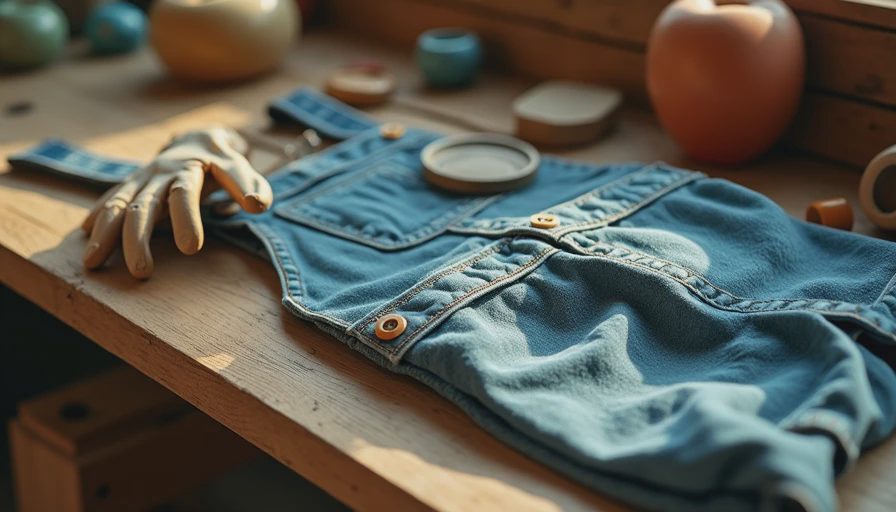
Fabric weight is not the whole story. A 12-ounce duck canvas can be tougher for daily work than a stiff 15-ounce fabric that restricts your stride. Look for tightly woven material, reinforced stress points, and bar-tacked pocket corners. The stitching around the side buttons, suspender attachments, and fly deserves special attention because those areas take repeated strain.
Carhartt bibs are common for a reason: their duck canvas options are widely available, sizing is familiar, and replacement pairs are easy to find. Dickies often offers a lower-cost route with lighter fabrics that suit shop work and occasional outdoor use. Round House bibs have a traditional American workwear feel, with roomier cuts that suit people who dislike a narrow waist. Key features matter more than the label. A hammer loop that tears off after two weeks is not a bargain at any price.
For dirty mechanical work, cotton duck handles abrasion well but absorbs water. Waxed or coated fabrics shed light moisture but can feel warmer and less flexible. None of these materials should be treated as wildland fire protective clothing. Ordinary bibs can ignite, melt synthetic components, or fail around radiant heat. On a fire line, wear the protective clothing required by your employer and use work bibs for tasks they were designed to handle.
Fit bib overalls for men around movement, not mirrors
Try bib overalls for men while wearing the layers you actually use. If you work outside, that may mean a thermal shirt and flannel in January. Stand, squat, climb a step, reach overhead, and sit in a truck. The straps should adjust without digging into your neck. The crotch should not pull when you lift a knee, and the bib should not press tightly against your chest when you bend forward.
Many workwear brands use generous cuts, but generous does not mean shapeless. Too much fabric catches on brush, machinery, and door handles. Too little fabric makes every movement a tug of war. If you are between sizes, measure your waist over your normal layers and compare that number with the manufacturer’s chart. Do not assume your jeans size transfers directly; bib sizing often includes extra room for layering.
Pay attention to inseam length. A cuff that drags through mud wears quickly, while a short inseam exposes boots and socks to dust. A small amount of stacking is fine, but fabric should not bunch under the heel. Adjustable shoulder straps help, though they cannot fix a bib that is fundamentally too short in the torso.

Pockets, hardware, and everyday usefulness
The front bib pocket should hold a phone, pencil, and small notebook without turning into a swinging toolbox. Zippers are useful for keeping keys secure, but a stiff zipper can become irritating when you open it dozens of times per shift. Button closures are simple and field-repairable. Metal hardware generally lasts longer than thin plastic, especially where straps connect to the bib.
Look for deep front pockets that do not spill when you sit. Rear pockets should be reinforced if you carry a wallet or measuring tools. A hammer loop is useful on a framing job, but it can snag in dense brush. Some bibs include a ruler pocket, tool slots, or double-layer knees. Those additions help only when they match your work. Extra pockets add weight and can collect grit, so do not pay for a pocket map you will never use.
Knee-pad openings deserve a close look. Some are positioned too high once you kneel, while others fill with dirt. If you spend the day on concrete, exterior knee-pad pockets can be valuable. If you spend the day walking trails, they may become another place for burrs and pine needles to gather.
How to break in and maintain a pair
New duck canvas can feel like cardboard. Wear it around the house, shop, or yard before taking it on a full shift. Repeated bending at the knees and hips softens the fabric faster than simply washing it. Do not soak workwear in fabric softener; it can reduce the fabric’s natural body and leave a residue that attracts grime.
Follow the care label, but cold or warm washing and line drying usually preserve fit better than high dryer heat. Inspect the strap attachments and pocket corners every few weeks. A loose stitch is a ten-minute repair at home and a torn pocket on a job site is an unnecessary nuisance. If the fabric is saturated with fuel, solvents, or other chemicals, follow the appropriate safety and cleaning guidance instead of throwing it straight into a household washer.
I keep one older pair for rough chores and one cleaner pair for town, repairs, and shop work. That division extends the useful life of both. The broken-in pair has softer knees and honest stains. The cleaner pair still looks respectable when I need to pick up parts without advertising every crawlspace I visited that week.
What I would buy for different work
For daily construction, ranch chores, or winter firewood, heavy cotton duck with double knees is the sensible starting point. Expect to pay roughly $60 to $120 for a durable pair from an established workwear brand. Spend more only when the fit, fabric, or repairable construction clearly improves your routine.
For welding or hot shop work, choose garments specifically rated for that environment rather than assuming thick cotton solves the problem. For gardening, trail maintenance, and light carpentry, a lighter denim or canvas pair is more comfortable and often costs $40 to $80. For occasional use, a basic Dickies-style pair can be enough; there is no medal for wearing heavyweight fabric while sweating through a Saturday project.
My preferred bib overalls for men are the pair that stays comfortable after eight hours, carries the tools I actually use, and does not need constant adjustment. The barrel does not lie, but neither does a long shift. If the straps slip, the knees bind, or the pocket stitching starts opening before the fabric breaks in, the garment has already failed its test.
Final field check
Before buying, check five things: fabric weight, torso length, knee mobility, pocket placement, and strap hardware. Wear the same boots and layers you use on the job. Sit in a vehicle, climb a ladder, and kneel on a hard surface. Those movements reveal more than a fitting-room mirror.
Bibs will not replace proper protective gear, and they are not automatically cooler, tougher, or better than regular work pants. They are a useful tool when you need coverage, stable storage, and freedom from a sagging waistband. Buy for the work in front of you, not the photograph on the product page. Worn in fire. Proven in dirt.