The best starting point for great shoes for standing on concrete all day is a stable, well-fitting pair with enough cushioning for your shift and the safety features your job requires. For a work boot, start with the Thorogood American Heritage line. For a protective-toe work shoe, look at KEEN Utility. If your workplace allows regular athletic footwear, Brooks Ghost is a walking and running shoe worth trying. None is a universal fit, and this is a buying guide, not a field review.
Concrete gives you little relief over a long shift. But the softest sole on the shelf is not automatically the answer. A shoe that feels like a pillow for five minutes can feel unstable when you turn, carry a load, or stand at a bench for hours. Fit, traction, and the right protection come first.
Great shoes for standing on concrete all day: where to start
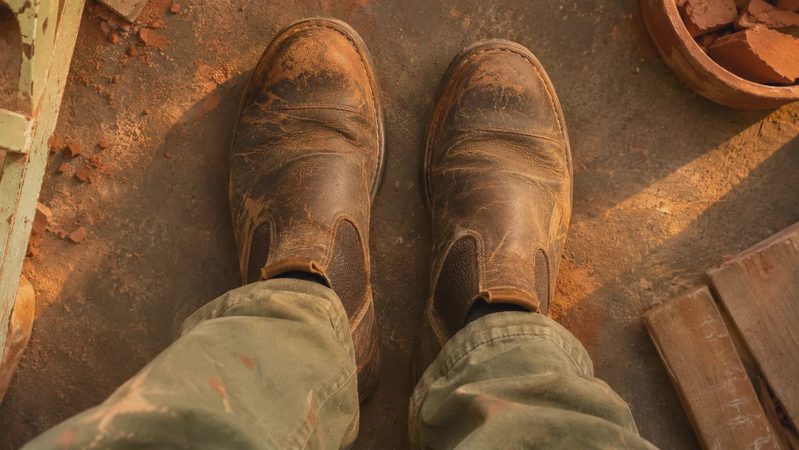
Thorogood American Heritage boots are a place to look if you want a traditional work boot rather than a sneaker. They suit workers who prefer ankle coverage and a substantial boot under work pants. The line includes different configurations, so check the exact model for its toe protection and outsole before ordering. A wedge sole can be comfortable on relatively clean, flat floors, but it may not be the best choice for loose soil or deep mud.
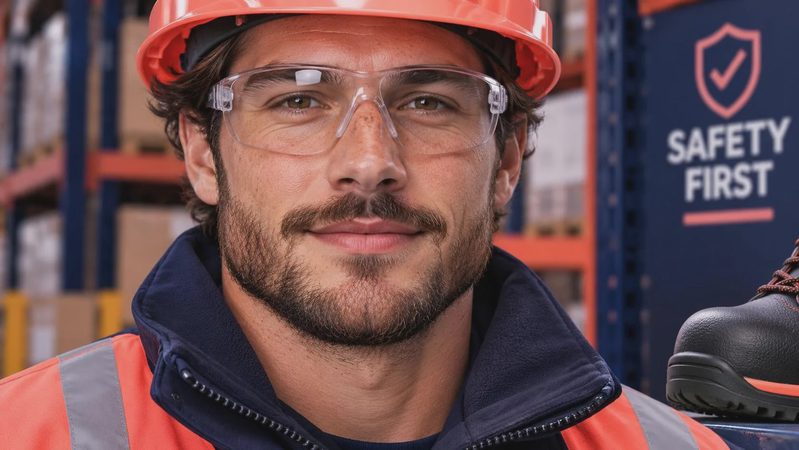
KEEN Utility offers work footwear for people who need a protective toe but want options beyond a traditional tall boot. It is a reasonable place to start for warehouse or shop work where a lower-cut shoe is permitted. Check the specific model's safety markings, width options, and traction claims; the name on the box alone does not tell you whether a shoe meets your site's rules.
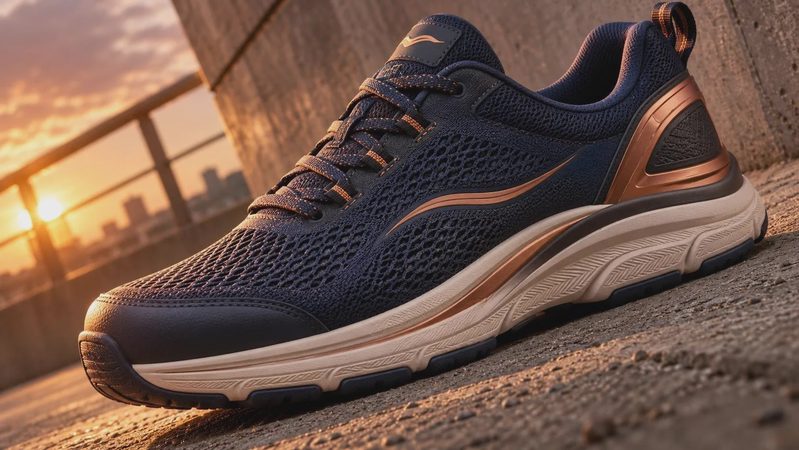
Brooks Ghost suits a different job: indoor standing or walking where a safety toe and work-rated outsole are not required. An athletic shoe can be lighter and more flexible than a boot, but that trade comes with less protection against falling objects and other shop hazards. Don't wear one onto a jobsite just because the cushioning feels good.

These are starting points to try on, not promises about your feet. Your employer's requirements can narrow the list before comfort enters the conversation. If a protective toe is mandatory, shop only among shoes that meet that requirement.
Match the sole to the floor
A broad, reasonably stable sole makes sense for long periods at a workstation. Look at the shoe from behind: the heel should sit square, not lean noticeably to one side when you stand in it. Walk around and turn as you would at work. If your ankle rolls around on top of a tall, squishy midsole, try something more stable.
Traction depends on the mess underfoot. Smooth concrete with water, oil, or fine dust can be slick, and a tread that looks aggressive is not automatically slip-resistant on every surface. Check the manufacturer's intended use and any slip-resistance information for the exact outsole. If your employer specifies approved footwear, use that list rather than guessing from a photo.
For someone who moves between a warehouse floor and a muddy yard, there is a compromise. A flatter sole can feel steady indoors and collect less debris, while deeper tread may help on loose ground. Choose for the surface and hazards you encounter most, and consider a second pair if neither job can be done safely in the same footwear.
Fit the foot you have at the end of a shift
Try shoes on later in the day, wearing the socks you normally use at work. Feet can swell with hours of standing, so a pair that feels snug first thing in the morning may be cramped by quitting time. Stand up when checking length: your toes need room to move without pressing into the front.
Pay attention to width across the ball of the foot and around a safety-toe cap. Leather may soften, but don't count on a rigid protective cap stretching to fix pressure on your toes. Your heel should feel secure without being clamped down, and the shoe shouldn't force you to curl your toes to keep it on.
Walk on a hard floor if the store has one. Stand still for several minutes, then take a few turns and try a shallow squat. A short store try-on won't reproduce a full shift, but it can expose rubbing, heel slip, or pressure points before you take the tags off. Ask about the return policy, especially whether indoor wear is allowed.
Insoles, socks, and when to replace a pair
An insole can fine-tune the fit, but it can't rescue a shoe that's too narrow or the wrong length. If you add an insert, remove the original footbed when appropriate and check that your toes still have enough vertical room. A thicker insert can make a protective-toe shoe painfully tight. Start with modest support rather than assuming the highest arch is best.
Socks matter too. Choose a pair that stays in place and handles sweat without bunching at the toe. Thick socks can add a little padding, but they also take up space. Bring the socks you actually wear when trying on boots, not the thin pair you happen to have on during a shopping trip.
Inspect the outsole for worn-smooth patches, separation, and uneven wear. Check the inside for a collapsed heel lining or a footbed that's breaking down. There is no honest replacement schedule that fits every worker: hours, body weight, floor conditions, and the shoe itself all change the picture. If traction or protective components are damaged, replace the footwear rather than waiting for discomfort to make the decision.
Take pressure off during the shift
Even a good shoe cannot turn concrete into soft ground. If your workstation allows it, an anti-fatigue mat can give you another surface to stand on; make sure its edges lie flat and don't create a trip hazard. Change position when you can, and use permitted breaks to sit or walk rather than holding the same stance for hours.
Persistent heel pain, numbness, or swelling deserves more attention than another online shoe order. Talk with a qualified healthcare professional, particularly if symptoms are worsening or aren't settling after work. The right pair should help you get through the shift, not persuade you to ignore a problem.