Fire boots are the most important piece of gear you'll ever own on a fire line. I spent 15 seasons on federal crews across Montana, Idaho, and Oregon, and I've seen cheap boots fail at the worst possible moment. This guide covers what I've learned from wearing fire boots through dozens of shifts, hundreds of miles, and a few too many close calls. If you're new to the job or just tired of buying boots that fall apart, start here.
What Makes a Boot a Fire Boot?
A real fire boot isn't just a work boot with a fire-resistant label. It has to meet NFPA 1977, the standard for wildland fire clothing. That means an 8-inch or taller leather upper, a lug sole that grips loose soil and rock, and construction that can handle heat, rough terrain, and the constant abuse of a fire line. The leather should be thick enough to resist embers, and the stitching needs to hold when you're carrying a saw or pumping water in steep country.
I've tested boots from Danner, Whites, Nicks, and Red Wing, plus a few cheap pairs from big-box stores. The cheap ones usually fail in the same place: the sole separates from the welt after a few weeks. That's the barrel-ready sign right there.
The Fire Line Scale: How I Rate Boots
I rate gear on a simple four-step scale: Acceptable, Serviceable, Battle-Tested, and Barrel-Ready. A fire boot that is Acceptable will get you through a season but leaves you with sore feet. Serviceable means I'd trust it on a regular shift. Battle-Tested is the highest rating — it survives a full season, a burn operation, and still looks like it has life left. Barrel-Ready means I lit it in the burn barrel because it failed too early. The barrel doesn't lie.
The Best Models I've Tested
Let me give you specific models that earned their keep. The Danner Wildland Fire Boot is a classic. It's an 8-inch all-leather boot with a Vibram sole and a price tag around $350. In my experience, they hold up well for two or three seasons if you take care of them. The Whites Original Smokejumper is the gold standard for a reason. It costs more — closer to $600 — but the hand-stitched construction means it can be rebuilt when the sole wears out. That's a fire boot you buy once and resole for a decade.
On the budget side, the Red Wing 2408 is a solid choice for line gear. It's a work boot that meets the spec, and you can usually find it for around $250. It won't last as long as the Whites, but these fire boots are a good first pair for a rookie.
How to Break In a New Pair
Breaking in fire boots is a rite of passage, and nobody warns you how much it hurts. The key is to do it gradually. Wear them around camp for a few hours at a time before you take them on the line. Use a leather conditioner to soften the upper, and heat-mold the insoles if your boots allow it. Don't try to break in new fire boots on a 14-day roll. You will get blisters, and blisters on the fire line can turn into a medical issue fast.
My rule is twenty trail miles before the first shift. It sounds like a lot, but it saves you weeks of foot pain. Wet the boots, wear them until they dry, and repeat. This method works for any leather fire boot.
When to Replace Your Boots
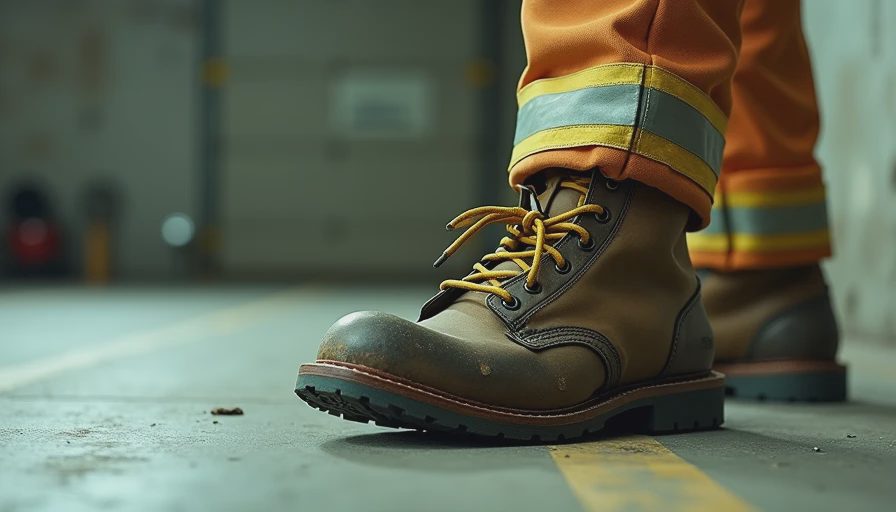
A fire boot has a lifespan, and it's shorter than most guys want to admit. Check the sole for deep cracks, feel for separation between the upper and the welt, and inspect the stitching around the toe. If you notice the leather is dry and cracked, or the heel is worn unevenly, it's time to think about replacement. On structural fires, a sole that peels off can flip you on your back. On the wildland side, losing a sole in the middle of a long hike is a serious safety hazard.
The average crew member gets one to two years out of good fire boots under heavy use. Rebuilding a boot like the Whites is smart if the upper is still solid. For cheaper boots, it's usually not worth the cost.
The Burn Barrel Test
When a boot fails, I don't just throw it in the trash. I put it in the burn barrel to see what happens. A good leather boot should catch fire slowly, not melt or bubble like a synthetic boot. The barrel separates the honest gear from the marketing copy. Every pair I review goes through the same treatment: hiked, worked, and then tested in the barrel. If the seams split before the leather catches, you know exactly what you're dealing with.
Final Verdict
Fire boots aren't the place to save money. A cheap pair will cost you more in foot injuries, blisters, and early replacement. The right boot is the one that fits your foot, your budget, and your duty. If you're asking me, the Whites are the best investment if you plan on doing this for years. The Danner is a close second, and the Red Wing is the best value for a rookie.
Worn in fire. Proven in dirt.