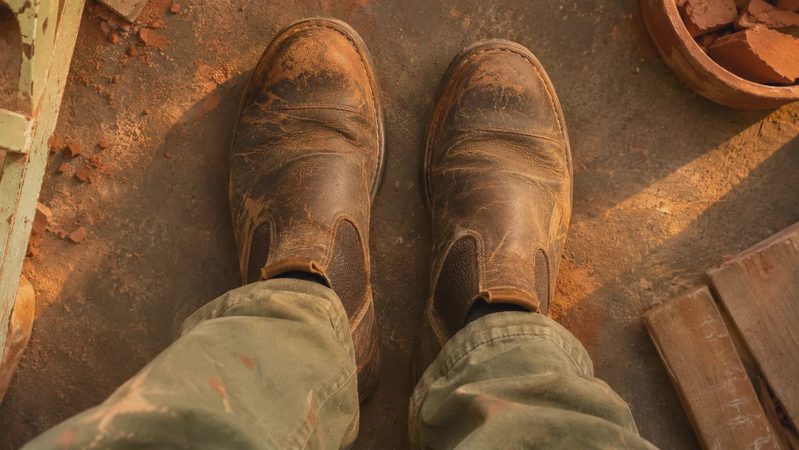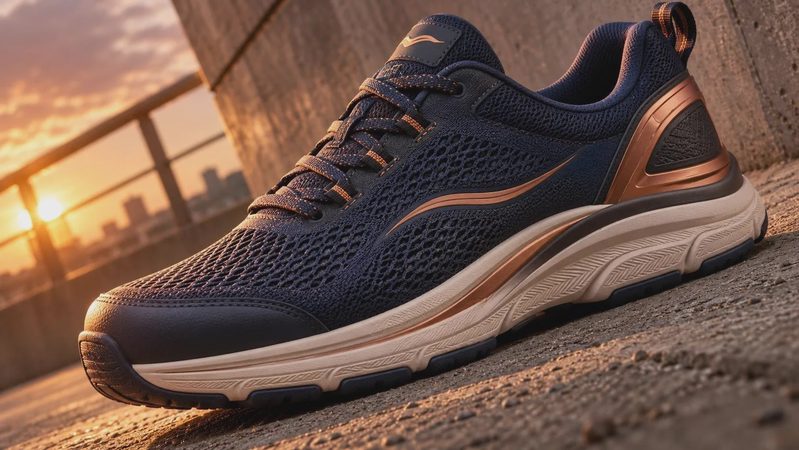
At 0530, when the thermometer is below freezing and the truck is loaded for a twelve-hour shift, the choice between composite safety boots vs steel toe is not a fashion decision. It affects how your feet handle cold, ladders, concrete, mud, and the steady punishment of a workday. I have worn both types on trail crews, around engines, and through wet Montana shoulder seasons. The short version is simple: steel gives you a familiar, compact shield, while composite saves weight and handles cold better. The right answer depends on what is trying to hurt your feet.
What the toe materials actually do
Steel toe caps are made from formed steel and have been used in work boots for generations. A properly rated steel toe can meet the same impact and compression requirements as a composite cap. Composite caps use nonmetal materials such as carbon fiber, fiberglass, or reinforced plastic. The word composite does not automatically mean tougher or weaker. The boot's certification, construction, fit, and quality matter more than the marketing label.
Look for an ASTM F2413 marking when your job requires protective footwear. That standard covers impact and compression performance, but it does not mean every safety boot protects against punctures, electrical hazards, chemicals, chainsaws, or extreme heat. Those protections require separate ratings or construction. A safety toe is one part of a work boot, not a complete safety plan.
The shape also matters. Steel usually allows manufacturers to build a thinner toe box, while some composite designs need more room to provide the required coverage. A boot that pinches your little toe will cause more trouble than a heavier boot that fits correctly. Try boots on late in the day, with the socks you actually wear, because feet swell during long shifts.
Weight, cold, and long shifts
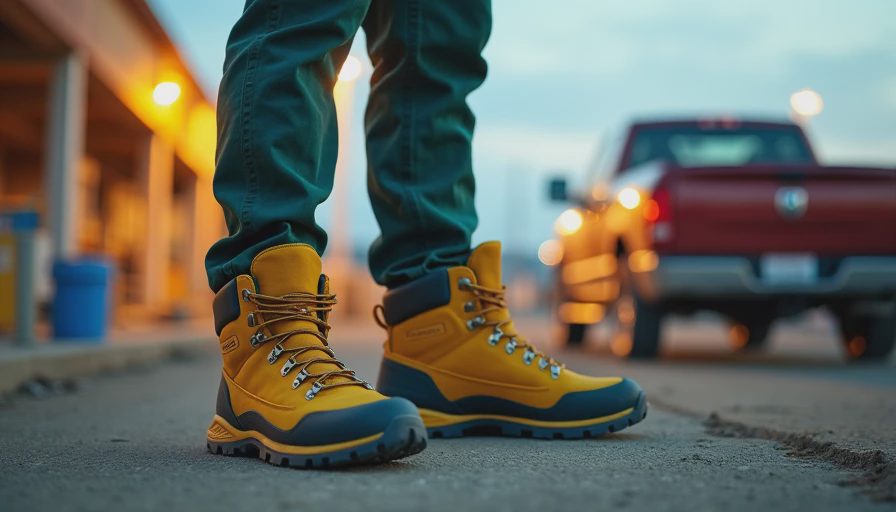
This is where composite safety boots vs steel toe becomes a real field decision. Steel conducts temperature efficiently. In January, that metal cap can feel like a cold coin pressed against your toes, especially when you are standing on frozen ground or riding in an open-sided machine. Composite materials conduct less heat, so they are generally more comfortable in cold conditions. They are not warm by themselves, but they do not pull heat away as quickly.
Composite boots are also often lighter. The difference can be several ounces per boot, depending on the outsole, waterproof membrane, shank, and overall design. That does not sound like much at a store counter. After ten hours climbing ladders or walking a utility right-of-way, it adds up. Less weight can reduce fatigue, but only if the boot still has a supportive midsole and a stable heel.
Steel has one advantage that gets overlooked: a compact cap can leave more usable room inside the boot. Some composite models feel wide and tall around the toes. That extra volume is helpful for thick socks, but it can also let your foot slide if the lacing system is weak. A loose heel creates hot spots, blisters, and poor footing on uneven ground.
Protection on the job site
When comparing composite safety boots vs steel toe, start with the actual hazard list. Steel is a sensible choice for warehouse work, construction, equipment repair, and general industrial jobs where heavy objects could land on the toe. It has a long track record, and replacement options are easy to find from brands such as Thorogood, Red Wing, Wolverine, and Caterpillar.
Composite is useful around metal detectors, electrical work, airports, and cold storage. Because the toe cap is nonmetallic, it will not trigger a standard metal detector in the same way steel can. That does not make composite electrically safe by default. Electrical hazard protection depends on the boot's tested construction, dry conditions, and the rules of the job. A composite cap also does not protect against a nail through the sole. For that, look for a puncture-resistant plate or midsole.
Neither option gives you a free pass around machinery. A boot rated for impact is not a substitute for keeping your feet clear of pinch points. If a loader bucket or steel beam can crush the boot, the boot is only one layer of protection. The better purchase is the one that meets your employer's requirements and stays comfortable enough that you will wear it every shift.
Durability, fit, and common failure points
Steel toe boots often age predictably. The cap itself usually keeps its shape, while the leather, stitching, lining, and outsole fail first. Composite caps can also last for years, but severe cold, repeated flexing, and crushing abuse expose differences between models. A cheap boot may have a good-looking safety label and still use a flimsy upper that splits over the toe crease.
Pay attention to the welt or direct-attach construction, the heel counter, and the outsole compound. A Vibram outsole can offer dependable traction, but the specific rubber formula and tread pattern matter more than the logo. Waterproof boots can keep your feet dry in rain, yet membranes do not stop sweat during a hot summer shift. In wet country, prioritize sealed seams and a gusseted tongue, then accept that no waterproof boot stays perfect forever.
Fit is the deciding factor in most real-world failures. Your heel should stay planted when you walk downhill. Your toes should not touch the front when you descend stairs. The protective cap should not press across the widest part of your foot. If you need to loosen the laces to survive an hour, the boot is wrong for you. No material argument fixes a bad fit.
Which boot should you buy?
Choose steel when you want a proven, compact toe cap for heavy general work, do not pass through metal detectors, and spend most of your time in moderate temperatures. A quality pair commonly costs about $120 to $250, with replaceable insoles and resolable leather uppers available at the higher end. That longer service life can make a well-built steel boot cheaper than replacing two bargain pairs.
Choose composite when cold exposure, long walking distances, airport screening, or reduced weight matters more than the smallest possible toe profile. Composite safety boots vs steel toe models often cost within the same broad range, although premium waterproof composite boots can reach $250 to $350. Do not pay extra simply for the word composite. Pay for a better outsole, stronger upper, useful insulation, and a fit you can tolerate for twelve hours.
For wildland fire, neither ordinary safety-toe category automatically equals a purpose-built logger or wildland boot. Fireline footwear needs appropriate leather, construction, sole, and agency approval. Many safety boots use adhesives, membranes, or synthetic components that are not intended for direct flame or severe radiant heat. The barrel does not lie, and neither does a melted boot.
A five-minute buying check
Before ordering, write down the hazards from your job: falling objects, nails, electricity, oil, cold, wet ground, ladders, or long pavement walks. Then confirm the boot has the specific ratings you need rather than assuming the toe label covers everything. Compare the boot's weight in your size, not the advertised weight of a smaller sample. Check whether the outsole is slip-resistant for the surfaces you actually cross.
At the store, wear your work socks and stand for ten minutes. Walk stairs if the store allows it. Bend your knees, climb a curb, and check whether the cap presses your toes. Remove the insole if needed to inspect its shape. Online, order from a seller with straightforward returns and do not break in a painful boot by forcing yourself through a week of blisters.
The practical verdict on composite safety boots vs steel toe is not that one wins everywhere. Composite earns the edge for cold, weight, and metal-free workplaces. Steel earns it for familiar protection, compact fit, and hard general abuse. Buy the boot that matches the hazard, then judge it after a full shift, not after five minutes beside the register.
Worn in fire. Proven in dirt.