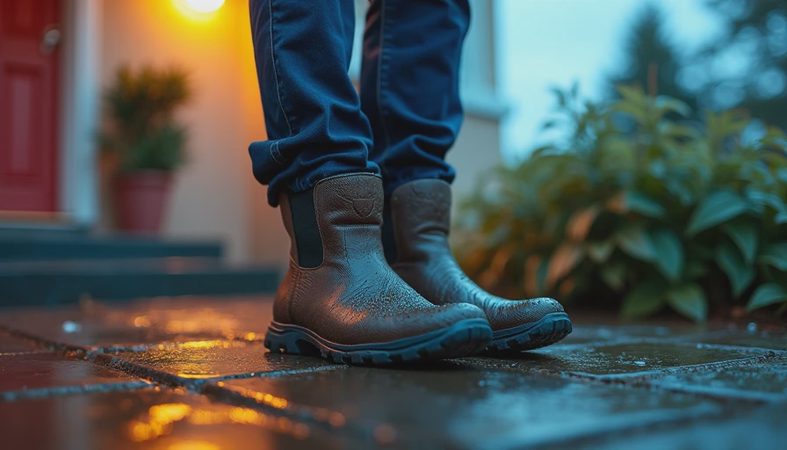
September 2018, Sawtooth Complex, hour eleven: my left boot had a sole separating from the welt, and every downhill step drove a sharp edge into my heel. That was the day I stopped believing that a boot is good just because it looks tough. Barefoot steel toe boots make a serious promise: the protection of a safety toe with the ground feel and roomy shape of minimalist footwear. That combination can work, but only when the construction matches the job.
I have spent enough time on fire roads, rocky trails, equipment yards, and muddy access routes to know where marketing ends. A wide toe box is useful. A thin, flexible sole is useful. Neither one excuses a weak upper, poor puncture protection, or a toe cap that shifts when you kick a shovel. Here is what I would inspect before putting money down.
What barefoot steel toe boots are supposed to do
Barefoot steel toe boots use a zero-drop platform, meaning the heel and forefoot sit at roughly the same height. Most also have a foot-shaped toe box rather than the tapered front found on traditional work boots. The goal is to let your toes spread, keep your ankle from sitting on a raised heel, and preserve more contact with the ground.
That design can feel excellent during long periods of walking. On a trail inspection, I would rather have a stable, flat platform than a tall heel that catches on roots. A broad forefoot also reduces the cramped, numb feeling that shows up after ten hours in stiff leather. The steel cap adds impact and compression protection, but it does not turn a flexible shoe into a logger boot.
The important distinction is protection class. Look for a clearly stated ASTM F2413 rating when your employer requires protective footwear. A steel toe protects against specific impact and compression hazards; it does not automatically provide electrical hazard protection, puncture resistance, slip resistance, or heat protection. Those features need their own markings and construction.
What I inspect before trusting the pair
With barefoot steel toe boots, I start at the sole rather than the toe. A sole that bends under the ball of the foot can be comfortable, but it still needs enough rubber compound and tread depth for gravel, wet lumber, and loose soil. On a flat concrete floor, the boot should sit evenly without rocking. If the steel cap makes the front feel like a hard box, the fit is wrong even if the length seems right.
Next comes the upper. Full-grain leather usually handles abrasion better than thin synthetic mesh, but leather can be hot and slow to dry. Synthetic uppers often breathe better and weigh less, while exposed mesh can collect dust and fail around sharp brush. I look for reinforced stitching at the toe flex point, a gusseted tongue, and a heel counter that keeps the foot from sliding when climbing.
The insole matters more than most product pages admit. A removable insole lets you replace a worn footbed or add a prescribed insert. It also lets you test the boot without the factory padding. Stand in each boot for five minutes. If your little toe touches the cap, do not expect a break-in period to solve it. Steel does not stretch.
Breaking in barefoot steel toe boots without wrecking your feet
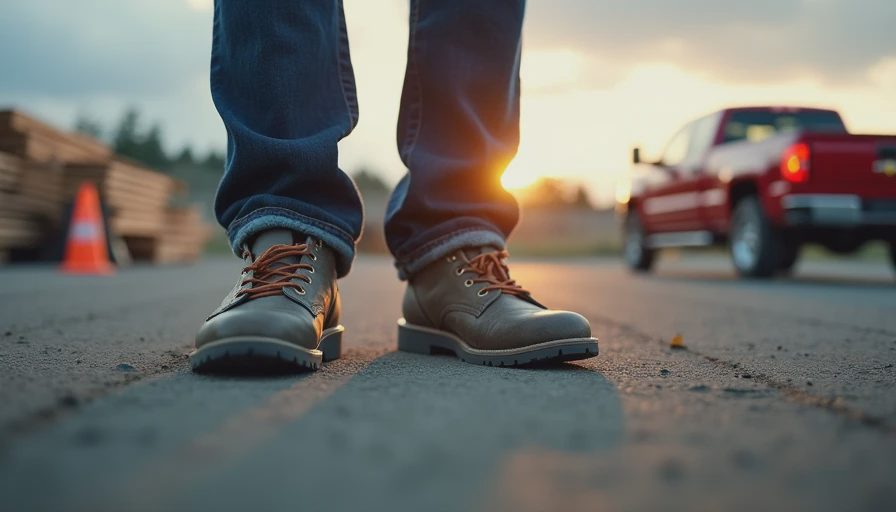
A minimalist work boot should not be broken in during a twelve-hour shift. Start with thirty to sixty minutes on level ground, then inspect your heels, arch, and the sides of your forefeet. Repeat for several days before carrying tools or walking uneven terrain. Your feet and lower legs need time to adapt to a zero-drop platform, especially if you normally wear a boot with a one-inch heel.
For the first week, alternate with your established work boots. That is not weakness; it is good field practice. Calf soreness and Achilles tightness can develop when the heel drops suddenly. If pain persists rather than improving, stop and reassess the fit. A boot that gives you blisters at home will give you worse blisters three miles from the truck.
Use socks that match the boot's interior. Thin merino socks can manage moisture in cool weather, while a synthetic blend dries faster after a creek crossing. Avoid stuffing a thick sock into a snug steel toe. That steals the room you bought the wide toe box to gain. Lace the lower eyelets firmly and leave enough space across the forefoot for natural spread.
Where the minimalist design earns its keep
Barefoot steel toe boots make the most sense for warehouse work, light construction, shop tasks, landscaping, trail maintenance, and jobs that involve a lot of walking on predictable surfaces. The flat sole can improve balance when moving between a truck, ladder, and workbench. The wider front also helps when your feet swell during a long shift.
They are less convincing for heavy chainsaw work, steep logging terrain, foundry floors, deep snow, and fire assignments with demanding heat or puncture hazards. Wildland crews should pay close attention to agency footwear requirements. A flexible minimalist sole may not offer the stiffness, heat resistance, or lug depth needed around slash, hot ground, and sharp rock.
This is where barefoot steel toe boots often get oversold. Natural movement is not the same thing as total protection. If your work involves dropped steel, rebar, nails, energized equipment, or unstable slopes, choose the required safety features first and the minimalist feel second.
Comparing materials, price, and realistic service life
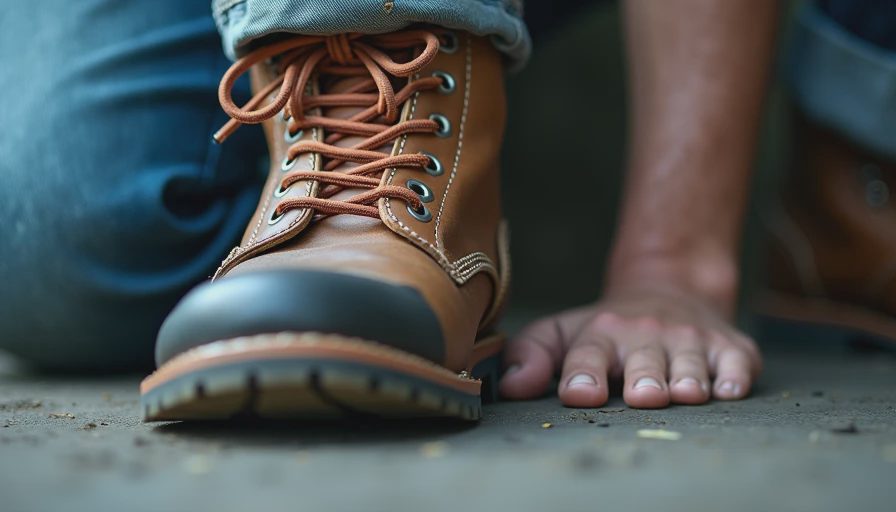
Entry-level pairs around $80 to $140 can be useful for shop work and occasional projects, but inspect the glue lines and cap shape closely. The $140 to $220 range usually brings better stitching, denser rubber, and more consistent sizing. Premium models above $220 need to show a real advantage, such as replaceable insoles, tougher leather, a tested waterproof membrane, or a sole that can be repaired.
Do not confuse waterproof with comfortable in every season. A membrane can keep out rain while trapping sweat during a July shift. For hot work, a quick-drying upper may be the better choice. For cold mud and repeated wet grass, waterproof construction earns its place. The right answer depends on how long the boot stays wet and whether you have a chance to dry it overnight.
A realistic service life is measured in use, not calendar years. A weekend wearer might get several seasons. A carpenter walking concrete every day can wear through the outsole in under a year. Keep the pair clean, dry them away from a heater, and replace them when tread, stitching, or the safety toe area shows structural damage.
My buying checklist and field verdict
Before ordering, confirm the safety rating, toe material, sole slip rating, electrical hazard claim if needed, and return policy. Measure both feet late in the day, when they are largest. Read customer comments for actual sizing complaints instead of general praise. Search for photos of the sole after months of use. A clean studio picture tells you almost nothing about durability.
When the fit is right, barefoot steel toe boots can be a practical answer for workers who want more room and less heel lift without giving up basic toe protection. They are not universal replacements for every serious work boot. They are specialized tools, and specialized tools reward honest matching.
My Fire Line Scale rating is Serviceable for light and moderate duty, with the possibility of Battle-Tested in a model that combines a roomy last, durable upper, and properly rated outsole. I would not take an unverified pair into a fire assignment or a high-risk logging cut. The barrel does not lie, and neither does a week of wet gravel.
Start with the hazard list from your job, then choose the lightest boot that still meets it. That is how barefoot steel toe boots earn a place by the door instead of becoming another expensive mistake. Worn in fire. Proven in dirt.