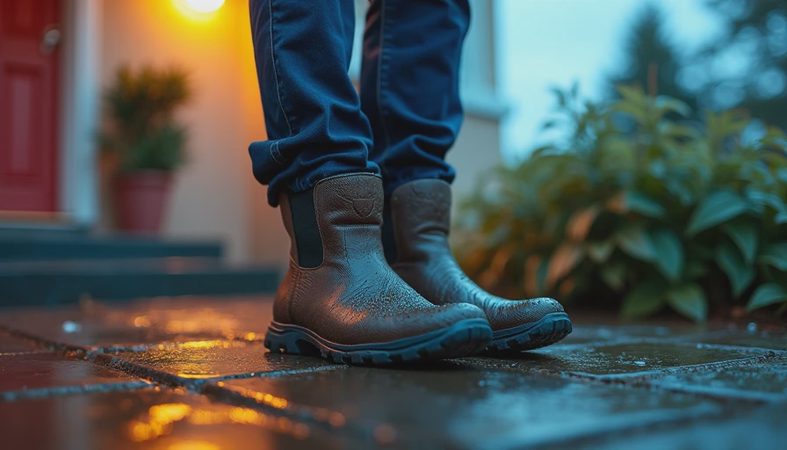
September 2018, Sawtooth Complex, hour 11. My boots were wet through, my socks had started rubbing raw spots, and every step through the ash dragged grit under the tongue. That shift taught me what 10 inch work boots are supposed to do: keep debris out, hold the ankle steady, and stay comfortable after the first eight hours. Height alone does not make a boot good. Leather, stitching, sole design, fit, and the work in front of you decide that.
A tall boot is useful for construction, line work, ranch chores, trail maintenance, logging, and wet ground. It gives more coverage than a six- or eight-inch boot and offers a larger barrier against brush, mud, dust, and shallow water. It also adds weight and takes longer to break in. Buy the height because your work demands it, not because a product photo makes the boot look tough.
Why choose a 10-inch boot?
The extra shaft protects the lower leg and ankle better when you are walking through slash, tall grass, loose rock, or packed snow. It also gives laces more room to distribute pressure. For a surveyor crossing uneven ground or a ranch hand stepping out of a truck all day, that additional support can reduce the feeling that the ankle is working overtime.
The tradeoff is heat. Ten inches of leather around your leg can feel heavy in August, especially with thick socks. A waterproof membrane adds another layer of warmth. On a muddy winter job, that protection is useful. Inside a hot warehouse or on asphalt in July, a shorter uninsulated boot may be the smarter tool.
Do not confuse tall leather with certified protection. If you work around electrical hazards, look for an ASTM-rated electrical-hazard sole. If falling objects are a concern, choose an ASTM-rated composite or steel toe. Wildland firefighters also need boots that meet their agency requirements; ordinary work footwear is not automatically suitable for fire assignments.
What to inspect before buying
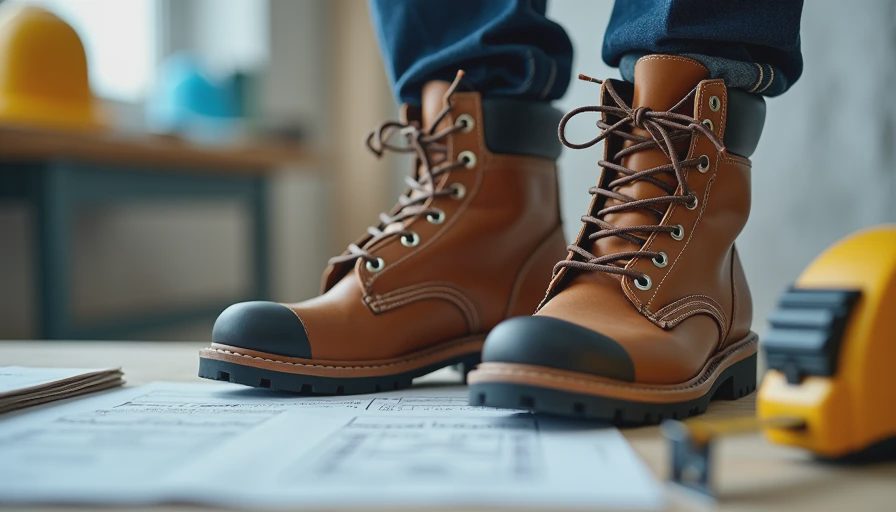
Start with the upper. Full-grain leather generally handles abrasion better than thin split leather, but it needs conditioning and time to soften. Look closely at the pull tabs, tongue gussets, eyelets, and stitching around the toe. Those are common failure points. A tall boot that uses a gusseted tongue keeps more grit and water out than an open tongue with a wide gap.
Then look underneath. A Vibram lug sole, such as a Fire & Ice or similar compound, can provide dependable traction in mixed terrain, while a wedge sole from brands such as Thorogood or Danner is often more comfortable on concrete. Deep logger lugs bite into soil but can feel clumsy on smooth floors and may hold mud. A flat wedge wears quickly if you spend every day on rock or gravel.
For toe protection, steel is familiar and durable, while composite toes weigh less and do not conduct cold as readily. Neither choice fixes a poor fit. A safety toe should not press against your toes when you kneel, descend stairs, or walk downhill. Leave enough room to wiggle, but do not let your heel lift more than a small amount after the boot is laced.
How 10 inch work boots should fit
Try them on late in the day, when your feet have expanded from walking. Wear the socks you use on shift. Put both boots on, lace them firmly, and walk stairs if the store allows it. Your heel should settle into the heel pocket without sliding. The ball of your foot should line up with the widest part of the boot. If the arch feels misplaced in the first ten minutes, it will not become correct after break-in.
Expect a break-in period with thick leather. Start with short walks, shop work, or two-hour shifts. Do not take stiff boots straight onto a ten-mile trail and hope your feet will negotiate. Blisters are not a badge of toughness; they are a sign that the boot and foot are fighting each other. A quality insole can improve underfoot comfort, but it cannot make a narrow toe box wider.
Some 10 inch work boots fit differently even within the same brand. Chippewa logger styles often have a pronounced heel and firm arch, while a Carolina logger may feel roomier through the forefoot. Danner models can vary by last and intended use. Measure both feet, compare the manufacturer’s chart, and read the return policy before treating an online order as final.
Match the boot to the job
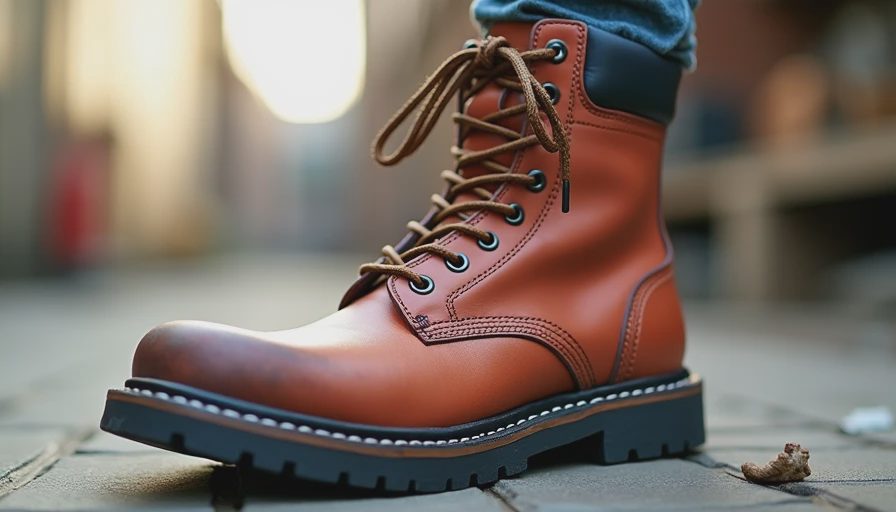
For concrete and shop floors, prioritize cushioning, a stable heel, and a sole that will not leave heavy tread marks. A wedge sole is often a sensible starting point, particularly for carpenters and mechanics who do not need aggressive mud traction. For utility work, a defined heel and firm shank can help on ladders, while a safety toe and electrical-hazard rating may matter more than waterproofing.
For trails, ranch work, and wet ground, choose a lugged outsole, sealed stitching, and a tongue that reaches high enough to keep debris out. Waterproof 10 inch work boots can be valuable during snowmelt or repeated creek crossings, but no membrane replaces drying time. Once the lining is soaked, the boot stays wet longer than an unlined leather model.
Logger boots deserve extra thought. Their raised heel and stiff shank suit steep dirt and irregular ground, but that shape is not ideal for every ladder, polished floor, or long drive. If your day switches between mud, steel steps, and a truck cab, choose a moderate heel rather than the tallest profile on the shelf.
Care that adds another season
Let wet boots dry at room temperature. Remove the insoles and loosen the laces so air can reach the tongue. Do not set leather directly against a wood stove, heater, or exhaust manifold. Fast heat can shrink leather, harden the welt, and crack the area that bends behind your toes.
Brush off grit after every dirty shift. Wipe salt and mud with a damp cloth, then apply a conditioner suited to the leather. Heavy oil can soften leather too much and reduce its ability to hold shape, so use a moderate amount rather than soaking the boot. Inspect the welt, heel, and outsole before a long assignment. A local cobbler can often replace a worn sole for roughly $100 to $200, depending on construction and materials, which is cheaper than replacing a broken-in pair.
Rotate pairs when the job allows. One pair can dry while the other works. Replace laces before they fail, and do not ignore a loose shank, separated sole, or crushed safety toe. Those are equipment problems, not cosmetic defects.
My buying recommendation
The best 10 inch work boots are the ones matched to your surface, weather, and protection needs. Spend first on a sound fit and durable construction. A $180 pair that you can wear for two seasons is a better purchase than a $300 pair that gives you hot spots during the first week. Brands including Danner, Carolina, Chippewa, Thorogood, and Red Wing offer different lasts and construction choices, but the label cannot choose your correct size or sole.
Before ordering, write down the hazards you actually face: water, sharp debris, ladders, electrical exposure, concrete, cold, or long miles. Select the toe protection and rating required for that list. Then break the boots in gradually, keep them clean, and inspect them like any other tool. On the Fire Line Scale, a well-fitted pair earns Serviceable on day one and can reach Battle-Tested after a season of honest use. The barrel does not lie, and neither do sore feet.
Worn in fire. Proven in dirt.