At 0530, a cold worksite does not care what the product page promised. I learned that on a November line assignment outside Salmon, Idaho, when the temperature stayed below 20 degrees and every gust found the gap between my jacket and pants. The right insulated coveralls for men solve that problem by giving you one connected layer from chest to ankle. The wrong pair turns a long shift into a wrestling match with frozen zippers and soaked cuffs.
This guide is about what matters after several hours in wind, snow, sawdust, and diesel grime: insulation that stays lofted, fabric that does not tear on every nail, and a cut that lets you climb into a truck without splitting the seat. You do not need the most expensive option. You need the right tool for your work.
What to look for before buying
Start with the shell. Cotton duck, often in the 10- to 12-ounce range, handles abrasion well and has the familiar stiff feel most tradesmen expect from workwear. A cotton-polyester blend usually dries faster and can be lighter, but its heat behavior and job-site rating deserve a close look. For general outdoor work, a tightly woven shell with reinforced knees and a substantial seat is a better investment than a long list of decorative pockets.
Insulation weight is the next decision. Light insulation works for active tasks around 35 to 50 degrees, especially when you wear a merino or synthetic base layer underneath. Medium insulation is more useful for equipment operators, early-morning construction, and standing around a cold truck. Heavy insulation is warmest, but it can become too much once you start shoveling, climbing, or running a saw. A garment that makes you sweat at 0700 can leave you chilled by lunch because damp layers conduct heat away from your body.
Check the lining with your hands. Quilted polyester slides over a sweatshirt and is easy to pull on. Fleece feels warmer at first and is comfortable against a base layer, but it can catch on rough clothing. Insulated bibs leave your arms free, while full coveralls block more wind around the waist and lower back. That extra coverage matters when you kneel, crawl, or reach overhead.
Fit and movement matter more than the size tag
Insulated coveralls for men should fit over your normal work layers without hanging like a parachute. Try them on with the sweatshirt, tool belt, or heated vest you actually use. Raise both arms, squat, sit in a vehicle, and reach behind your shoulder. If the crotch pulls tight during a squat, go up a size or find a pattern with a gusset. If the torso balloons while the legs fit, adjustable shoulder straps or a two-way zipper can save the garment.
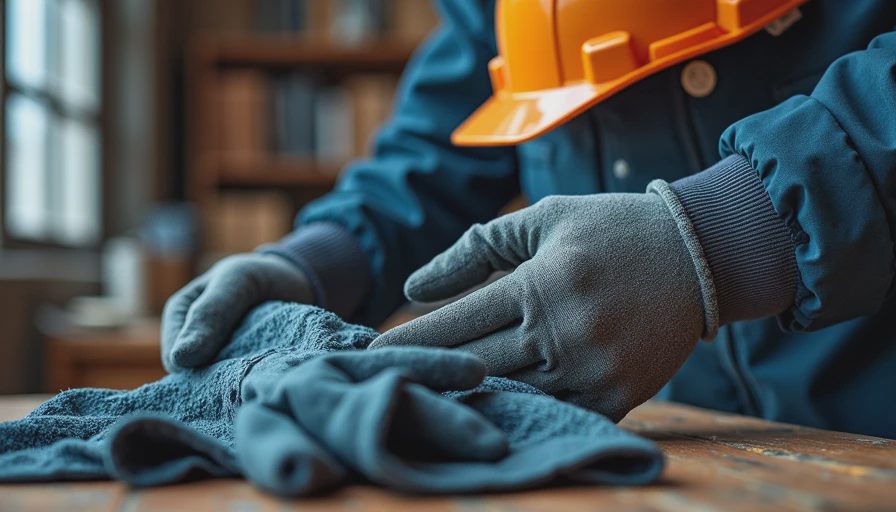
Pay attention to sleeve and leg openings. Elastic cuffs help retain heat, while snap-adjustable cuffs let you fit gloves and boots more cleanly. Zippers that run from the ankle to the hip are valuable when you need to pull the coveralls over work boots. A two-way front zipper makes bathroom breaks less aggravating and lets you vent from the bottom while seated in a cab.
A good fit should leave room for movement but not create loose fabric around machinery. Drawstrings near moving equipment are a poor choice. Covered snaps, flat seams, and secure zipper pulls are safer and less likely to snag on brush, rebar, or a truck door. For taller workers, look for long or tall sizing rather than simply buying a larger waist. Extra width does not create extra inseam.
Comparing common workwear options
Carhartt insulated coveralls are widely available and usually offer durable duck shells, practical pocket layouts, and several insulation weights. They are a sensible starting point for construction, farm work, and winter maintenance, though the heavier models can feel bulky during high-output labor. Walls and Berne often provide similar traditional workwear designs at prices that can land below premium labels, making them worth comparing when you need a spare pair for a crew truck.
Dickies tends to offer straightforward cuts and broad availability. Duluth Trading models often emphasize mobility features, larger pockets, and comfort details, but the price can rise quickly. Amazon house brands can be inexpensive, yet the quality of zippers, stitching, and insulation varies sharply from one listing to the next. Read the fiber content and return policy instead of trusting a photograph of a man standing beside a snowbank.
The best insulated coveralls for men depend on the shift. A ranch hand repairing fence in sustained wind needs more weather resistance than a mechanic working inside a closed shop. A lineman needs access to harnesses and tools. A snow-removal operator needs seat comfort and easy ventilation. Write down your usual temperature, activity level, and boot type before comparing brands. That short list prevents you from paying for warmth you cannot use.
Features worth paying for
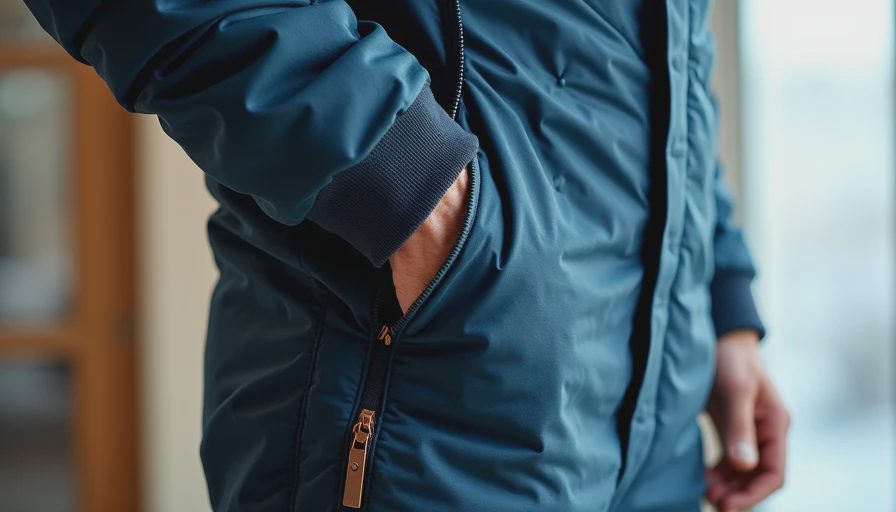
Spend money on construction, not branding. Bar-tacked pocket corners, double-layer knees, reinforced kick panels, and metal or heavy-duty molded zippers earn their keep. A high back or extended seat helps when you bend repeatedly. Hand-warmer pockets are useful when you are outside between tasks, but they should not replace deep cargo pockets that hold a phone, tape, pencils, or a small flashlight.
Water resistance is helpful, but insulated coveralls are not automatically waterproof. A duck shell can shed light snow and drizzle while soaking through during hours of wet weather. If you work in steady rain, use a dedicated rain shell over the coveralls or choose a garment designed with a waterproof membrane. Do not confuse water-repellent fabric with protection from immersion.
Fire crews need an additional warning. Standard insulated workwear is not automatically flame-resistant. Cotton duck may resist a brief spark better than some synthetic fabrics, but that does not make it protective clothing for wildland fire or flash hazards. Follow your employer's PPE requirements and buy certified flame-resistant gear when the job calls for it. Never assume a brand's rugged appearance equals an FR rating.
How to make a pair last several seasons
Before the first shift, open every zipper and inspect the stitching around the shoulders, seat, knees, and pocket corners. A loose thread is easy to repair at home and annoying to discover in a snowbank. Wash according to the label, close the zippers, and avoid fabric softener if the manufacturer warns that it can reduce water repellency. High heat can damage coatings, elastic, and insulation.
Dry the garment fully before storing it. A damp pair left in a truck cab can develop an odor and lose loft. Hang it from the shoulders instead of crushing it under tools. When a knee wears thin, patch it early with a sewn repair rather than waiting for the hole to spread. Keep a second pair if your work is wet; alternating garments gives insulation time to dry and reduces the temptation to wear a damp shell into another shift.
For most buyers, the smart purchase is a medium-weight pair with room for a base layer, articulated knees, full-length leg zippers, and reinforced high-wear panels. That combination handles more jobs than an ultra-heavy model and remains comfortable when the day warms up. Good insulated coveralls for men should disappear into the work instead of constantly reminding you they are there.
Final field check
Before ordering, measure your chest, waist, inseam, and sleeve length, then compare those numbers with the brand's chart. Confirm whether the listed size assumes a base layer. Look for real photos of cuffs, knees, zippers, and pocket openings. If the seller will not show those areas, treat that silence as information.
Insulated coveralls for men earn their place when they keep wind out, preserve movement, and survive contact with the job. They do not need to look heroic. They need to let you finish the fence line, service the plow, or walk the timber without shivering through the last two hours. Buy for your actual shift, leave room for the layer underneath, and spend extra on seams and hardware before color or logo. The barrel does not lie, and neither does a cold workday.
Worn in fire. Proven in dirt.