January on the Bitterroot foothills starts before daylight. At 12 degrees, the truck windows are iced over, the chainsaw bar oil is sluggish, and standing still is when the cold finds you. That is where insulated bib overalls earn their keep. The right pair blocks wind across your lower back, holds heat around your core, and lets you work without dragging a bulky coat through every snag.
I have worn bibs for trail work, snow removal, fence repair, and long days around a cold camp. I judge them by simple questions: Do they stay warm after eight hours? Can I kneel without fighting the straps? Do the knees, zippers, and seat survive real abuse? A warm garment that splits at the first barbed-wire fence is not winter gear. It is an expensive rag.
What Makes a Good Pair Warm
Insulation is only one part of the system. Most insulated bib overalls use synthetic polyester fill because it dries faster than down, costs less, and keeps providing some warmth after damp snow or sweat gets inside. Thicker fill helps when you are running a skid steer or checking livestock in a north wind, while lighter insulation works better for active jobs such as cutting firewood.
Look at the fabric around the insulation. A 10- to 12-ounce cotton duck shell resists abrasion and feels substantial, but cotton absorbs water and takes time to dry. A nylon or polyester shell sheds wet snow better and usually weighs less. Some manufacturers add a water-resistant finish, but that is not the same as waterproof construction. Sealed seams and a waterproof membrane matter if you spend hours in wet snow.
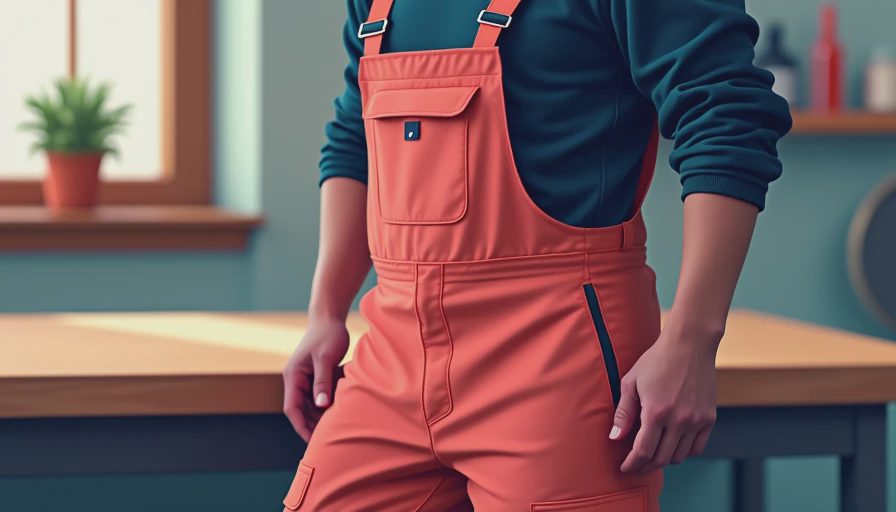
The best insulated bib overalls also protect the places that take punishment. Double-layer knees, reinforced seat panels, metal hardware, and heavy-duty zippers are worth more than decorative pockets. I want a zipper that can be operated with gloves and a chest pocket large enough for a phone, folded map, or small tape measure.
Fit Matters More Than the Size Chart
A bib should fit over your base layer and work shirt without hanging like a feed sack. Start with the waist and inseam, then check the shoulder straps. If the straps are carrying the entire garment, the waist is too loose. If they pull into your neck when you squat, the torso is too short.
Try the full movement test before removing tags. Raise both arms, kneel, climb a step, sit in a truck seat, and reach across your body. The knees should land over your knees when crouched. The seat should not pull tight. If the bibs restrict your stride in the store, they will be worse after you add thermal underwear and a sweatshirt.
For most outdoor work, I prefer a relaxed fit with room for a merino or synthetic base layer underneath. Avoid sizing up two full sizes. Extra fabric catches on brush, snags on equipment, and creates cold pockets around the waist. Adjustable suspenders help, but they cannot correct a bib that is too long in the rise.
Insulated bib overalls are especially useful when your work alternates between motion and waiting. A lineman climbing poles, a ranch hand opening gates, and a plow operator sitting in a cab all need different levels of insulation. If you are moving hard all day, choose less fill and better venting rather than the thickest option on the rack.
Comparing Shells, Insulation, and Features
Carhartt, Berne, Walls, Dickies, and Duluth Trading all sell winter bib styles with different balances of price, durability, and warmth. A budget pair around $70 to $120 can handle occasional driveway work or weekend hunting. In the $120 to $220 range, you generally find stronger stitching, better hardware, and more useful articulation. Premium versions can cost more than $250, but a higher price alone does not prove better field performance.
For a wet climate, prioritize a shell that resists snow and has a full-length leg zipper or generous ankle opening. For dry, cold work in Montana, heavy duck fabric and moderate synthetic insulation are often the better trade. Full side zippers are convenient over boots, especially when changing layers in a truck, but they add weight and another failure point.
Pockets deserve a practical inspection. A shallow chest pocket loses tools every time you bend. Hand-warmer pockets should sit where your hands naturally fall, not behind your hips. Deep front pockets help with gloves, but avoid stuffing them with metal hardware while climbing or driving. A secure phone pocket is useful only if the zipper works with numb fingers.
How I Test Winter Bibs in the Field
I wear a new pair for at least three full shifts before forming an opinion. The first shift checks comfort and sizing. The second involves kneeling, climbing, and repeated bending. The third is where weak stitching and bad zippers usually show themselves. I note cold spots at the knees, lower back, and seat because those areas reveal poor insulation distribution.
On a recent cold-weather work stretch, I wore one pair while splitting firewood in the morning and clearing a trail in the afternoon. The bibs stayed warm while I stood at the splitter, but the same insulation became too much during a steep hike. That is not a defect; it is a reminder that stationary warmth and active comfort pull in opposite directions.
I also test the garment wet. Snow gets brushed across the thighs, cuffs drag through slush, and the bibs hang in an unheated mudroom overnight. The next morning tells the truth. If the shell feels clammy and the insulation is clumped, drying time will become part of your daily routine.
The barrel does not lie, but it is not a license to burn every garment. These bibs are not fire-resistant clothing, and synthetic insulation can melt near flame or high exhaust heat. Keep them away from sparks, torch work, and direct engine heat unless the manufacturer specifically rates the garment for that hazard.

Buying Advice for Real Work
Before buying insulated bib overalls, write down the coldest conditions you actually face. Someone running a snowblower for two hours needs a different garment than a surveyor walking ten miles. Add your normal layers, work boots, and gloves to the fit test. Check the return policy, because sizing varies sharply between brands even when the tagged waist looks familiar.
Spend money first on fit, durable knees, and a shell suited to your weather. A $95 pair that fits correctly can serve better than a $250 pair with stiff straps and poor mobility. If your job exposes you to rain, compare waterproof ratings and seam construction instead of trusting the word “waterproof” printed on a hangtag. If sparks are part of the work, look for properly rated flame-resistant clothing rather than ordinary insulated bibs.
Wash according to the care label. Excess heat can damage water-resistant finishes, melt synthetic fibers, or compress insulation. Close zippers, empty the pockets, and inspect the knees and cuffs after each season. Small tears are cheap to repair before snow and grit turn them into a split seam.
The Fire Line Scale Verdict
For general winter chores, hunting, snow removal, and outdoor trades, insulated bib overalls are practical equipment, not fashion. Choose moderate insulation for active work, heavier fill for long stationary periods, and a shell that matches your precipitation. Test the stride, squat, seat, pocket access, and zipper operation before committing.
My rating standard is simple. A serviceable pair keeps you warm for a shift. A battle-tested pair also moves well, dries reasonably fast, and survives contact with trucks, fences, tools, and frozen ground. The best insulated bib overalls are the ones you stop thinking about after the first hour because they are doing their job without getting in yours.
Buy for the conditions, not the catalog photo. Worn in fire. Proven in dirt.