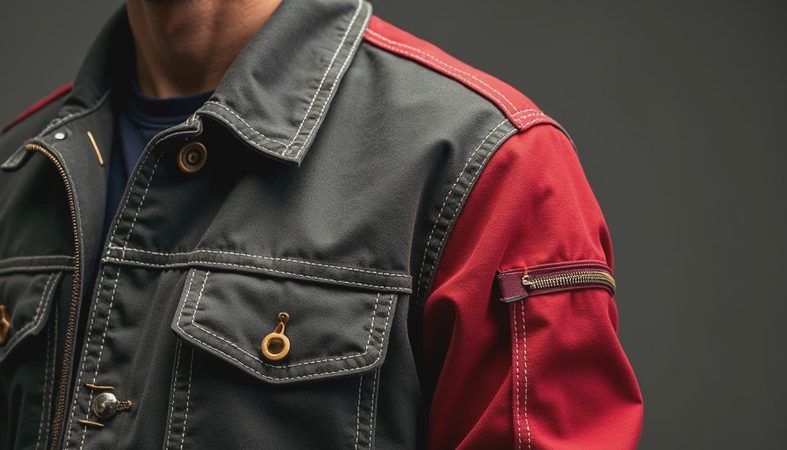
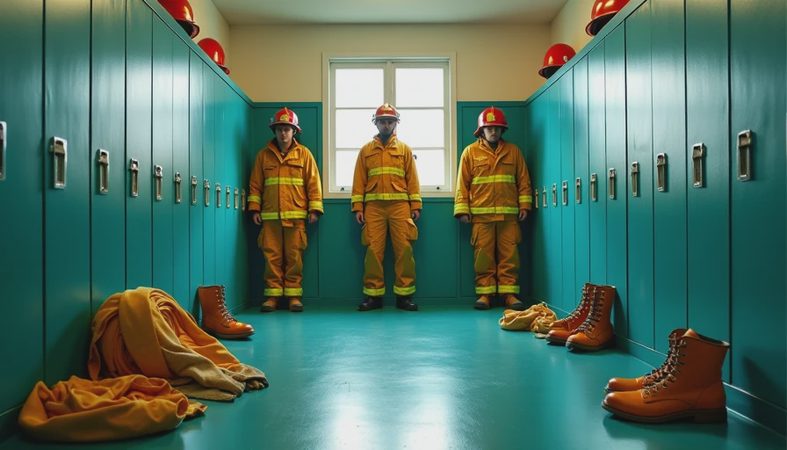
When I say work pants, I mean the pair that gets crawled through ash, dirt, truck beds, and broken brush without falling apart. I started judging them on the fire line, where a bad seam shows up fast and a poor cut wastes energy all day. The right pair moves easy, keeps its shape, and does not demand attention. If I notice them less as the shift goes on, that is usually a good sign.
What a good pair has to do before it gets praise
A decent pair of work pants has to bend at the knee without pulling at the crotch or dragging down the waist. That sounds basic, but most failures start there. Too low in the rise and every squat turns into a tug. Too tight in the seat and the stitches take the hit. I want room for a base layer, enough shape to move, and no extra fabric flapping around the boot tops.
I also check the seams and reinforcements before I care about color or brand. Bar tacks at the pocket corners, a clean double stitch, and a solid hem tell you somebody expected abuse. Cheap thread frays after a few wash cycles, then the leg starts to twist and the pockets sag. I have seen plenty of good-looking pants fail because the build was weak where it matters.
Fabric choices that earn their keep
Canvas, duck, denim, and ripstop all show up in the same aisle, but they do different jobs. Heavy duck handles abrasion and sparks better than light stretch cloth. Midweight canvas breathes easier on hot days. Ripstop with a little spandex is handy when you spend half the day climbing, kneeling, and getting in and out of equipment. The trick is matching the cloth to the shift, not to the catalog photo.
For work pants, I look at fabric weight first. Eight-ounce cloth feels cooler and lighter. Ten- to twelve-ounce duck feels slower in August but takes more abuse from belt wear, brush, and repeated washing. Carhartt, Dickies, and Wrangler Riggs all have a place here, but the right choice depends on whether you need summer comfort, all-season toughness, or a mix of both. Buy for the job in front of you.
Fit matters more than most guys want to admit
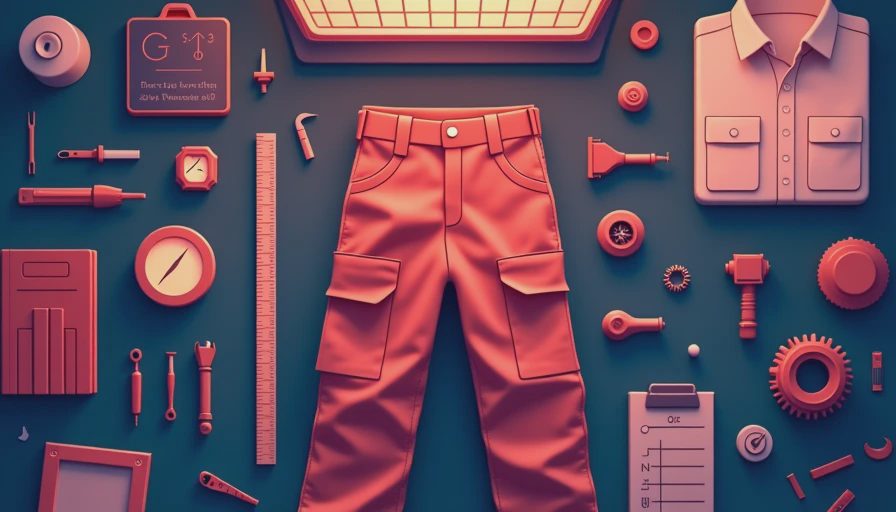
For work pants, a lot of guys buy by waist size and hope the rest works out. It usually does not. Fit decides whether you can crouch, climb, and step over a log without fighting the waistband. I want enough room through the thigh to move, a rise that stays put, and a leg opening that clears the boot without swallowing it. If the pants fit standing still but fail in motion, they are wrong.
I tell people to test them before the receipt goes in the glove box. Squat all the way down. Sit in a truck seat. Reach into the back pocket while bent over. If the seat pulls, the crotch binds, or the waistband rolls, keep looking. A little stretch can help, but stretch will not fix a bad pattern. The best pair feels plain because you are not thinking about it all day.
Pockets, knees, and the places cheap pants give up
For work pants, pockets should carry real tools, not just a phone and a key fob. Deep front pockets are better than shallow fashion cuts. A reinforced rear pocket matters if you carry a tape or sit on rough benches. A hammer loop can help or get in the way, so I treat that as a preference, not a selling point. Clean stitching around the opening matters more than the gimmick.
Knees are where a lot of pants quit. If you spend time on concrete, gravel, or a fire line, look for articulation or knee pad pockets that actually line up with the kneecap. Too many are sewn too low and end up useless. I also watch the inner knee and cuff for abrasion patches. That is where boots rub, brush catches, and fabric starts to fail first.
How much you should spend without getting taken
For work pants, budget pairs in the $35 to $50 range can be fine for shop work, light maintenance, or a weekend project. Once you get into the $60 to $90 range, you usually see better fabric, cleaner stitching, and a cut made for movement. Over $100, you should expect either stronger materials or a specialty fit that solves a real problem. If neither shows up, the price is just noise.
Brands matter less than the job. Dickies can be a smart value. Carhartt still owns a lot of the heavy-canvas space. Wrangler Riggs leans toward utility and movement. Duluth Trading is known for stretch and comfort. None of them win every round. If you need five days a week in the dirt, buy two solid pairs and rotate them. One worn-out pair is expensive in disguise.

A simple field test before you tag them for duty
If your work pants are going to live in the truck or the brush, give them one honest day before the tags come off. Climb in and out of the cab several times. Kneel on gravel. Carry a bucket, a drill, or a saw and see where the cloth rubs. Wash them once and check for shrink, twist, and seam creep. Cheap fabric tells on itself fast. Good fabric softens and keeps going.
I judge the rest by what happens after a dirty week. If the seams stay straight, the pockets keep their shape, and the cuffs are not fraying into strings, that pair is serviceable at minimum and maybe battle-tested. If they bag out at the seat or tear at the belt loops, they go to the scrap pile. That is the whole test. Buy the pair that disappears on shift, and keep a backup ready. Worn in fire. Proven in dirt.