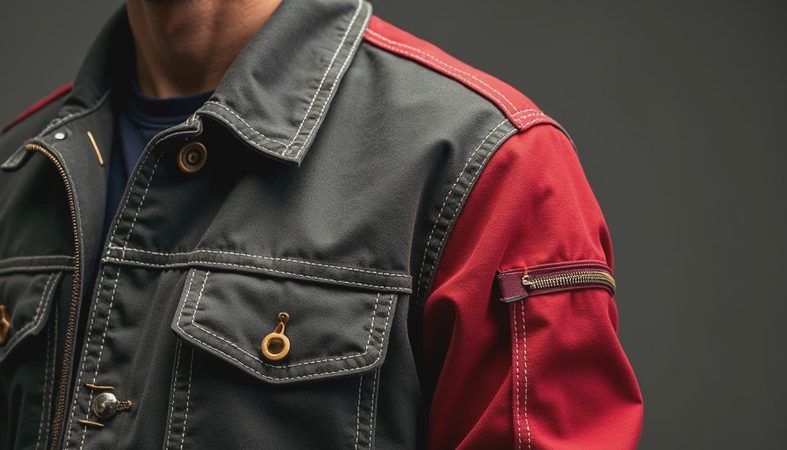
I’ve worn enough pairs into dust to know this: the best work pants are not the ones with the loudest ad copy. They’re the ones that still kneel clean, keep their pockets where you left them, and don’t split when you climb a tailgate or crawl under a rig. If you work outside, sweat through summer, and still need to look like a professional when the day goes sideways, the details matter. Fabric weight, pocket layout, stretch, and seam build are the difference between a pair that lasts a season and a pair that earns a second year.
On crews, I learned fast that price alone is a bad compass. Some $40 pants are honest and some are junk. Some $110 pants are built like armor and some are just expensive cotton with a logo. The best work pants hit a narrow lane: enough abrasion resistance for brush, lumber, and steel edges, enough flex for kneeling and climbing, and enough fit room that you are not fighting the waistband by noon. If a pair feels great in the fitting room but fails in gravel, wet brush, or a hot truck seat, it does not belong in the truck.
What separates the best work pants from a cheap pair
Start with fabric. Duck canvas, heavy twill, and reinforced ripstop all have a place. Duck canvas is hard wearing but stiff at first. Twill tends to move better and break in faster. Ripstop gives you a little insurance against a tiny tear turning into a blown-out leg. If you spend your day around rebar, chain, sawdust, or ladder rungs, that matters more than a marketing label. I also look for bar-tacked stress points, double or triple stitching, and a gusseted crotch if the cut allows it. Those little details do not look flashy on a hanger, but they are why one pair survives a season and another gives up at the seams.
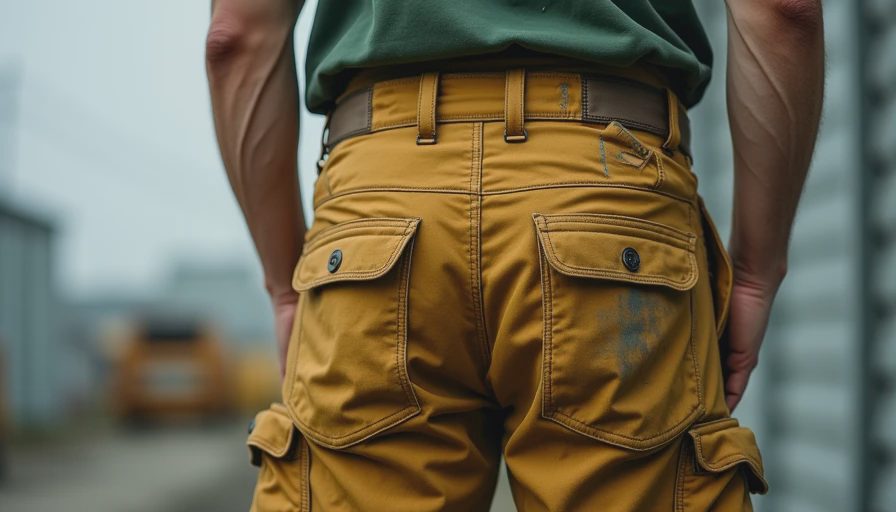
Pocket design matters more than most guys admit. A tape pocket that sits flat is useful. A cargo pocket that flops open and dumps screws into the truck seat is not. Tool loops, phone pockets, and knife pockets are only worth having if they stay out of the way when you bend. In the field, the right pair is the one you stop thinking about after lunch. That is usually a sign you bought the right kind of pants, not the prettiest ones.
How I rank the best work pants on the Fire Line Scale
I keep my own Fire Line Scale simple. Acceptable means it gets you through a week. Serviceable means you would buy it again if money is tight. Battle-Tested means it has already survived dirt, sweat, and repeated wash cycles without falling apart. Barrel-Ready means I would trust it in hard brush, on a roof, or under a rig without worrying about the next seam failure. That is where the best work pants earn their keep.
For a lot of guys, Carhartt’s Rugged Flex line lands in the Serviceable to Battle-Tested range. It is not fancy, but it moves better than old-school duck and usually comes in around the $50 to $70 range. Wrangler Riggs pants are another solid option if you want work pockets and a roomier cut without spending premium money. Duluth Trading’s Fire Hose pants tend to cost more, often closer to $80 to $100, but the fabric is tough and the sizing options help if your build is not straight off a mannequin. Dickies double-knee options stay popular because they are easy to find and usually cheap enough to buy two pairs at once.
The trick is knowing what you are paying for. Stretch, reinforced knees, and better pocket layout cost money. Brand reputation also costs money. If the pants are going to be in sawdust, mud, or concrete grit every week, I would rather spend on construction than on a name stitched to the back pocket.
Fit is what keeps a good pair from becoming a nuisance
A bad fit ruins a good fabric. Too low in the rise and you are yanking them up all day. Too tight in the thigh and you burn through the inseam faster. Too loose and the cuffs get chewed up by boots, ladders, and wet ground. The best work pants give you room to crouch without sagging like sweatpants. If you wear boots, the hem should clear the heel and not drag unless you want it hemmed. If you carry a phone, pliers, or a folding knife, the pockets should still close without the leg twisting sideways.
I also pay attention to waist stretch. A little flex is useful, especially when you are kneeling or sitting in a truck for hours. But too much stretch can mean the pants bag out after one long day. The sweet spot is usually a blend that keeps shape while still letting you climb a ditch bank or step over debris without hearing fabric protest.
When to buy the best work pants without burning a paycheck
If you are buying for occasional yard work, you do not need a $100 pair. A solid $35 to $55 option from Carhartt, Dickies, or Wrangler can do fine. If you are wearing them five days a week, buying cheap twice is usually more expensive than buying once with better stitching. That is where the best work pants make financial sense, not just comfort sense. One good pair that lasts a season and a half beats two weak pairs that fail before winter.
The same rule applies to changes in weather. Summer work calls for lighter fabric and more breathability. Cold weather rewards heavier cloth and room for a base layer underneath. If your job swings between jobsite dust, brush, and time in a truck cab, look for a middleweight pant that can handle all three without feeling like tin foil in July or cardboard in January.
A simple buying check before you spend the money
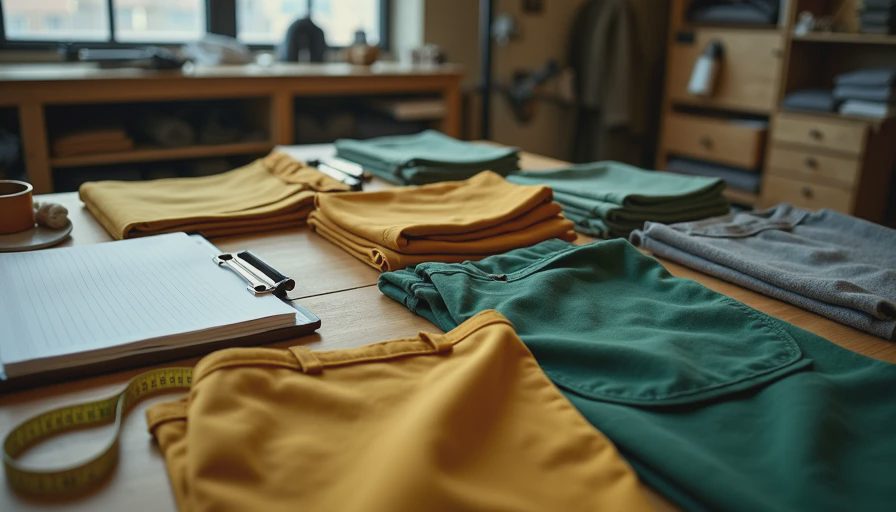
Before you click buy, check the inseam, the rise, the fabric blend, and whether the knees are reinforced. Look at the pocket layout and ask a plain question: will these still work with gloves on, a phone in the pocket, and a belt cinched down? If the answer is maybe, keep shopping. If the photos hide the seams or the product page talks more about style than abrasion resistance, move on. Work pants should solve problems, not create them.
A quick field test helps too. Squat down, climb a step, sit on a hard chair, and check whether the waistband bites or the crotch pulls. Walk a few blocks in boots. If the cuffs hit your heels or the leg twists, that pair will annoy you every day. The best work pants pass that first test without a lecture.
What I’d tell a crew member at shift change
If you need a dependable answer, start with one pair that fits your job, then buy a second pair only after the first one proves itself. That keeps you from stacking your truck with expensive mistakes. For rough work and real abuse, I lean toward pants with reinforced knees, enough stretch to move, and a cut that does not fight your boots. For lighter-duty trade work, a simpler pair with decent stitching can be plenty.
That is the whole game. Buy for the work in front of you, not the photo on the package. If you want the best work pants for daily abuse, choose the pair that stays useful after the first hard week. Worn in fire. Proven in dirt.