The Never-Ending Bronco Project
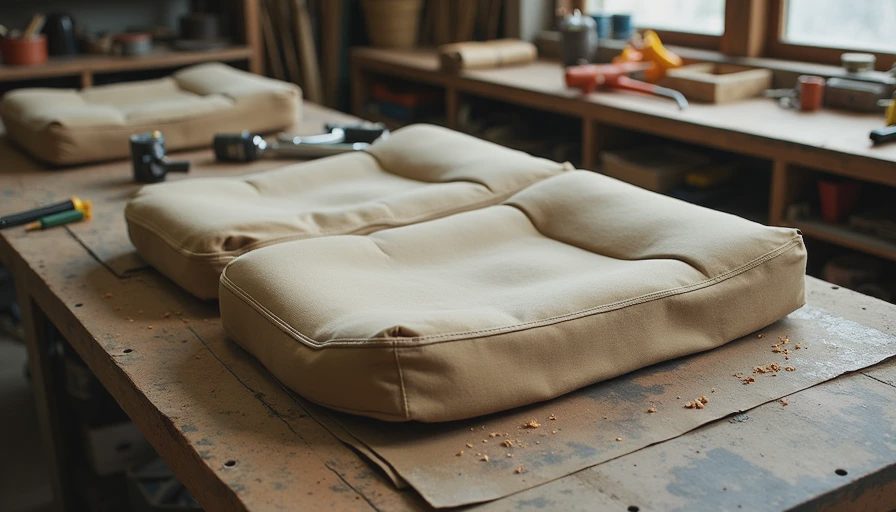
The 1987 Bronco has been in pieces in my shop for longer than I care to admit. Between fire seasons and family life, progress is slow but steady. One of the most educational parts has been redoing the interior, especially the seat covers.
Why I Chose Canvas
Leather looks nice but doesn’t hold up well to dirty work clothes, kids, dogs, and Montana weather. I wanted something tough, repairable, and honest. Heavy canvas was the obvious choice.
Material Selection
I went with 12-oz canvas duck cloth — the same stuff used in quality work pants and tool bags. It’s heavy, abrasion-resistant, and develops a great patina over time. I chose a neutral khaki color that hides dirt but still looks clean.
Treating the canvas with waterproofing spray and occasional wax helped with the inevitable spills and wet gear.
Design and Construction Lessons
Reinforcements Matter:
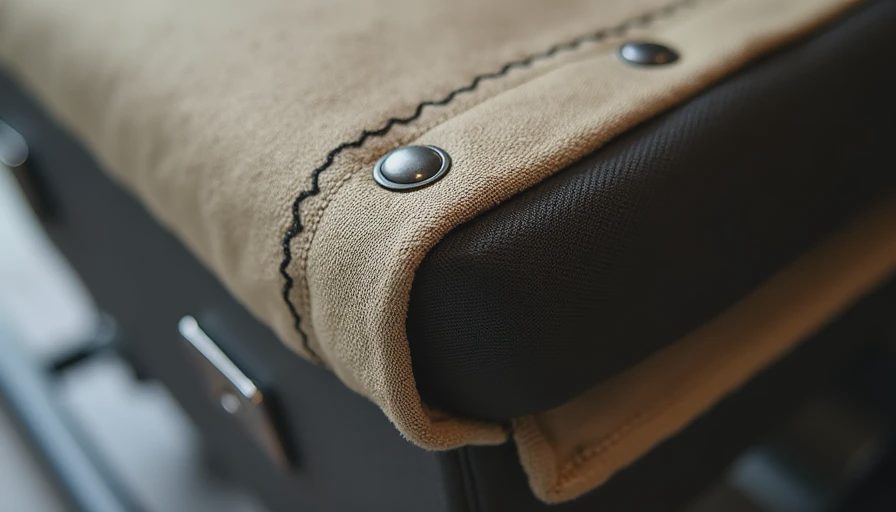
High-wear areas (bolsters, seat edges, where you slide in) got double layers and extra stitching. This has made a huge difference in longevity.
Thread Choice:
Heavy polyester or bonded nylon thread. It holds up to UV exposure and constant flexing better than basic cotton thread.
Fit and Patterning:
Taking precise measurements and making paper patterns was crucial. Seats are never perfectly symmetrical. Taking time here prevents frustration later.
Attachment Method:
Velcro, snaps, and some strategic stitching. Easy to remove for cleaning but secure enough for daily use.
Real-World Performance
After several months of hard use — kids climbing, tools being tossed in, wet dogs, and me in dirty fire gear — the covers are holding up excellently. They show some dirt and character but no major tears or wear spots.
They clean up well with a stiff brush and occasional hose-down. Much more practical than fancy upholstery.
Unexpected Lessons from the Project
Working with canvas reminded me a lot of gear repair. The same principles apply: reinforce high-stress areas, use quality materials, and prioritize function over fashion.
The process also taught me patience. Good work takes time, whether it’s a seat cover or a proper boot patch.
Recommendations for Your Projects
If you’re considering canvas covers for a work vehicle:
Buy heavier weight fabric than you think you need
Reinforce everything
Plan for easy removal and cleaning
Embrace the lived-in look
It won’t look showroom perfect, but it will survive real life way better.
The Bigger Picture
The Bronco is still far from road-ready, but every small project like this brings it closer. More importantly, it’s teaching me skills that transfer directly to gear repair and maintenance — which is really what Shop Talk is all about.
Sometimes the best lessons come from side projects you never quite finish.
Worn in fire. Proven in dirt.