Why Rebuilding Boots Matters
Good boots are expensive. Throwing them away when the soles wear out is wasteful. Learning when and how to rebuild them can save hundreds of dollars while keeping proven footwear on your feet.
The Subject: My Old Smokejumpers
After 2,000+ miles, my White’s Smokejumper boots had worn soles, some scuffing, but the uppers were still excellent. Perfect candidate for a rebuild.
Signs It’s Time for Attention
Resole Indicators:
Soles worn down to 50% or less with visible tread loss
Heel significantly compressed or worn unevenly
Still good waterproofing and upper integrity
Stitching on uppers solid
Replace Indicators:
Major cracks or drying in the leather uppers
Multiple seam failures
Water intrusion that won’t stop with conditioning
Structural breakdown in the shank or arch area
Interior lining completely shot
The Rebuild Process
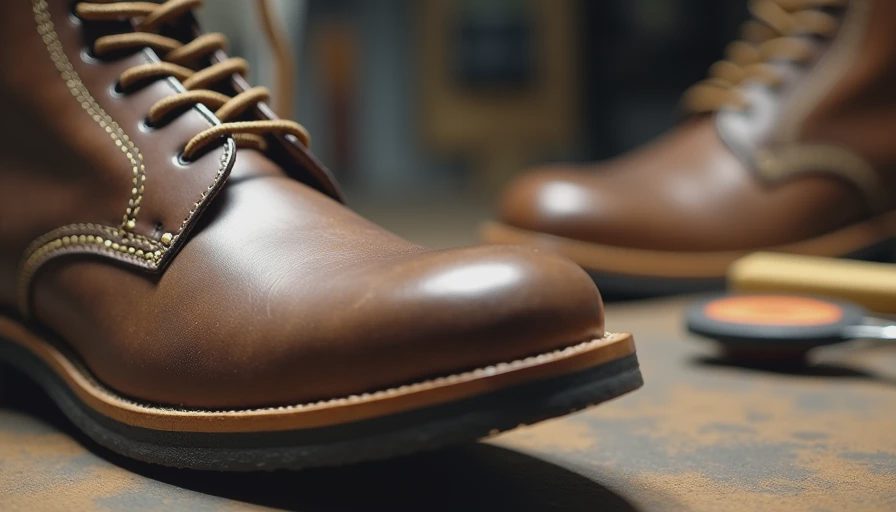
I sent them to a reputable cobbler experienced with work boots. The process included:
Complete sole and heel removal
Inspection and repair of welt and stitching
New Vibram soles and heels
Reconditioning of the leather uppers
New laces and minor cosmetic fixes
The boots came back looking and feeling nearly new. The uppers actually improved with the professional conditioning.
Cost Breakdown
Original boots: $480
First rebuild: $135
Expected second rebuild: $140–$160
Total for ~5,000 miles: roughly $0.15 per mile
Compare that to buying new boots every season at $200+ each. The math heavily favors rebuilding quality footwear.
What I Learned During This Rebuild
The quality of the original construction makes all the difference. Cheap boots often aren’t worth rebuilding because the foundation isn’t solid enough.
Timing matters. Don’t wait until the boots are completely destroyed. Catching them at the right wear level gives the best results.
Professional cobblers who understand work and fire boots make a huge difference compared to general shoe repair shops.
Maintaining Boots Between Rebuilds
Clean regularly
Condition leather every few months
Rotate pairs when possible
Fix small issues before they become big ones
Keep them dry
When I Finally Retired a Pair
Even the best boots eventually reach the end. I retired my first rebuilt pair when the uppers finally developed deep cracks and the internal structure started breaking down after nearly 6 years of hard use. They gave everything they had.
Final Advice
Invest in quality boots that are rebuildable. Learn the signs of when to repair versus replace. Take care of them between rebuilds. Your feet — and your wallet — will thank you.
A good pair of boots, properly maintained and rebuilt, becomes better with age. That’s rare in modern gear.
Worn in fire. Proven in dirt.