Why Boots Matter More Than Almost Anything Else
If your feet go down, everything stops. On long fire assignments or backcountry patrols, bad boots can turn a tough day into pure misery. After trying dozens of options over 15 years, White's Smokejumpers earned a permanent spot in my kit. Here's what 2,000+ hard miles taught me.
First Impressions and Break-In Reality
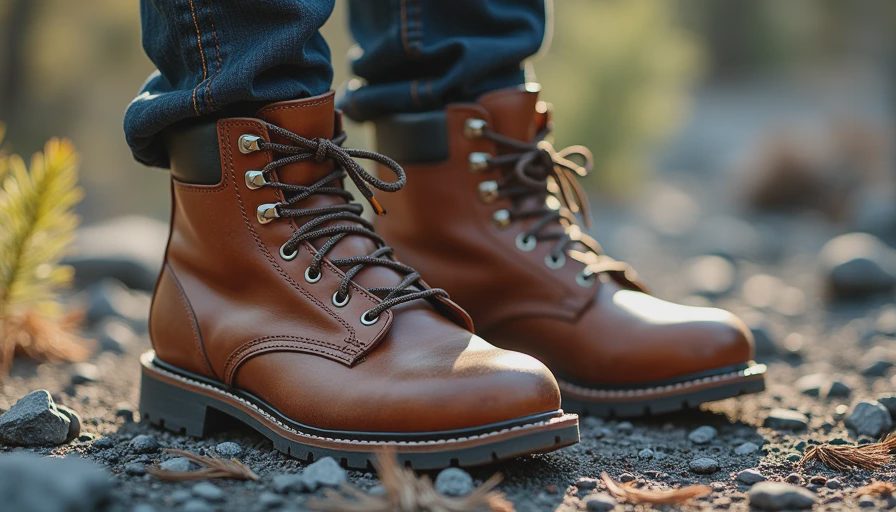
These boots arrive stiff as a board — that’s the handmade quality showing. The full-grain leather is thick and tough, built with the famous White's arch and construction that supports your foot instead of fighting it.
The break-in period is real. I wore them around the house and on light hikes for about two weeks before taking them on a serious assignment. Most guys quit too early here. Push through it. Once they mold to your feet, they become incredible.
Performance on the Fire Line
I wore these boots through engine work, saw operations, and plenty of hiking with heavy packs. The Vibram sole provided excellent traction on loose rock, ash, and mud. The high ankle support saved me from multiple rolled ankles on uneven burn scars.
After the first 500 miles, the boots started feeling like old friends. They flexed where needed but kept their structure. Water resistance was solid with regular mink oil treatment — important when you’re dealing with morning dew and afternoon thunderstorms.
The 1,000-Mile Mark: Still Going Strong
At 1,000 miles the boots showed expected wear: some scuffing on the toes and slight sole thinning. But the uppers remained tight, the stitching was rock solid, and there were no major hotspots or breakdown areas.
This is where cheaper boots often start failing — seams splitting or soles delaminating. The White's construction kept everything locked in place.
2,000 Miles: Time for a Rebuild
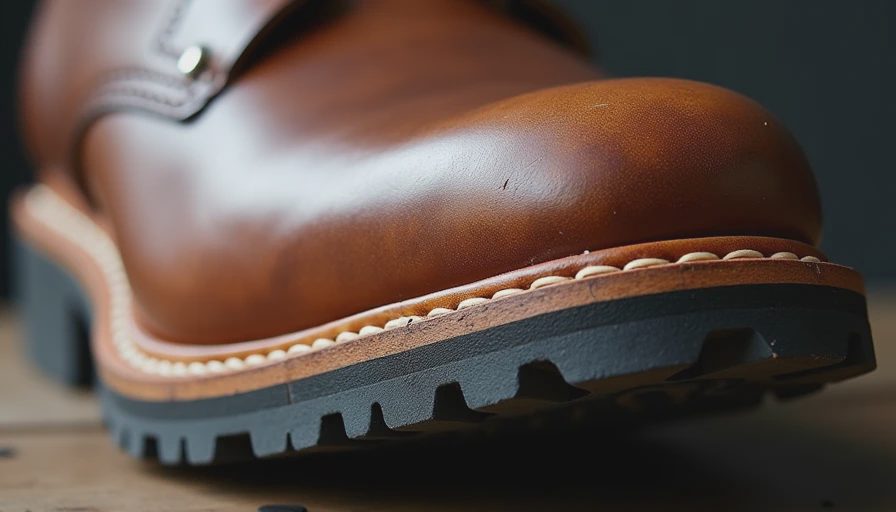
By 2,000 miles the soles were worn down and the heels showed serious use, but the uppers were still in great shape. This is exactly where White's shines — they can rebuild these boots with new soles and restore them to near-new condition for a fraction of the original price.
I sent them in for their first rebuild. They came back looking and feeling fantastic. The same boots are still going strong today.
The Cost Math: Premium vs Budget
Yes, these boots cost significantly more upfront than big-box options. But when you factor in multiple rebuilds, the lifetime cost drops dramatically. A good pair of White's can easily last 5,000+ miles with proper care. Most cheaper boots get replaced every season.
For someone making crew wages, that math matters.
What Could Be Better
They’re heavy compared to some lightweight hikers. If you do mostly flat terrain or short assignments, there might be better options. The break-in requires patience. And they need regular conditioning to maintain water resistance.
Who Should Consider Smokejumpers
Wildland firefighters who need maximum durability
Backcountry rangers and trail crews
Anyone who wants boots that can be rebuilt instead of replaced
People willing to invest in proper foot care for long-term comfort
If you’re mostly doing light work or want something lighter and cheaper for occasional use, there are other solid options I’ll cover in future reviews.
Final Verdict: Battle-Tested and Worth It
After 2,000 miles of real abuse, the White's Smokejumper boots proved they’re worth the investment. The quality construction, rebuildability, and foot support make them one of the smartest gear purchases I’ve made in my career.
Your feet carry you through every shift. Treat them right.
Worn in fire. Proven in dirt.