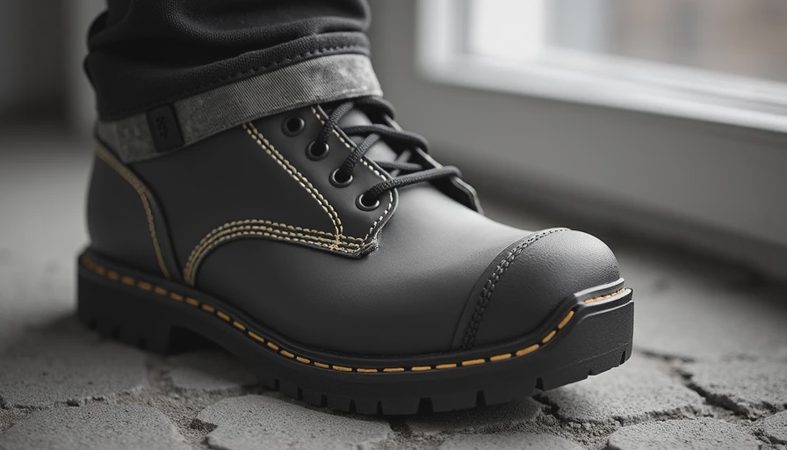
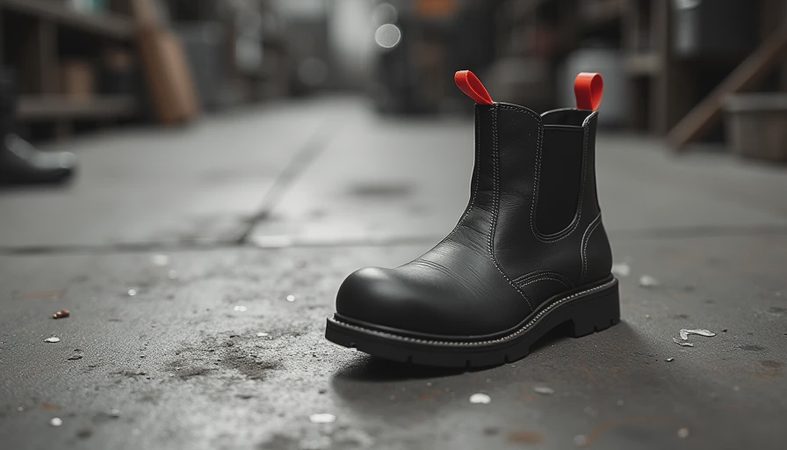
September 2018, Sawtooth Complex, hour 11. My boots were hot, heavy, and packed with grit, but the real problem was the steel cap pressing against my toes every time I climbed. That experience sent me looking at shoes with composite toe protection for long shifts and rough ground. The best pairs reduce weight and heat without turning your feet into soft targets. The bad ones split at the toe, slip on wet plywood, or fit like a plastic bucket.
Composite toe footwear uses nonmetal materials such as carbon fiber, Kevlar, fiberglass, or reinforced plastic to cover the toes. It is generally lighter than steel and does not conduct cold or heat as quickly. That makes a difference when you spend ten hours walking concrete, climbing ladders, or standing beside a truck in January. It does not mean every pair is suitable for every hazard, though. Protection ratings, sole construction, fit, and the job itself still matter.
What Composite Toe Protection Actually Does
A composite cap is designed to resist impact and compression. In plain terms, it helps protect your toes if a tool box drops or a heavy object rolls across the front of your foot. Look for an ASTM F2413 label when your employer requires protective-toe footwear. That marking indicates the footwear has been tested against recognized impact and compression requirements. The label is more useful than a vague phrase such as “safety toe” printed on a box.
The main advantage of shoes with composite toe construction is reduced weight. A steel-toe work shoe can feel fine for a short warehouse shift but tiring after miles of outdoor inspection work. Composite materials also do not set off metal detectors in the same way steel can, which helps some maintenance, airport, and facility workers. They are not electrically magical, fireproof, or immune to crushing. A puncture-resistant plate, electrical hazard rating, or heat-resistant outsole must be listed separately.
Fit decides whether the protection helps or hurts. Your toes should not touch the cap when you walk downhill, and the widest part of your foot should sit over the shoe's widest point. Try them on late in the day with the socks you actually wear. Feet swell during long shifts. A pair that feels perfect at 7 a.m. can have your little toes filing a complaint by 3 p.m.

Where These Shoes Earn Their Keep
Composite toe shoes make sense for carpenters, warehouse workers, electricians, mechanics, delivery drivers, utility crews, and trail workers who need protection but do not want a full-height boot. They are especially useful when the work involves repeated walking, ladder climbing, or driving between locations. A low-cut design usually bends more naturally than a logger boot, and a one- to two-pound reduction per pair can be noticeable after a long day.
For outdoor work, inspect the outsole before you trust it. A shallow tread that behaves well on clean shop floors can skate across wet grass, pine needles, or loose gravel. Look for rubber with defined lugs and a heel edge that can catch a ladder rung. Oil-resistant rubber is useful around equipment, but it does not guarantee grip on mud or ice. No outsole replaces deliberate footing.
Water resistance is another place where marketing gets slippery. A waterproof membrane can keep puddles out, but it can also hold sweat inside when temperatures climb. If your day includes creek crossings and wet brush, waterproof shoes with composite toe protection can be worthwhile. If you work mostly indoors, breathable mesh and a removable footbed may serve you better. The right choice follows the job, not the product photograph.
Materials, Closures, and Durability
The upper should match the punishment. Full-grain leather usually handles abrasion from lumber, rocks, and equipment better than thin mesh. Synthetic leather can reduce price and dry faster, while mesh improves airflow but exposes itself to sparks, sharp edges, and cinders. For a construction site, I prefer a leather or substantial synthetic upper with a stitched or reinforced toe area. For a warehouse, lighter mesh may be a reasonable trade.
Laces give the most precise fit, but they are vulnerable to mud and machinery. Composite-toe shoes with speed hooks or a quick-lace system save time, though a broken lace or plastic fitting can end the shift. Inspect the eyelets, not just the cap. If the upper is already pulling away from the sole in the store, it will not become stronger on the job.
A removable insole is worth having. Replaceable insoles cost roughly $15 to $40 and can restore comfort after the original foam packs down. A shoe priced at $90 with a durable outsole and replaceable insole can serve better than a $160 pair with a fancy upper and a glued sole that separates in six months. The barrel doesn't lie, but neither does a close look at the stitching.
My Field Check for Shoes With Composite Toe
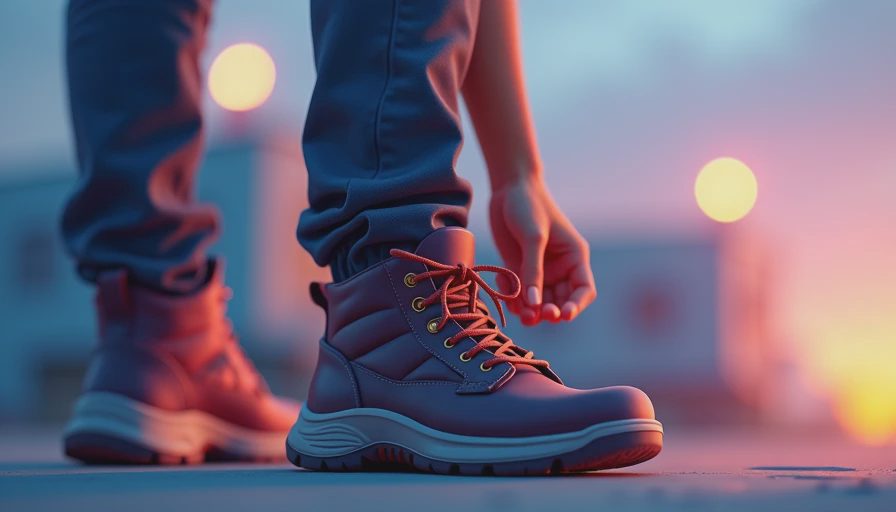
Before committing to shoes with composite toe protection, I run a simple shop-and-field check. First, bend the forefoot by hand. It should flex behind the toe cap, not directly under it. Next, press the cap area from above and the sides. You should feel firm resistance without a sharp interior edge. Walk stairs, squat, and stand on one foot. Any heel lift, rubbing seam, or pressure point will become louder after eight hours.
Then check the sole. Try the shoes on smooth concrete, a rubber mat, and loose gravel. You want a stable heel, controlled flex, and enough tread to clear debris. Pour a small amount of water over the upper and inspect whether it beads, absorbs immediately, or leaks around the tongue. This is not a laboratory waterproof test, but it exposes poor construction quickly.
Finally, wear them around the house for two short sessions before taking them to a remote job. Keep the receipt. Breaking in leather should soften the upper, not require your feet to develop calluses in self-defense. If the cap rubs on day one, more miles will not change its shape.
Price, Brands, and Sensible Buying
In the US market, dependable composite-toe work shoes commonly land between $80 and $180. Skechers Work and Cat Footwear offer accessible low-cut options, while KEEN Utility, Timberland PRO, and Wolverine cover a broad middle range. Reebok Work and New Balance Industrial often appeal to workers who prefer a sneaker-like fit. These are general product families, not a guarantee that every model suits your site. Compare the exact safety markings, outsole, warranty, and return policy.
Do not pay extra for a casual-looking shoe if the job requires puncture resistance, metatarsal protection, or a specific electrical rating. Those features can add cost, but they address different hazards. Conversely, do not buy a heavy boot when your actual shift involves clean floors, light tools, and ten miles of walking. Spend money on the protection you need and the fit you can tolerate.
A good purchase should leave enough budget for quality socks. Wool-blend or synthetic work socks manage moisture better than cotton alone, and a dry foot is less likely to blister. Keep a spare pair in the truck. That small habit has saved more shifts than plenty of expensive gear.
The Fire Line Scale Verdict
For general construction, warehouse, maintenance, and utility work, shoes with composite toe protection can be Serviceable or Battle-Tested when the cap is certified, the sole grips, and the fit stays quiet after a full shift. They are not a substitute for wildland firefighting boots, chainsaw boots, or specialized electrical footwear. Match the protection to the hazard assessment your employer uses.
My choice is a leather or reinforced synthetic pair with a rubber outsole, firm heel counter, removable insole, and enough room for winter socks. I would accept a little extra weight for a sole that grips wet ground and survives abrasion. A featherweight shoe that peels apart after one season belongs in the skip pile.
Buy from a retailer with a real return window, test the fit before the first hard shift, and inspect the sole every week for separation or worn tread. If the cap is comfortable, the heel stays planted, and the outsole still bites after a month of work, you have a tool worth keeping. Worn in fire. Proven in dirt.