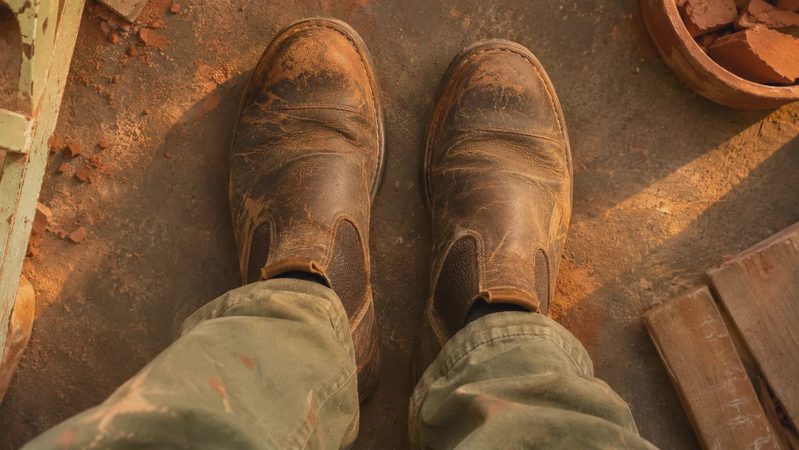
September 2018, hour 11 on the Sawtooth Complex, my feet were wet, hot, and still had another shift ahead of them. That is when I stopped caring about polished product photos and started paying attention to what a boot could take. The red wing boot company has lasted because its better work boots are built around that same question: will they hold together when the ground is ugly and the hours run long?
Red Wing is not one single kind of boot. The company makes heritage-style footwear, safety-toe work boots, wedge-sole models, logger boots, and more casual leather shoes. That range matters. A soft wedge sole that feels good on concrete is not the same tool as a lugged logger boot on wet slash. Buy for the ground and the job, not for the reputation alone.
What the red wing boot company does well
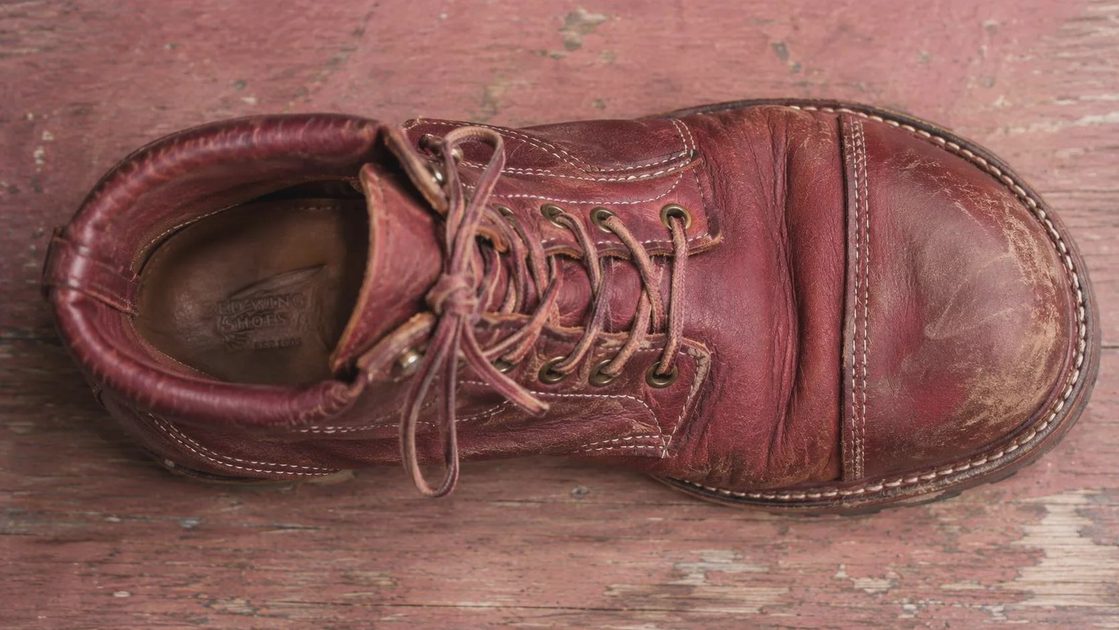
The strongest part of the red wing boot company formula is straightforward construction. Many models use full-grain leather that starts stiff and gradually forms around the wearer’s foot. Out of the box, that leather can feel less comfortable than a lightweight synthetic boot. After several shifts, however, a properly fitted pair often develops a useful crease pattern instead of collapsing randomly around the ankle.
The company also has a long repair tradition. Depending on the model, a worn sole can be replaced rather than sending the entire boot to a landfill. That does not make every Red Wing boot immortal. Salt, standing water, bad storage, and neglected stitching will still do damage. It does mean a $300-plus purchase can sometimes become a multi-year tool instead of a disposable seasonal expense.
The classic moc toe is a good example. Its wedge outsole gives steady traction on dry floors, shop concrete, and packed ground, with little heel shock during long standing shifts. It is less convincing in deep mud, loose scree, and steep wet timber. A lugged outsole gives more bite but usually transmits more fatigue on hard indoor surfaces.

Choosing the right model for actual work
Before looking at color or leather, answer four questions: What surface will you walk on? Do you need a safety toe? How much water will the boot see? Can your employer require a specific electrical or slip-resistance rating? A heritage boot can look tough and still be the wrong choice for a jobsite with formal protective-footwear rules.
For concrete, warehouse floors, and general shop work, a wedge-sole boot is often the sensible starting point. Models such as the Classic Moc are known for their flat, supportive sole and simple leather upper. They are not ideal for climbing muddy slopes, but they are comfortable when the day involves eight to ten hours of standing, carrying, and walking across hard ground.
For timber, utility work, or uneven trails, look at a deeper lug pattern and a taller shaft. A logger-style boot offers more ankle structure and heel definition, useful when a boot must grip a sloped surface. The tradeoff is weight. Two heavy boots can add noticeable fatigue over a ten-mile patrol, especially if the fit is loose and your heel lifts with every step.
Safety-toe buyers should leave room for the toe cap without allowing the foot to slide forward. Try boots late in the day, when feet are naturally larger. Wear the socks used on shift. A thumb-width of space in front of the longest toe is a reasonable starting point, but the exact fit depends on foot shape and the boot’s last.
Breaking in leather without wrecking your feet
A new leather boot should not go straight from the box to a fourteen-hour shift. Start with an hour at home, then a short walk, then a half shift close to a vehicle. Pay attention to pressure at the heel counter, tongue edges, and the crease over the toes. Hot spots become blisters when ignored, and blisters become a limp when the next assignment has no spare crew.
The red wing boot company fit process is worth taking seriously because leather boots do not shrink into the correct shape after a bad size choice. A boot can soften, but it cannot fix excessive length or a narrow toe box. If your heel moves more than a small amount after the laces are snug, try another size or width. Thick socks are not a substitute for the correct last.
Use a small amount of conditioner when the leather is dry, not as a daily ritual. Over-conditioning can soften support and leave the surface greasy. Let wet boots dry at room temperature, away from a heater or open flame. Stuffing them with paper helps pull moisture from the lining while preserving the shape.
Where the red wing boot company price makes sense
Prices commonly land from roughly $250 to more than $400, depending on the model, safety features, leather, and construction. That is real money for a working man, especially when the purchase also requires wool socks, insoles, and a second pair for rotation. The price makes more sense when you can use the same boot across several seasons and have it resoled.
It makes less sense when the job destroys footwear through chemicals, welding sparks, or constant immersion. In those conditions, a replaceable or lower-cost work boot can be the smarter financial choice. A $150 boot that lasts one season may beat a $350 leather boot that cannot be repaired after a specific workplace hazard.
Compare the total cost, not just the checkout price. A pair that lasts three years and receives one $100 to $150 resole can be cheaper than replacing $140 boots every year. Keep receipts, inspect the welt and upper, and ask about repair availability before buying. Retailers and manufacturers can differ in what services they offer for a particular model.
Care, traction, and field limits
Brush dried mud off before it hardens around the welt. Wipe salt marks promptly with a damp cloth, then let the leather dry naturally. Check the outsole for smooth patches, loose stitching, and separation near the toe. If the tread is gone, the boot is no longer giving you the traction you paid for, no matter how good the upper looks.
The red wing boot company earns trust through repairable designs, but no boot replaces judgment. Wedge soles are poor choices for steep mud. Lug soles are not magic on ice. Leather is durable, not waterproof forever. For wet trail work, use appropriate socks, allow drying time, and do not expect a work boot to behave like a dedicated rubber hunting boot.
My own practical ranking puts a well-fitted, properly maintained pair in the Serviceable to Battle-Tested range, depending on the model and assignment. I would trust the right lug boot for rough trail and the right wedge boot for a long shop shift. I would not trust either one blindly on polished ice, deep swamp, or a job requiring certification it does not carry.
Final field verdict
The red wing boot company is worth a close look if you want leather footwear with a repair path and enough model variety to match different work. Start with your surface, safety requirements, foot shape, and daily mileage. Then choose the construction that serves those facts, even if it is less fashionable than the pair getting all the attention online.
Buy from a source that can measure your feet and explain the model. Walk before committing. Break the boots in gradually. Maintain the leather and rotate pairs when your budget allows. The barrel does not lie, but neither does a long shift: comfort, traction, and a sound sole matter more than a famous label.
On the Fire Line Scale, the right pair is Battle-Tested; the wrong pair is just expensive leather. Worn in fire. Proven in dirt.