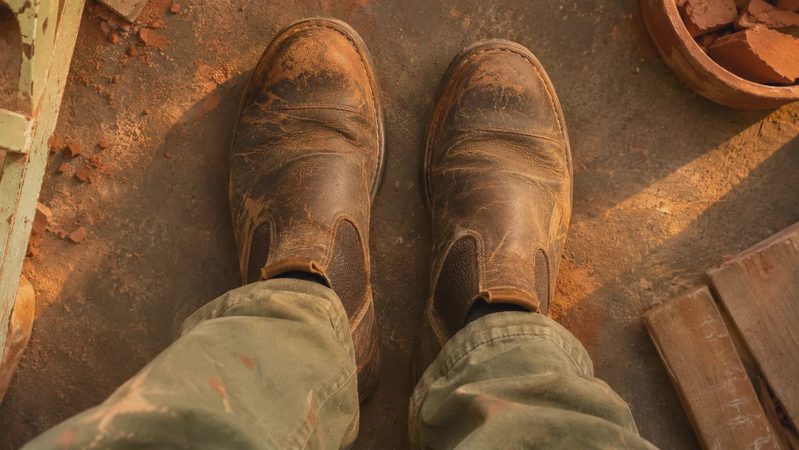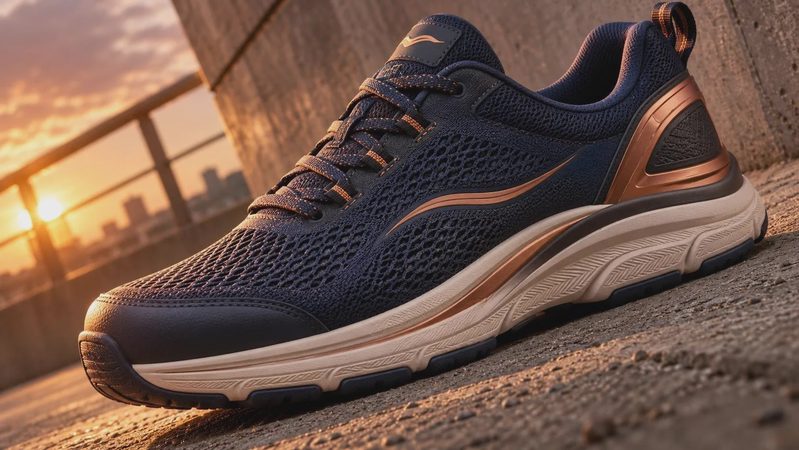
If you're looking at haix boots, start with the job, not the logo. HAIX makes purpose-built footwear for work that can include firefighting and rescue, but no single boot is automatically right for every fire assignment. Match the exact model and its certification to your employer's requirements, then make sure it fits your foot. That matters more than a good-looking product photo.
For a starting point, compare the HAIX Missoula line if you're shopping for wildland work, the HAIX Fire Eagle line if your assignment calls for structural firefighting footwear, and the HAIX Airpower line if you're looking at duty or rescue boots. These are places to start, not interchangeable recommendations: individual models and certifications vary. Check the label and manufacturer’s specifications for the exact pair before ordering.
This is a buying guide, not a field review. I won't give a boot a Fire Line Scale rating without putting that specific pair through the work.
Start with the assignment
A wildland boot has to handle long walking days, uneven ground, and heat exposure while meeting the rules of the crew or agency issuing the assignment. Structural firefighting is a different job, with different hazards and protective requirements. A boot marketed for station duty or emergency medical work may be comfortable on shift without being approved for either fire assignment.
Before buying haix, ask your supervisor or equipment officer for the written footwear requirement. Look for the applicable standard, edition, certification, and any extra agency or incident rules. Then compare those details with the marking on the exact boot, not just the category on a retailer's website.
A standard number in a product description is a useful lead, but it isn't a substitute for checking the actual certification label. If the listing is vague or the boot is on clearance, ask the seller for a photo of the label. A bargain that your crew won't accept isn't a bargain.
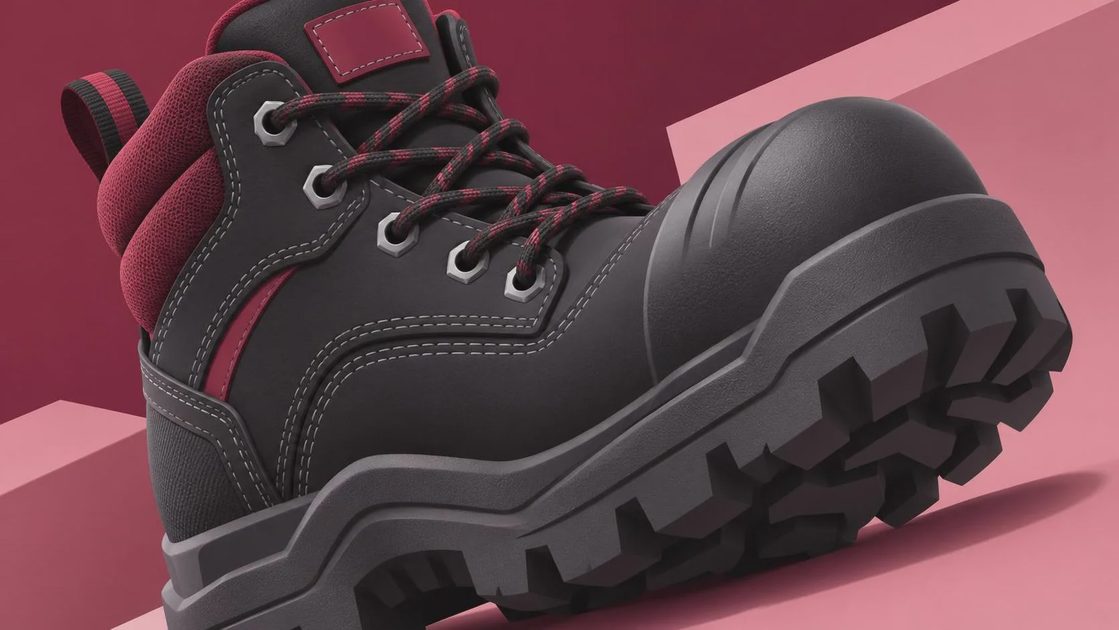
Fit the boot for a full workday
Try boots on later in the day, wearing the socks you expect to work in. Lace both feet, stand up, and walk on an incline if the store has one. Your toes need room to move without striking the front on the way down. Your heel should stay reasonably secure without a pressure point across the instep.
A little stiffness in a substantial work boot isn't unusual. Sharp pressure, numbness, or toes that hit the end are different matters. Don't count on break-in to make a boot longer or fix a badly positioned safety toe. Check the return policy before taking a new pair outside; dirt and wear can end the return window.
Sizing can vary across the haix range, so don't assume the size that works in one line will fit another the same way. If you use an aftermarket insole or an orthotic, bring it to the fitting. It can change the space over your instep and around your toes. Make sure any replacement footbed is permitted under your employer's rules and doesn't interfere with the boot's required protective features.
Waterproofing, heat, and traction
Waterproof footwear can make sense for wet grass, mud, and cold-weather work. The trade-off is that a waterproof membrane can limit how readily moisture escapes, and no boot keeps water out if it runs over the top. For hot, dry walking, think hard about whether you need that membrane on the specific job. Check the product description: not every haix boot has the same lining.
Outsole tread deserves a close look, too. Deep lugs can help bite into loose ground, but traction depends on the surface, the rubber, and the condition of the sole. Wet rock, slick metal, ash, and mud don't behave alike. No tread pattern makes a steep or unstable surface safe.
Inspect the sole where it joins the upper, the stitching around high-flex areas, the lacing hardware, and the toe. You're looking for sound construction and a design you can clean and inspect after a dirty shift. Ask whether the particular model can be resoled and who is authorized to do the work; construction and repair options vary.
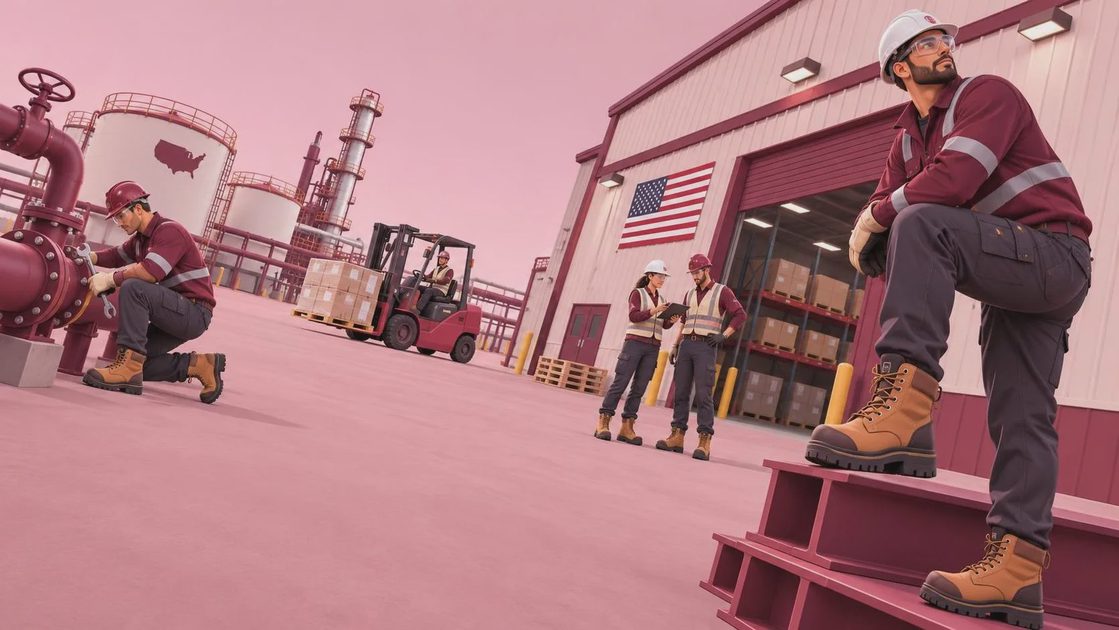
Read the protective claims carefully
Terms such as heat resistant, waterproof, and slip resistant describe different things. None means the whole boot is fireproof, impervious to water from every direction, or guaranteed not to slip. The test standard and certified rating tell you more than the advertising adjective.
If your assignment requires a protective toe, electrical protection, puncture resistance, or a specific fire certification, verify each requirement separately. A haix model with one protective feature does not necessarily have the others. Check whether the requirement applies to a complete certified boot rather than an individual component.
Don't use a backyard flame test to judge protective footwear. It can damage the materials without telling you whether the boot meets a standard. For a pair that's been burned, chemically contaminated, or visibly damaged, follow your employer's inspection and replacement procedures. When in doubt, take it out of service until a qualified person has checked it.
Cost, care, and replacement
Premium boots can take a serious bite out of a crew paycheck. Compare the price of haix with other boots that meet the same requirements, and include shipping, replacement insoles, and any available repair costs. If your employer provides a boot allowance, confirm which purchases qualify before spending your own money.
Clean the pair according to the manufacturer's instructions, especially around the sole and stitching where grit collects. Let wet boots dry away from direct high heat. A heater or fire may seem like a shortcut, but excessive heat can damage boot materials and adhesives. Condition leather only with products the manufacturer recommends for that model.
Check your boots before a shift: look for sole separation, damaged laces or hardware, deep cuts, and worn tread. Replace them when damage compromises protection or when they no longer meet your employer's requirements, not simply because the leather looks rough. A scuffed boot can still do its job; a sole coming loose on a sidehill is another conversation.
The smart next step is to get the written standard, find the haix models that actually meet it, and try them on alongside another compliant option. Buy the pair that fits your foot and your assignment—not the one with the strongest sales pitch.