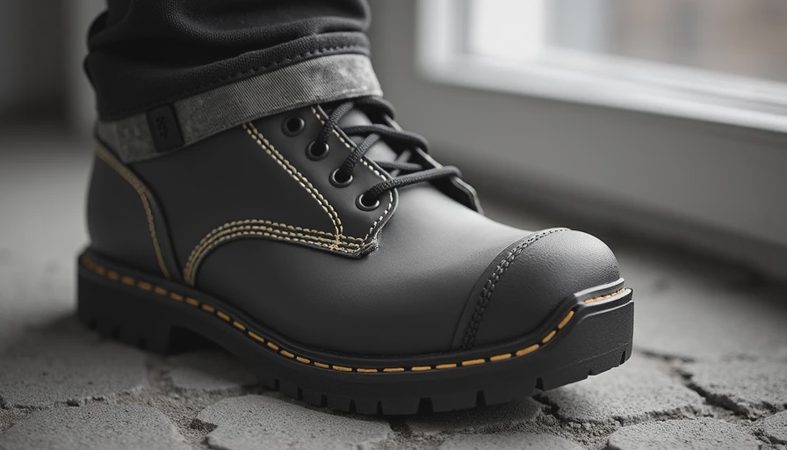
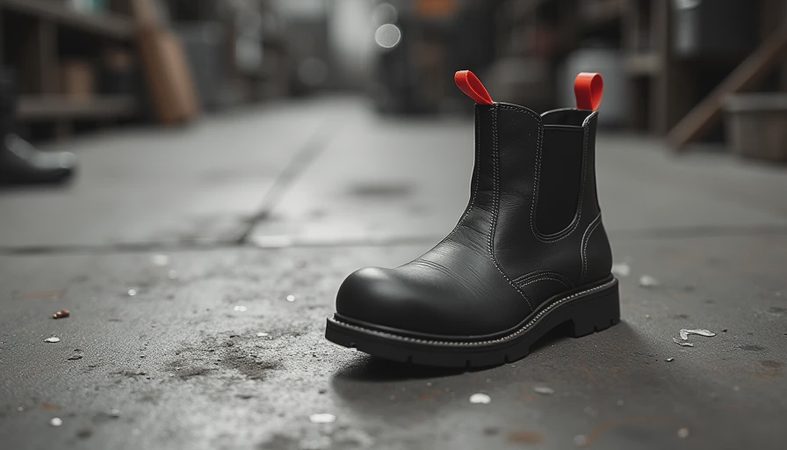
September 2018, Sawtooth Complex, hour 11. My feet were hot, wet, and tired, but the bigger problem was a steel-toe boot that had started rubbing one heel raw. That was the shift that sent me looking seriously at composite toe boots. They are not automatically better than steel, and they are not magic. The right pair can reduce weight, avoid cold-soaked toes, and still protect your feet when the work gets ugly. The wrong pair can leave you limping before lunch.
What a composite toe actually does
A composite toe cap is made from nonmetal materials such as carbon fiber, fiberglass, plastic, or Kevlar blends. Like a steel cap, it is designed to help protect the toes from impact and compression. The exact protection depends on the boot's testing and certification, so do not judge safety by the word composite alone. Look for an ASTM F2413 label or clear manufacturer documentation covering impact and compression protection.
The main advantage is weight. A pair of composite toe boots can feel noticeably lighter during a long day of climbing ladders, walking job sites, or carrying a saw through rough ground. Composite materials also do not conduct cold as quickly as steel. That matters on winter concrete, snow-covered trail work, or a January equipment yard where metal toe caps turn into small ice boxes.
The tradeoff is heat and bulk. Some composite caps take up more room inside the toe box, and certain materials can soften or lose performance when exposed to temperatures outside their intended range. Do not wear ordinary safety footwear around open flame simply because the toe is nonmetal. Fire-resistant construction, sole compounds, stitching, and upper materials all matter.

Where composite toe boots make sense
Composite toe boots fit the work of construction crews, warehouse operators, electricians, utility workers, mechanics, and surveyors who spend long hours moving instead of standing in one spot. They also make sense for anyone working around metal detectors or electrical equipment where a nonmetallic toe is useful. That does not mean every composite pair is electrical hazard rated. Those are separate features and need their own label.
For trail crews and outdoor workers, weight savings add up. A difference of several ounces per boot becomes thousands of extra pounds lifted over a full shift of walking. I notice it most on steep ground, where every step already costs more. A pair with a firm heel counter, aggressive lugs, and a stable shank is worth more than a flashy upper or oversized safety cap.
Composite toe boots are also comfortable in cold weather because the toe cap does not pull warmth away as quickly as steel. They still need insulating socks and sensible winter management. Once the boot is soaked, your feet will get cold regardless of the material. Waterproofing, drainage, and drying habits remain part of the system.
How to choose the right pair
Start with the job, not the brand. For indoor warehouse work, a lighter six-inch boot with moderate tread may be enough. For concrete construction, look for cushioning and a sole that resists oil and common workplace slips. For outdoor dirt, select deeper lugs and a heel that can hold on during descents. For climbing, avoid a sloppy heel and choose a boot that bends where your foot bends.
Try boots late in the day, when feet are naturally larger. Wear the socks you use at work. Your toes should not touch the front when walking downhill, but your heel should not lift enough to create a blister. Lace the boot firmly over the instep, then walk stairs, squat, and kneel. A boot that feels fine on a carpeted store floor can pinch badly after eight hours.
Check the tongue, collar, and stitching with your hands. Hard seams at the ankle become hot spots. Thin foam often packs out quickly. Pull the insole and inspect its shape; a flat, flimsy insert can make a good boot feel cheap. Replacement insoles from Superfeet, PowerStep, or a quality workwear brand can improve fit, but they cannot fix a narrow shell.
Brands and models worth comparing
Thorogood, Keen Utility, Caterpillar, Wolverine, Timberland PRO, and Ariat all offer composite toe boots in different price ranges and constructions. Keen Utility is known for roomy toe shapes, which can help drivers with broad forefeet. Thorogood often emphasizes traditional work-boot construction and wedge soles on selected models. Timberland PRO and Caterpillar offer widely available choices for industrial work, while Wolverine covers everything from lighter duty boots to more rugged styles.
Do not buy by logo alone. A $140 boot with the right fit can outlast a $220 boot that twists under load or traps moisture. A wedge sole can be comfortable on floors and finished concrete, but it is not the first choice for loose rock or steep wet trails. Lugged soles bite better outdoors, though they can feel stiff indoors and collect mud. Decide which surface gets most of your hours.
If you are comparing composite toe boots online, read the return policy before ordering. Buy two sizes if needed, try them indoors on a clean floor, and inspect the cap position. Product photos rarely show how much space remains above the toes.
Common mistakes that cost money
The first mistake is sizing too small because the boot feels secure in the store. Feet swell, socks compress, and a tight cap becomes a daily punishment. The second is assuming waterproof means breathable. A waterproof membrane can keep rain out while holding sweat in, especially during summer work. The third is wearing new boots for a twelve-hour shift. Break them in over several shorter days and carry blister treatment until the heel settles.
Another mistake is ignoring the outsole. Look at the rubber compound and tread depth, not just the word slip resistant. No outsole grips every surface. Mud, hydraulic fluid, wet steel, and smooth ice each create different problems. Keep the tread clean and replace boots when the lugs round off or the sole begins separating from the upper.
Finally, do not dry wet boots against a wood stove, heater, or open flame. Direct heat can shrink leather, damage adhesives, and distort the toe structure. Remove the insoles, loosen the laces, and dry the pair with airflow. Two pairs rotated through a week often last longer than one pair worn wet every day.
My field test and final verdict
I judge composite toe boots on five things: protection, fit, traction, moisture control, and how they feel late in the shift. A pair that passes the first hour but fails at hour nine is not ready for serious work. On a recent Montana trail-maintenance job, I wore a composite pair over rocky ground, packed dirt, and wet grass. The lighter build helped on climbs, but the stiff collar needed several days before it stopped rubbing. That is useful information, not a deal breaker.
My practical recommendation is simple. Pick composite toe boots when weight, cold performance, or nonmetal construction matters. Pick steel when maximum temperature tolerance, compact toe design, or a proven traditional build matters more. In either case, verify the safety rating, test the fit with work socks, and match the outsole to your actual ground.
The barrel does not lie, but neither does a long shift. If the toe cap protects your feet, the heel stays planted, and you can still walk normally at quitting time, the boot has earned its place. Fire Line Scale: Serviceable to Battle-Tested, depending on construction and fit. Worn in fire. Proven in dirt.