At hour nine of a trail-clearing shift, the wrong work shoe does not feel like a minor inconvenience. It feels like two clamps around your toes, a hot spot under your heel, and a slow argument with every step back to the truck. Finding comfortable steel toe shoes matters when you spend all day on concrete, gravel, ladders, or uneven ground. I have worn enough work footwear through wet grass, dusty access roads, and shop floors to know that comfort is not a luxury. It is part of staying useful until quitting time.
The best pair protects your toes without turning your feet into cargo. That requires more than a soft insole and a promising product photo. You need a correct fit, a stable platform, useful cushioning, and an outsole suited to the ground under you.
What makes steel toe footwear comfortable?
Comfort starts with room in the toe box. Your toes should spread naturally, and the steel cap should not press against the top of your foot when you squat or climb. A shoe that feels snug across the forefoot in the store will usually feel restrictive after eight hours, when your feet swell. Try it on late in the day while wearing the socks you actually use for work.
Look for a removable footbed with firm support rather than a pillow-soft insert that collapses by lunch. EVA foam can provide light cushioning, while a denser midsole usually holds its shape longer under a heavier worker or a loaded pack. A padded tongue helps prevent lace pressure, and a flexible upper should bend at the ball of the foot without folding the safety cap into your toes.
Weight matters too. Comfortable steel toe shoes will rarely feel as light as running shoes, but they should not feel like ankle weights. A difference of several ounces per foot becomes noticeable over a ten-hour shift. Low-cut shoes work well for warehouse floors and delivery routes. For loose rock, brush, and uneven ground, a mid-height work boot gives better ankle coverage.
How to choose the right fit for long shifts
Start with your normal size, then test both feet. Most people have one foot slightly longer or wider. Stand up, walk down an incline if the store allows it, and bend your knees as if you were lifting a hose or stepping onto a truck bed. Your heel should stay planted while your toes remain clear of the front cap. If your heel lifts more than a quarter inch with each step, try a different last or lacing pattern.
Do not solve a width problem by buying a longer shoe. Extra length lets your foot slide, creates heel friction, and can make descending stairs unpleasant. Brands such as Keen Utility often provide a roomier toe shape, while some traditional Red Wing and Thorogood styles feel narrower until broken in. Wolverine and Timberland PRO offer several work shoes with athletic-inspired cushioning, but fit varies sharply between models.
Wear the shoes around the house for an hour before taking them to a full shift. Pay attention to rubbing at the Achilles, pressure from the steel cap, and numbness beneath the ball of your foot. Those are not break-in symptoms to ignore. Leather can soften; a badly shaped safety toe will not move out of the way.
Materials, safety ratings, and traction
Steel protects against impact and compression, but it conducts temperature more readily than composite material. That can matter in cold Montana mornings or when you stand on a frozen loading dock. Composite toes are often lighter and less conductive, though they can be bulkier and are not automatically safer for every task. Check the product's ASTM safety labeling and match it to your employer's requirements before buying.
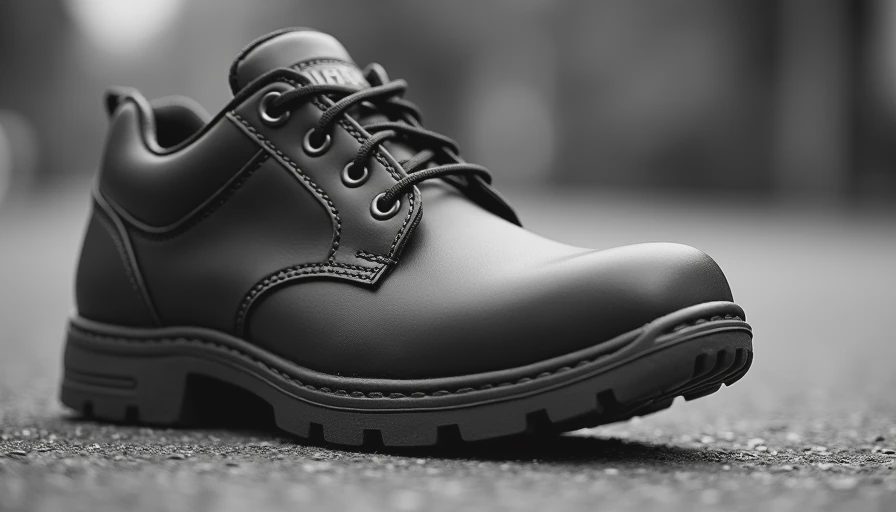
The outsole deserves as much attention as the toe cap. Slip-resistant rubber is useful on smooth concrete, oil-marked shop floors, and wet vehicle steps. Deep, widely spaced lugs shed mud better on trails, but they can feel clumsy indoors and trap gravel. A wedge sole offers a stable, comfortable walking platform for concrete and finished floors, while a lugged sole gives better bite in dirt and loose stone.
Water resistance is not the same as waterproofing. A treated leather upper may handle puddles, but repeated wet shifts call for a waterproof membrane and a gusseted tongue. Membranes can run warmer, so choose breathable mesh or ventilation panels if your work happens mostly indoors.
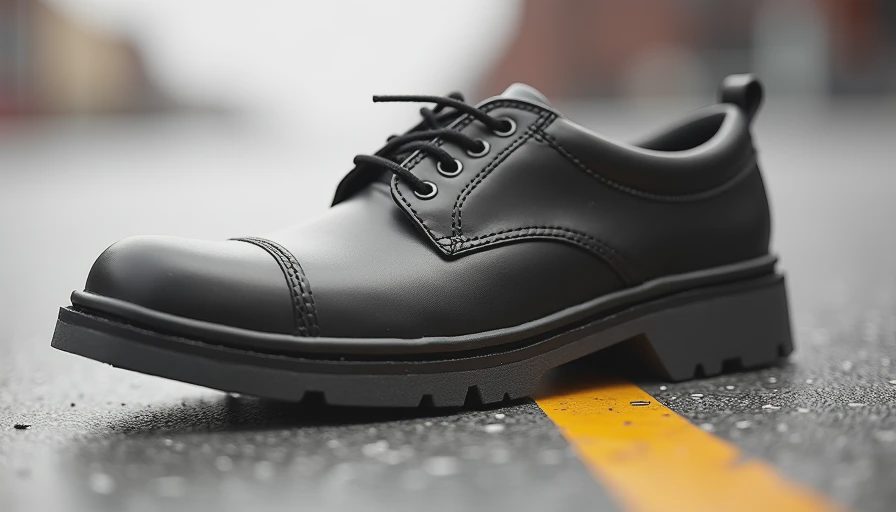
Models and price ranges worth considering
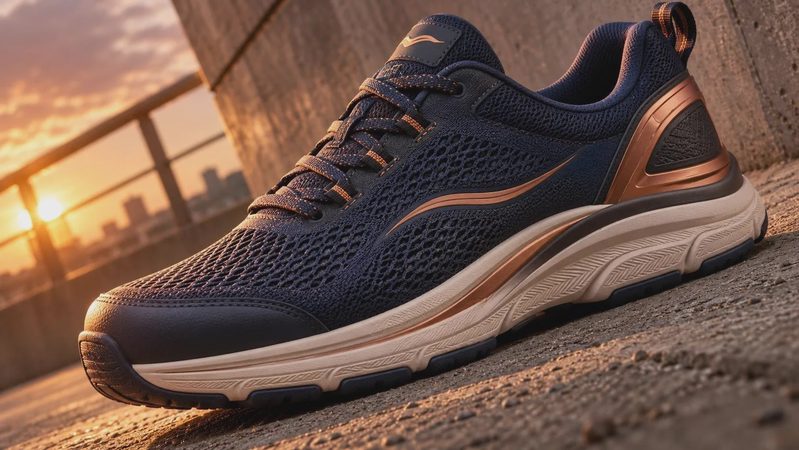
In the roughly $90 to $140 range, you can find practical comfortable steel toe shoes from Skechers Work, Caterpillar, and selected Timberland PRO models. These often favor sneaker-like cushioning and lighter uppers. They are sensible for warehouse work, maintenance, and delivery driving, but the mesh portions may not tolerate sharp brush, welding sparks, or constant mud.
Around $140 to $220, Keen Utility, Wolverine, and premium Timberland PRO options usually offer stronger construction, better footbeds, and more dependable outsoles. This is the range I would examine first for a worker who spends half the day indoors and half outside. Keen's roomier forefoot is helpful for broad feet, while Wolverine often provides a familiar work-boot feel with updated cushioning.
Above $220, you are paying for materials, resoling potential, specialized construction, or a particular fit. That can be money well spent if the shoe supports your feet through hundreds of shifts. It is not automatically a better purchase. A $110 shoe that fits correctly will outperform a $260 pair that gives you blisters by noon.
Breaking them in without wrecking your feet
Never make the first wear a twelve-hour shift. Use the shoes for short walks, errands, or a two-hour shop session. Change socks after the first few hours if your feet run hot. Merino-blend work socks help manage moisture and reduce friction, while thin cotton socks often bunch and stay damp.
If a hot spot develops, stop before it becomes a blister. Adjust the lacing, add a small piece of moleskin, or return to a shoe with a different shape. Do not force your feet to adapt to a safety toe that pinches. For leather models, gradual wear and ordinary conditioner can help the upper flex. Avoid soaking them to speed the process; that can damage adhesives and distort the footbed.
Inspect the sole after every week of heavy use. Look for smooth patches under the heel, separation at the toe, and cracks around flex points. Replace the insole when it stays compressed or develops a hard ridge. A new footbed can extend the useful life of a sound shoe, but it cannot repair a worn traction pattern.
My field test and final check
When I test comfortable steel toe shoes, I wear them for at least three full shifts and several miles on mixed ground. I climb, crouch, carry, and walk on pavement before making a call. I check whether the heel stays secure, whether the toe box remains comfortable after heat and swelling, and whether the outsole grabs wet boards without feeling unstable.
For a concrete-heavy job, I favor moderate cushioning, a stable heel, and a flatter sole. For outdoor utility work, I want stronger sidewalls, deeper traction, and enough structure to keep my foot from rolling on rock. Fireline work brings another concern: check the manufacturer's heat and exposure guidance. A comfortable work shoe is not a wildland fire boot, and no steel cap changes that distinction.
My Fire Line Scale is simple. A shoe that fits but lacks durability is Acceptable. One that handles a season of ordinary work is Serviceable. A pair that stays comfortable, grips reliably, and survives hard shifts earns Battle-Tested. The barrel does not lie, and neither do sore feet. Choose the pair you can still trust at the end of the day. Worn in fire. Proven in dirt.