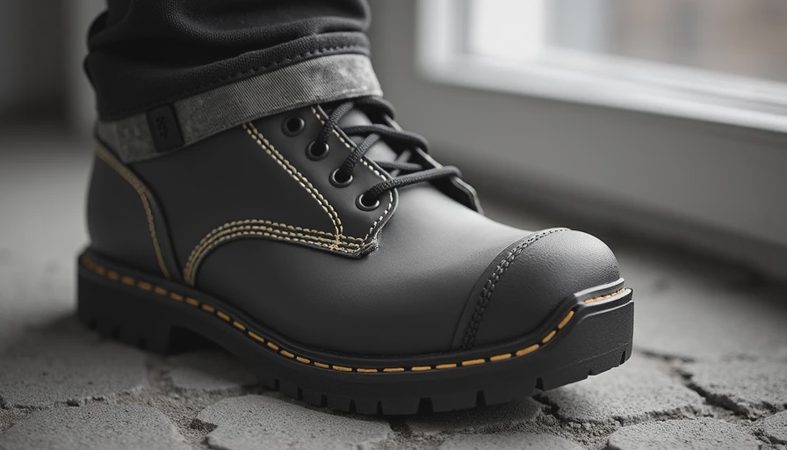
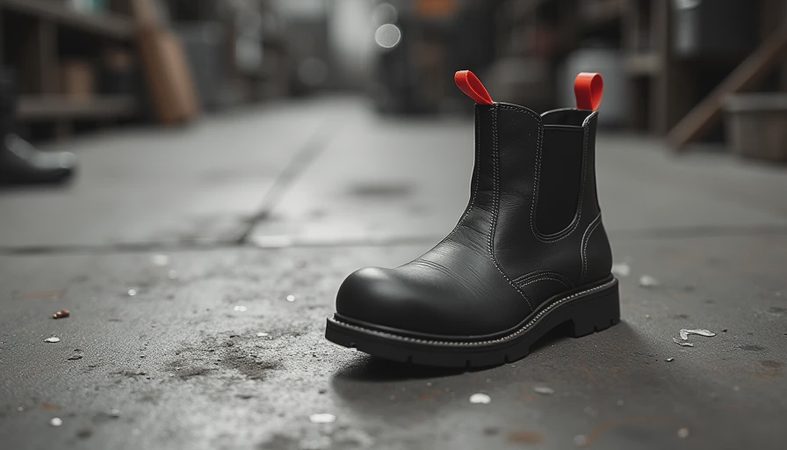
September 2018, Sawtooth Complex, hour 11. My boots were full of ash, my socks were damp, and one heel had started rubbing a hot spot into my foot. That is where the best steel toe work boots separate themselves from boots that only look tough online. A work boot has to carry weight, grip loose ground, protect your toes, and stay comfortable through a long shift. The box can promise all that. Your feet decide whether it is true.
I have spent enough time on fire lines, trail crews, and muddy job sites to know that no single boot fits every trade. A concrete finisher needs a different sole from a lineman. A ranch hand may prioritize waterproofing, while a shop mechanic needs oil resistance and a stable heel. The recommendations below focus on construction, materials, fit, safety, and the kind of durability you notice after the third hard shift.
What makes a steel toe boot worth buying
Start with the safety label, not the color or amount of leather. In the United States, protective-toe boots commonly carry an ASTM F2413 designation. That standard addresses impact and compression performance, but it does not mean every pair handles electrical hazards, punctures, or wet conditions. If your employer requires electrical hazard protection, look for that marking separately. A steel toe protects the front of the foot; it does not make the entire boot indestructible.
The toe box should leave room for your toes to spread without letting your heel lift. Try boots on late in the day, when feet are slightly swollen, and wear the socks you use at work. Leave roughly a thumb of space ahead of your longest toe. A tight boot often feels secure for ten minutes and punishes you by lunch. A loose boot creates heel slip, blisters, and poor control on ladders.
The best steel toe work boots also have a sole matched to the ground. Deep lugs help in mud and loose dirt but can feel awkward on smooth concrete. A flatter wedge sole gives steady contact in shops and warehouses, though it can pack with clay outside. Look for a firm shank, solid stitching, and a heel that does not collapse when you twist the boot by hand.
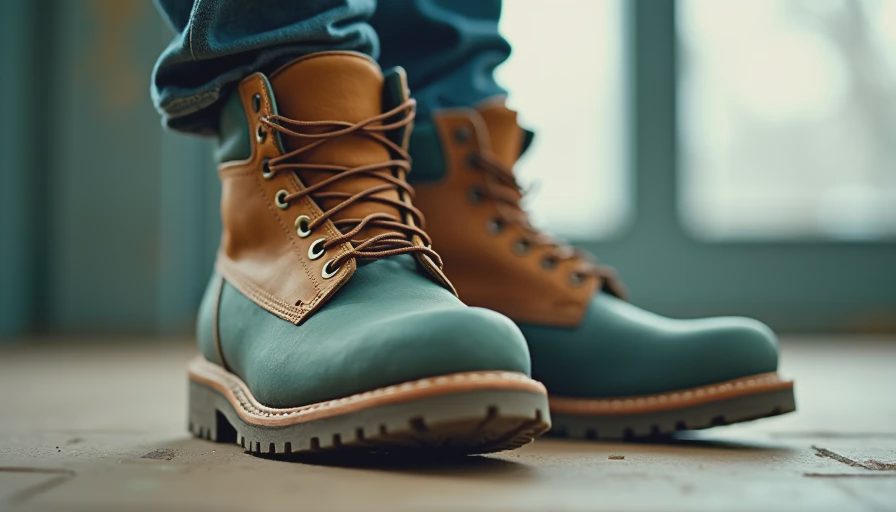
My short list for different crews
For general construction, logging, and outdoor utility work, the Thorogood American Heritage 6-inch Moc Toe is a strong starting point. Its wedge sole feels stable on boards and packed ground, and the leather breaks in without becoming floppy. It is not the right choice for deep mud or regular snowshoe travel, but it is comfortable for long standing shifts. Expect pricing commonly around $250 to $300, depending on the version and sale.
The Red Wing Traction Tred Lite is another practical option for people moving between concrete, gravel, and equipment yards. Red Wing offers several safety-toe configurations, so verify the exact model rather than assuming every Traction Tred has the same protection. The fit is structured, the outsole is useful on hard surfaces, and replacement or repair support is better than what you get from many disposable work boots. The cost often lands near $250 or higher.
For wet ground and hard weather, the Keen Utility Cincinnati is worth examining. Its roomy toe shape works for workers who find traditional safety toes cramped, while the waterproof versions help during rain, washdown work, and snow. The tradeoff is bulk. A waterproof safety boot can feel warm during summer digging, and soft upper materials may show wear faster around sharp steel and rough equipment.
Ariat Work and Wolverine also make credible safety-toe options, often at prices from about $130 to $220. Their catalogs are broad, so compare the ASTM rating, outsole compound, waterproof membrane, and heel height on the exact pair. The brand name alone tells you less than those details.
Breaking in the boot without breaking your feet
Do not take a new pair straight into a 12-hour shift. Wear them around the house first, then use them for short errands or a two-hour shop session. Pay attention to pressure at the little toe, rubbing behind the heel, and creasing across the steel cap. Minor stiffness is normal. Numbness, sharp pressure, or repeated heel lift means the fit is wrong, not that you need more patience.
Use a quality work sock with cushioning under the heel and ball of the foot. Merino blends manage moisture well in cool weather, while synthetic blends dry faster during summer work. Cotton socks absorb sweat and stay wet, which is a poor arrangement inside any safety boot. If your feet run hot, remove the insoles after work so the boot can dry fully overnight.
Lacing matters too. Keep the lower eyelets snug without crushing your toes, then lock the heel with a final eyelet or heel-lock method. That reduces sliding when walking downhill or climbing stairs. A $15 insole can improve comfort, but it cannot fix a narrow toe box or a boot that is two sizes too large.
Durability, maintenance, and real cost
Leather needs simple care, not a shelf full of products. Brush off grit after each shift, wipe away salt and concrete dust, and let wet boots dry at room temperature. Do not put them directly against a heater. Excess heat can shrink leather, weaken adhesives, and turn a comfortable boot into a rigid shell. Apply a conditioner when the leather looks dry, but avoid soaking the boot until it feels greasy.
Inspect the outsole, welt, eyelets, and toe cap every week. If the tread is worn smooth, traction is already compromised even when the upper looks fine. If the sole separates from the welt, stop treating the boot as reliable work equipment. Some Goodyear-welted boots can be resoled, while many cemented boots are cheaper to replace. A $280 boot used for three years can cost less per season than a $110 pair that fails every eight months.
The best steel toe work boots should also match your replacement plan. Construction workers who kneel around rebar may destroy toe leather quickly. Welders need protection from sparks and should consider a boot without exposed mesh or vulnerable fabric panels. Drivers and warehouse workers may prefer a lighter pair because they walk on flat surfaces for miles each week.
A five-minute buying check
Before paying, confirm the safety rating and required features for your workplace. Compare the actual weight of each boot, especially if you walk more than six miles per shift. Try both boots on with work socks and stand on a hard floor for at least ten minutes. Bend your knees, climb a stair, and check whether the heel stays planted. Look at the return policy because fit problems often appear only after several hours.
Then consider the ground, weather, and repair options. A waterproof boot is useful in persistent rain but unnecessary for a dry indoor shop, where breathability and a flexible sole may matter more. A lugged outsole is valuable on dirt and rock but can feel unstable on smooth ladders. Spend money on fit and construction before paying extra for decorative stitching or a famous logo.
If you want the best steel toe work boots for a mixed outdoor schedule, I would start with a comfortable leather pair, a proven slip-resistant outsole, and a safety rating that matches the job. Buy from a seller with straightforward returns, wear them gradually, and inspect them like equipment rather than fashion. The barrel does not lie, and neither do sore feet at hour ten.
For my Fire Line Scale, a good pair is Serviceable when it protects the toe and survives wet ground. It becomes Battle-Tested when the sole still grips, the heel stays secure, and the leather remains supportive after months of abuse. That is the standard I use before putting a boot on a crew recommendation. Worn in fire. Proven in dirt.