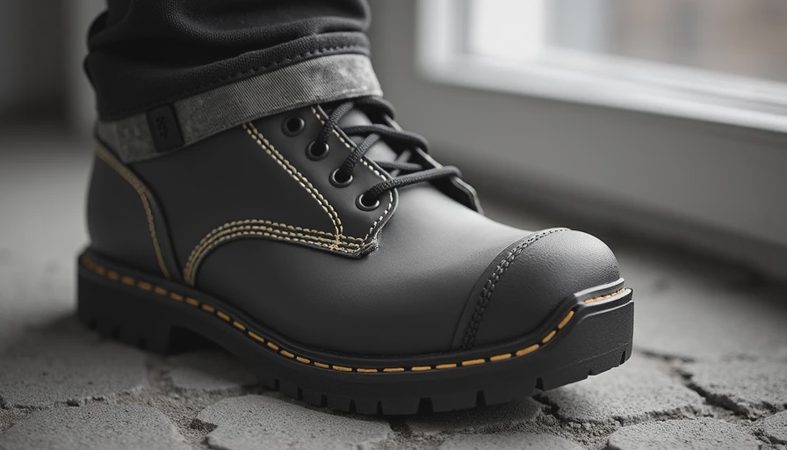
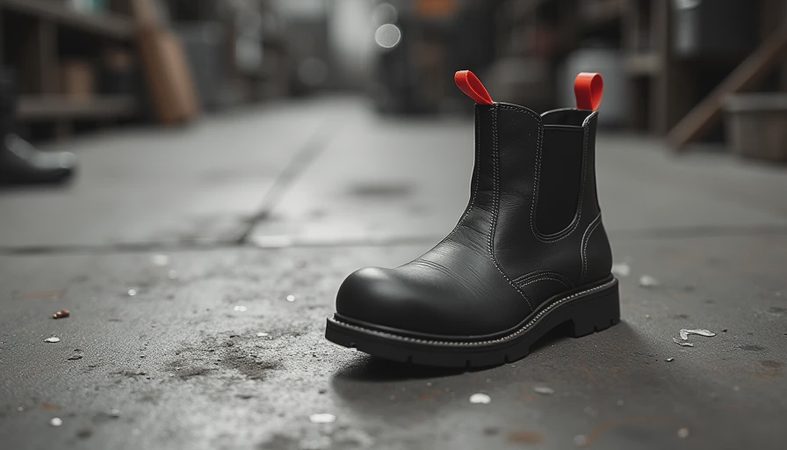
September 2018, Sawtooth Complex, hour 11: my right boot was full of fine ash, pine pitch, and enough sweat to float a horseshoe. That is when I started paying attention to the Wesco boots company. These are not boots built for a polished catalog floor. They come from Scappoose, Oregon, and their reputation was made in logging, utility work, wildland fire, and other jobs where footwear gets dragged through conditions that expose weak stitching fast.
I have spent enough years on fire lines to know that a boot can feel impressive for ten minutes and become a liability by hour eight. A tall shaft that rubs your calf, a sole that skates on wet granite, or a heel that loosens inside the counter will change your whole shift. The Wesco boots company earns attention because its boots are built around repairable construction, serious leather, and a fit that can be adjusted more carefully than most off-the-shelf footwear.
What the Wesco boots company builds differently
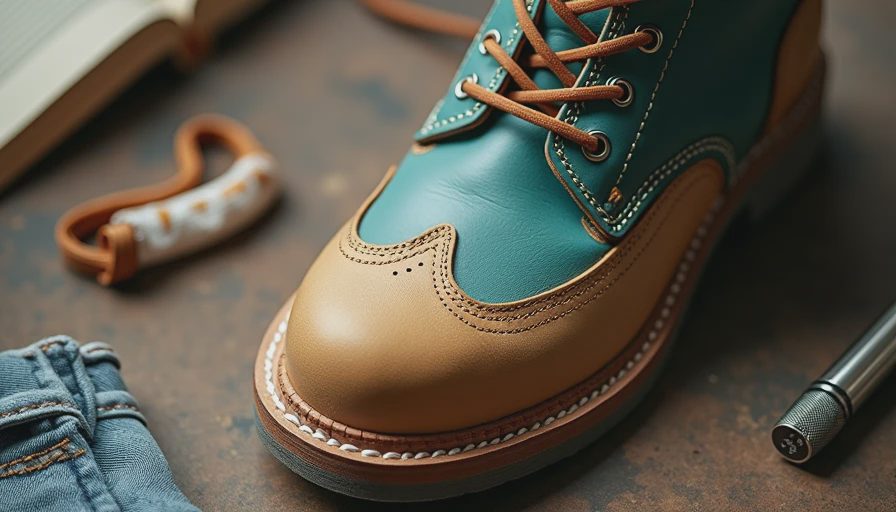
Wesco is best known for hand-built, stitchdown work boots. Instead of gluing a disposable upper to a molded sole, the boot’s upper, insole, welt, and outsole are joined through a construction designed for durability and eventual repair. That matters when a boot costs several hundred dollars. You are not only buying the first sole; you are buying a boot that can potentially be rebuilt instead of thrown away when the tread is gone.
The leather is substantial. Depending on the model and order, you will encounter roughout, smooth, oil-tanned, and other heavy work leathers. Thick leather takes longer to break in than a lightweight hiking boot. It can also resist abrasion from slash, shovel handles, truck beds, and sharp rock better than thin fashion leather. The tradeoff is weight. A pair of tall Wesco boots can feel like another tool hanging from each leg, especially during the first week.
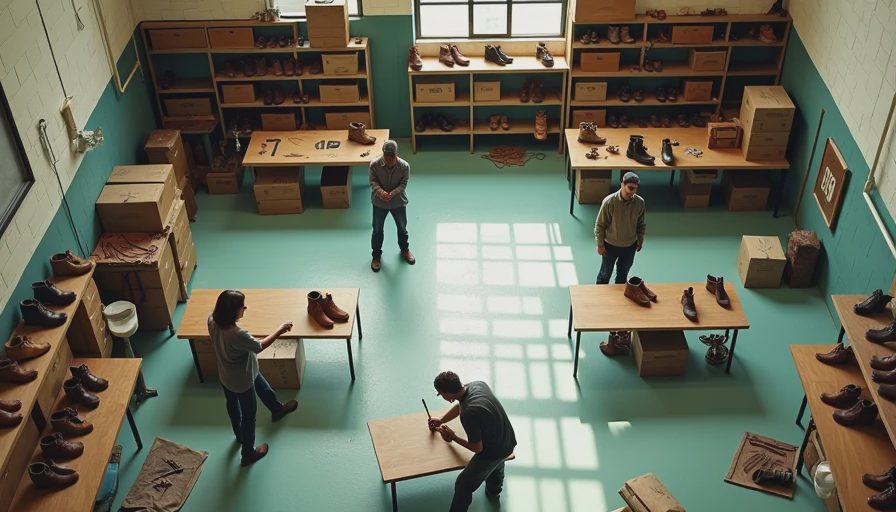
The company’s custom options are another part of the appeal. Height, leather, toe shape, sole choice, hardware, and fit details can be selected for the work at hand. That flexibility is useful, but it also means you need to understand your terrain before ordering. A logger’s tall, aggressive boot is not automatically the right choice for a trail crew member walking ten miles of mixed ground every day.
Fit, break-in, and daily comfort
The Wesco boots company does not build slippers. Expect a firm boot that needs time and repeated wear before the leather begins to follow your foot. I would plan on short walks, shop work, and several easy shifts before trusting a new pair on a steep fire assignment. Wear the socks you actually use at work, not a thin dress sock used to make a tight boot feel roomy in a store.
Proper sizing is the part you cannot shortcut. Your heel should stay seated without crushing your toes, and your forefoot should have enough room to swell during a long day. A boot that feels merely snug at 0700 can become painful by midafternoon. Wesco’s made-to-order approach can help with unusual foot shapes, but measurements need to be accurate. If you are between sizes or have one foot larger than the other, talk to the company or an experienced dealer before spending the money.
The break-in usually comes from flexing the ankle and letting the leather soften at pressure points. Do not soak an expensive boot in water and hope for a custom fit. That can damage adhesives, leather finishes, and footbeds. Use conditioner sparingly after the boot is clean and dry, then let the leather do the work over several weeks.
Which workers should consider them?
The Wesco boots company makes the most sense for workers who punish footwear and plan to keep it for years. Linemen, loggers, utility crews, mechanics, ranch hands, and some firefighters can benefit from a tall, supportive boot with a replaceable sole. Someone working around a sawmill or heavy equipment may value the structure and toe protection more than a lighter hiking design provides.
For trail work, surveying, or backcountry patrol, model selection becomes more important. A lower or moderately tall boot with a lugged Vibram outsole can offer useful traction without the stiffness of a full logging boot. A tall boot can protect the lower leg from brush and debris, but it also adds heat and fatigue. If your daily route includes long miles and little climbing, a lighter hiking or mountaineering boot may be more efficient.
Do not confuse durability with universal comfort. A concrete finisher standing on hard floors may prefer a different sole than a timber worker climbing uneven ground. A smooth or shallow-lug sole can be easier on indoor surfaces, while a deep lug pattern gives better purchase in mud but tracks more dirt and can feel clumsy on ladders.
How they hold up in real field use
My standard is simple: can I forget about the boot long enough to do the job? Good work boots disappear into the task after the break-in. Bad ones make you think about every step. The Wesco boots company designs tend to provide strong ankle support and a planted feel when carrying a saw, pack, or hose line. That stability is valuable on loose slopes and uneven ground.
The same stiffness that helps on side hills can feel excessive on flat ground. You will notice it climbing in and out of a truck, kneeling, or walking pavement. The leather also needs maintenance. Brush off grit, dry the boots away from a wood stove or heater, and inspect the welt and stitching regularly. Heat can shrink leather and weaken components faster than ordinary field use.
A sole replacement is not a failure; it is part of the ownership plan. Before buying, ask about current rebuild options, turnaround time, and shipping costs. A quality rebuild can cost well over $100, but that is still different from replacing a $400 to $600 boot every year. Prices depend on configuration, and custom work can push the total higher.
Price, value, and what to inspect
The Wesco boots company occupies the premium end of American work footwear. The purchase makes sense when you need a boot for demanding work and expect to maintain it. It makes less sense for occasional yard work, weekend camping, or a job where footwear is replaced before it has time to break in.
Before ordering, inspect the last, toe profile, sole compound, and boot height. Ask whether your job requires a safety toe, electrical hazard protection, or a specific workplace approval. Those features are not interchangeable, and a leather boot should not be treated as certified protection unless the exact model carries the appropriate rating.
When the boots arrive, check both feet, the welt stitching, eyelets, hooks, heel alignment, and sole bond. Walk indoors on a clean surface first. Keep the packaging until you know the fit works. A careful inspection on day one is cheaper than discovering a pressure point after a 14-mile patrol.
The verdict from the barrel
The Wesco boots company builds serious footwear for people who would rather repair a good boot than replace a cheap one. They are heavy, expensive, and slow to break in. Those are not hidden flaws; they are the cost of a boot built with more leather and more structure than a mass-market work shoe.
On the Fire Line Scale, I rate the right Wesco configuration Battle-Tested, with Barrel-Ready potential when the leather, sole, and fit match the job. They are not the answer for every worker, and no brand can fix a poor size choice. But if your days involve dirt, steep ground, machinery, or repeated abuse, this is one of the few boot purchases that can become part of your long-term kit instead of another disposable expense. Worn in fire. Proven in dirt.