The Challenge of Shoulder Season
Early spring is one of the trickiest times. You start the day cold enough to see your breath, then spend the afternoon sweating under direct sun while still dealing with wet snow and mud. Getting this wrong means starting the day miserable and ending it soaked and chilled.
My Proven Spring Layering System
Base Layer:
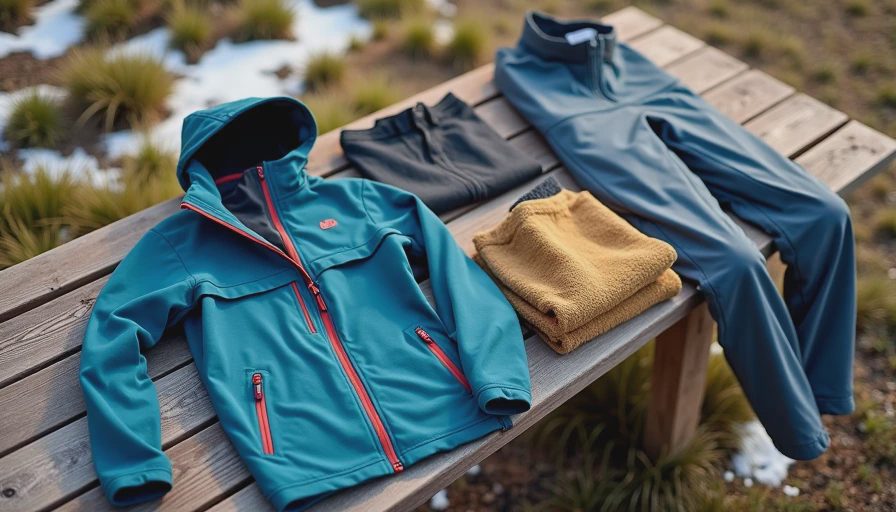
Merino wool midweight top and bottoms. They handle the temperature swings better than anything else I’ve tried. The natural fibers keep working even when damp from morning frost or afternoon sweat.
Mid Layer:
A versatile wool or grid-fleece shirt that can be easily vented or removed. Something with good arm mobility for saw work or digging.
Outer Shell:
A lightweight softshell jacket with decent wind resistance and some water repellency. Not a full hardshell — you want breathability during active periods. I keep a packable rain shell in my pack for sudden weather changes.
Pants:
Durable work pants with good mobility. FR canvas that can handle kneeling in mud and snow. I sometimes add lightweight rain pants over them during wet mornings.
Head and Hands:
Wool beanie that stuffs easily in a pocket
Lightweight gloves for morning, heavier work gloves for later
Neck gaiter for wind protection
Feet:
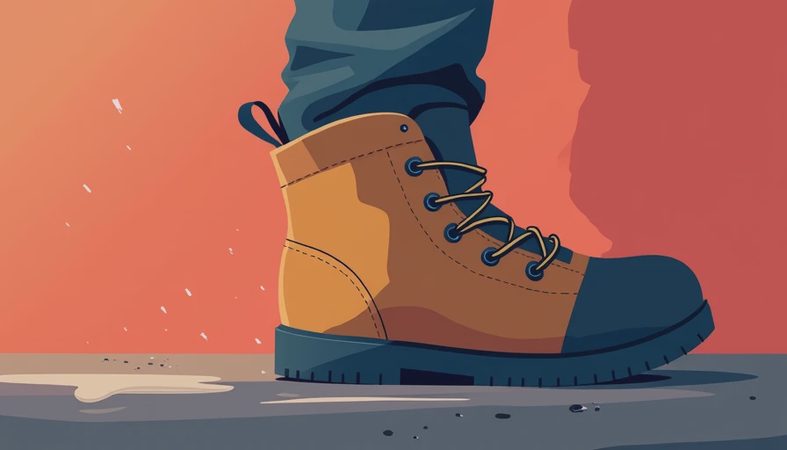
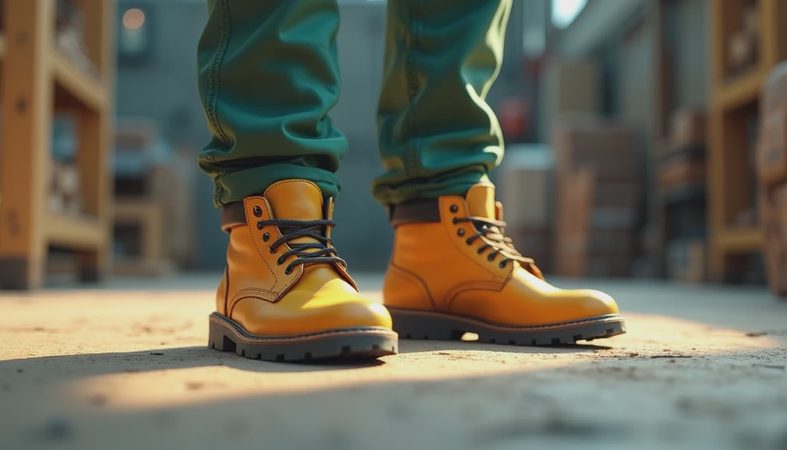
Wool socks with good boots. In early spring I often use slightly heavier socks and make sure my boots have solid waterproofing.
How to Adjust Throughout the Day

0600: Full layers including beanie and gloves. Start moving to generate heat.
0900-1100: Ditch the mid layer or open everything up as the sun comes out and you start working hard.
Noon: Often down to base layer + softshell or even just base layer if it’s warm. Keep the shell handy.
Afternoon/Evening: Start adding layers back as the temperature drops again.
The key is staying proactive. It’s easier to add or remove a layer before you get too hot or cold.
Packing and Gear Considerations
Always carry a small pack with:
Extra pair of wool socks
Packable rain shell
Headlamp
Basic repair kit
High-calorie snacks
Weight adds up, but being properly prepared prevents bigger problems.
Common Mistakes I See
Wearing too much cotton — it holds moisture and gets heavy.
Committing to one heavy jacket instead of versatile layers.
Forgetting that mornings and evenings are still winter-like.
Not accounting for how hard physical work affects your temperature.
Why This System Worked for 15 Seasons
It’s flexible, repairable, and based on natural fibers where they perform best. I stayed functional and relatively comfortable through hundreds of shoulder season shifts with this approach.
Spring will always be unpredictable. The right layering system turns those challenges into manageable conditions instead of suffering.
Dress for the day you’re actually having, not the one the forecast promised.
Worn in fire. Proven in dirt.