The Problem I’ve Seen Too Many Times
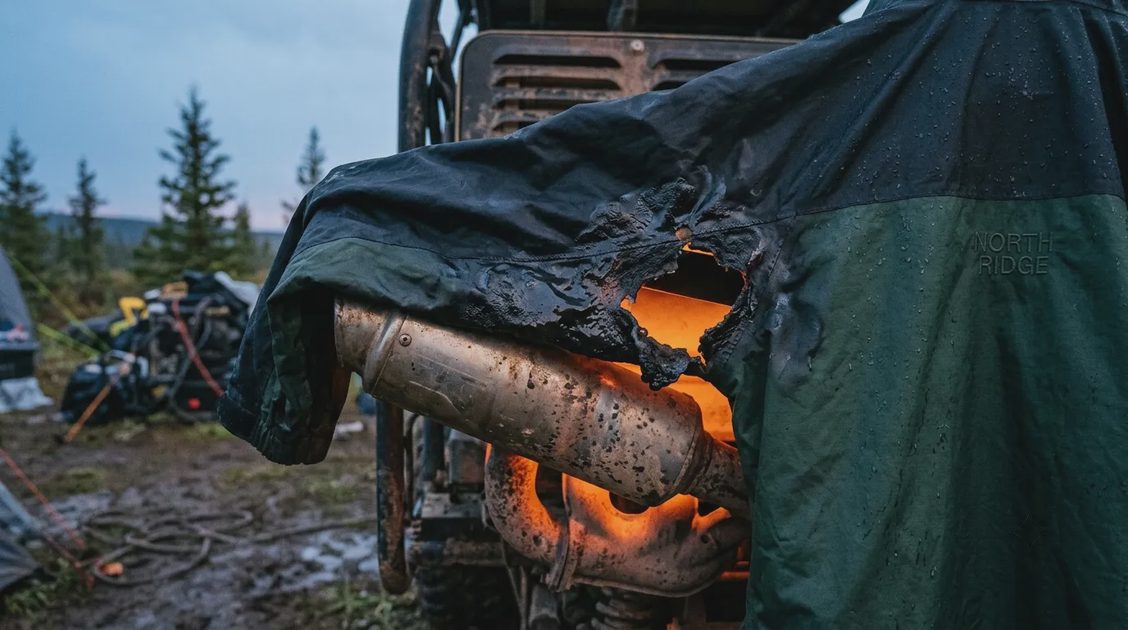
You’re standing next to the engine rigging hose or taking a quick break, and suddenly your expensive rain jacket starts softening and melting. This is incredibly common and completely preventable.
Why It Happens
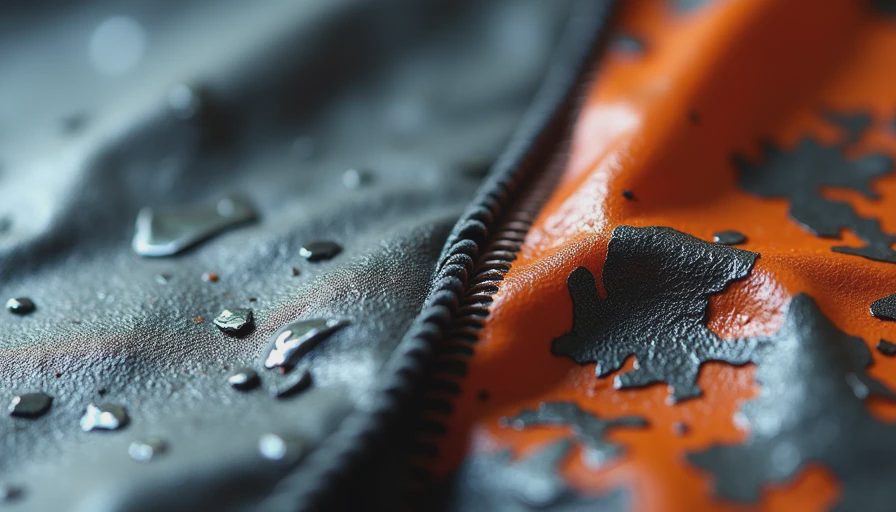
Modern rain jackets use polyurethane or similar membranes for waterproofing. These materials have relatively low melting points. Engine exhaust can easily hit 150–200°F or higher, especially near the manifold or when idling.
The combination of heat + any sparks or embers = disaster. Many jackets also have synthetic outer shells that melt or burn readily once the membrane fails.
Real-World Examples
I’ve watched guys lose jackets on the fire line because they leaned against a hot engine compartment. I’ve seen jackets fail in the barrel when exposed to similar heat levels. The failure is fast and dramatic — melting plastic, dripping material, and compromised protection.
What to Wear Instead
For Light Rain / Mist:
Wool or wool-blend softshells
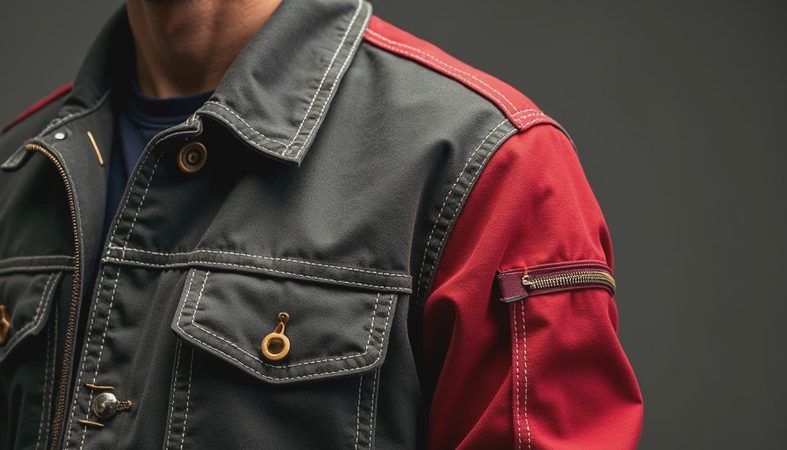
Heavier canvas work jackets with good wax or DWR treatment
FR-treated garments designed for industrial use
For Serious Rain:
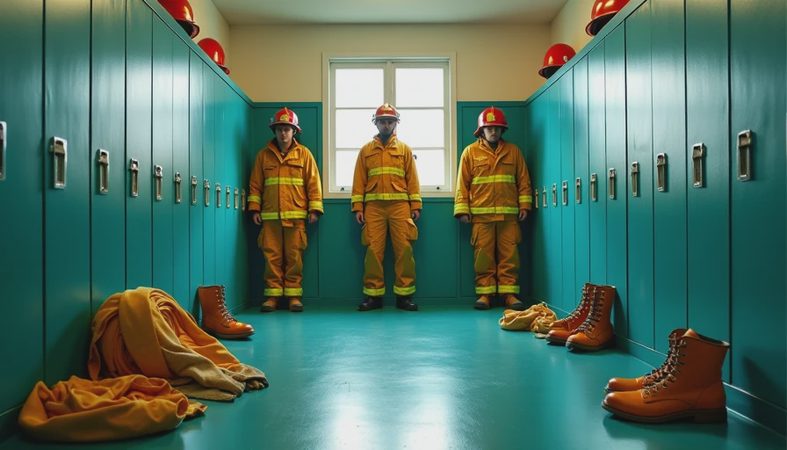
True FR rain gear specifically rated for wildland use
Layered system with breathable but heat-resistant outer shell
Avoid fashion-oriented technical shells for engine work
My Go-To System:
Lightweight wool base + mid layer + durable softshell for most conditions. Packable FR rain shell for heavy downpours. This keeps me protected without the melting risk.
Key Features to Look For
High melting point fabrics
True flame resistance (not just treatment)
Good breathability to prevent overheating
Reinforced areas near high-contact zones
Simpler construction without too many delicate membranes
Lessons Learned
Price doesn’t always equal performance in this category. Some expensive technical jackets fail faster than basic workwear when heat is involved.
Always consider your full work environment. If you spend significant time near vehicles or equipment, prioritize heat resistance over maximum waterproofing.
Test gear before you need it. A quick barrel test or careful observation near the engine can reveal weaknesses.
Better Alternatives I Recommend
Look for wildland-specific rain gear from manufacturers who understand fireline realities. Some heritage workwear brands also make excellent options that balance weather protection with heat resistance.
Sometimes the best solution is simply layering and accepting that you’ll get a little wet rather than risking a melting synthetic disaster.
The Bottom Line
Your rain jacket shouldn’t become a liability next to an engine. Choose gear that understands the full reality of outdoor work — including heat, sparks, and long shifts.
Protect yourself with smart choices, not marketing labels.
Worn in fire. Proven in dirt.