The Synthetic Promise vs Reality
The marketing is seductive: moisture-wicking, odor-resistant, lightweight, fast-drying miracle fabrics. I bought it for years. Then I spent enough time in them during multi-day fire assignments to see the truth.
What Went Wrong With Synthetics
The biggest issue is stink. After two or three hard shifts, synthetic base layers develop a smell that no amount of airing out fully removes. On a 14-day roll, that becomes a serious morale killer.
They also get clammy. When you’re working hard and then stop, the sweat stays against your skin in a cold, sticky layer. Not pleasant when you’re already exhausted.
Pilling and wear were another problem. The fancy “technical” fabrics often developed little balls and thin spots right where backpack straps and harnesses rub.
The Merino Difference
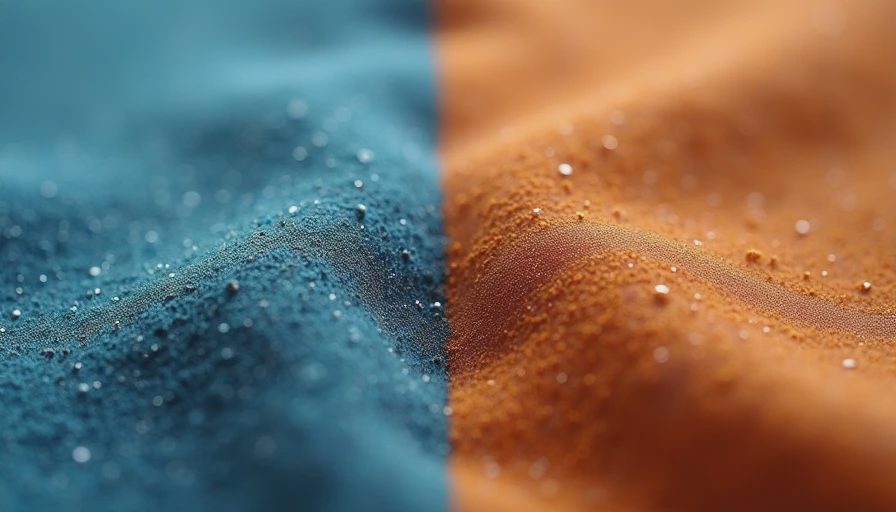
I went back to quality merino wool blends (typically 80-100% merino with a bit of nylon for durability). The change was immediate and dramatic.
Odor Control
Merino genuinely resists odor. I could wear the same merino shirt for a full week of hard work and it still smelled acceptable. This is game-changing on long assignments.
Temperature Regulation
Merino keeps you warmer when it’s cold and cooler when it’s hot. It actively manages moisture better than most synthetics. Even when damp, it doesn’t feel cold and clammy against your skin.
Durability
Good merino holds up surprisingly well. The natural crimp in the wool fibers gives it natural stretch and recovery that synthetics often lose over time.
Comfort
There’s simply no comparison in how it feels. Soft, non-itchy (modern merino), and it moves with you instead of clinging or bunching.
Field Performance Over Multiple Seasons
I tested merino through:
Hot, smoky summer fires
Cold, wet spring starts
Multi-day assignments with no laundry
Situations where I was soaked in sweat then hit with night cold
The merino performed better in every scenario. My crew even noticed I complained less about being uncomfortable.
Cost and Care Considerations
Yes, good merino costs more upfront. But because it lasts longer and you don’t need to replace it as often, it evens out. Plus, you can wear it longer between washes, saving time and water on the road.
Care is simple: gentle wash, air dry. Avoid high heat dryers and fabric softeners.
When Synthetics Still Make Sense
I still use some synthetic pieces for very specific situations — ultralight backpacking where every ounce counts, or as a quick-drying layer in extremely wet conditions. But for daily fire line use, merino wins.
My Current Base Layer Setup
Heavyweight merino for cold starts
Midweight for general use
Lightweight merino T-shirts for hot weather
All paired with the right mid and outer layers as conditions demand.
The Takeaway
“Technical” sounds impressive until you live in the clothes for days on end. Sometimes the oldest solution — natural merino wool — is still the best for real-world performance.
Stop chasing the newest synthetic miracle. Get good merino. Your nose, your skin, and your comfort level will thank you.
Worn in fire. Proven in dirt.