The Truth No Marketing Sheet Will Tell You
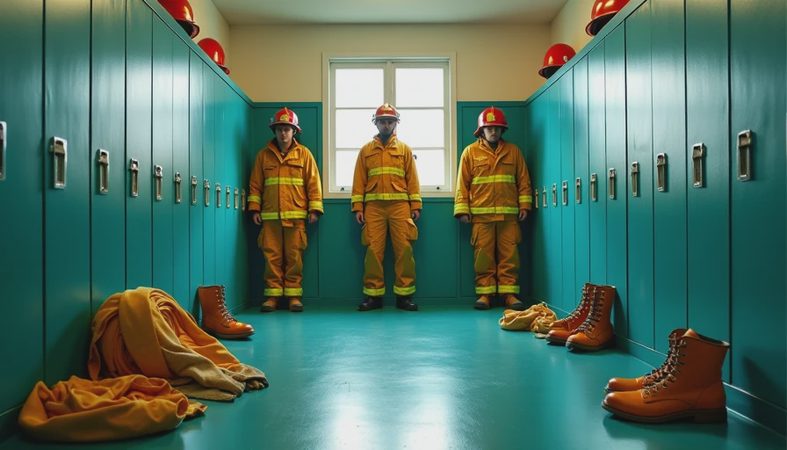
I’ve stood on a ridgeline at 2 a.m. watching a fire crown while my rain jacket started softening like cheap plastic near the engine exhaust. That moment taught me more about gear than any spec sheet ever could. After 15 seasons fighting wildfires across Montana, Idaho, and Oregon, plus three years patrolling the Bitterroot backcountry on foot and horseback, I decided to start calling it like I saw it.
Most gear review sites are run by guys who unbox packages under studio lights. I test pants by crawling through burn scars and jackets by wearing them through three-shift days when the only break is a lukewarm cup of coffee from a steel thermos. Welcome to Worn In Fire.
How It All Started: From Crew Boss to Gear Critic
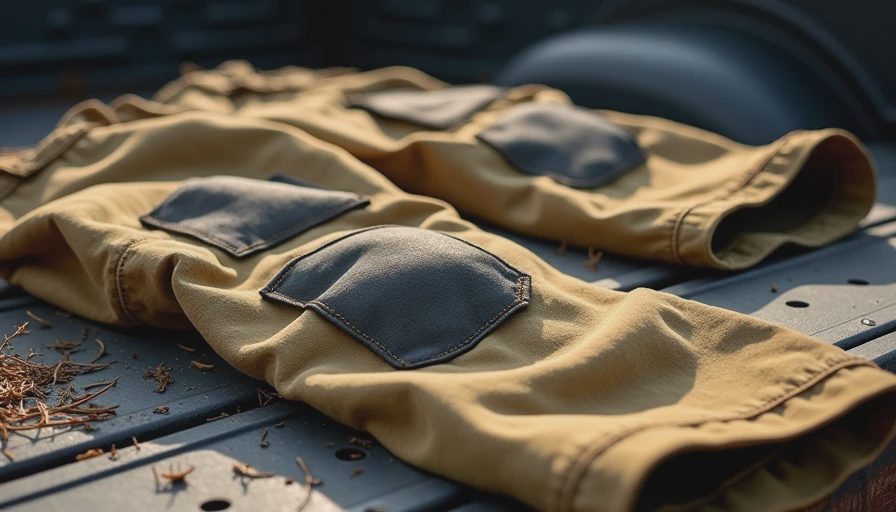
Back in 2018 on the Sawtooth Complex, my old pair of work pants split right along the crotch seam while I was cutting line. Nothing dramatic — just an annoying draft and a lot of swearing. That night around the crew buggy, half a dozen guys started trading boot and glove horror stories. Turns out we were all quietly frustrated with the same problem: gear that looked bulletproof on the rack but couldn’t survive real work.
After a falling snag put me in a back brace and forced a career pivot, I realized I could keep helping crews the same way I always had — by telling them what actually works. No affiliate fluff. No “game-changing” nonsense. Just honest field notes from someone who’s worn it when the stakes were real.
What “Tested on the Fire Line” Actually Means
When I say a pair of pants lasted 90 days on an engine, I mean I wore them through:
14-hour shifts dragging hose
Crawling through ash and sharp granite
Knee-deep mud during spring runoff
Engine exhaust heat that hits 180°F+
I don’t review anything until it’s seen at least three full shifts or 30 rugged trail miles. Then, if it fails, it meets the 55-gallon burn barrel in my backyard. The barrel doesn’t lie. Neither do I.
Why Regular Guys Should Care
You don’t have to be a wildland firefighter to benefit from this kind of testing. Construction crews, linemen, surveyors, ranch hands, trail maintenance workers — anyone who spends their days in the dirt and weather needs clothes that don’t quit before the job is done.
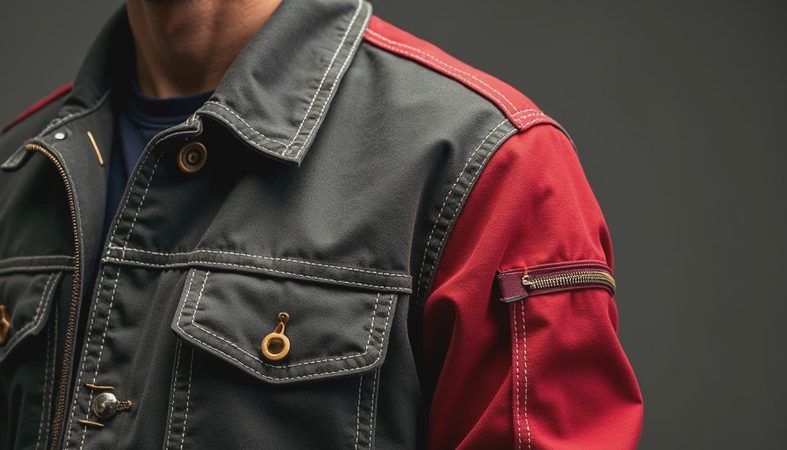
I’ve seen $400 “technical” jackets fail faster than a $90 pair from a catalog because the marketing team never wore them next to actual fire. I’ve watched supposedly flame-resistant shirts smoke and shrink while good old cotton duck held its shape. These aren’t theoretical failures. They’re the difference between finishing your shift dry and comfortable versus heading back to the truck with blisters and frustration.
The Barrel Doesn’t Lie — And Neither Does Experience
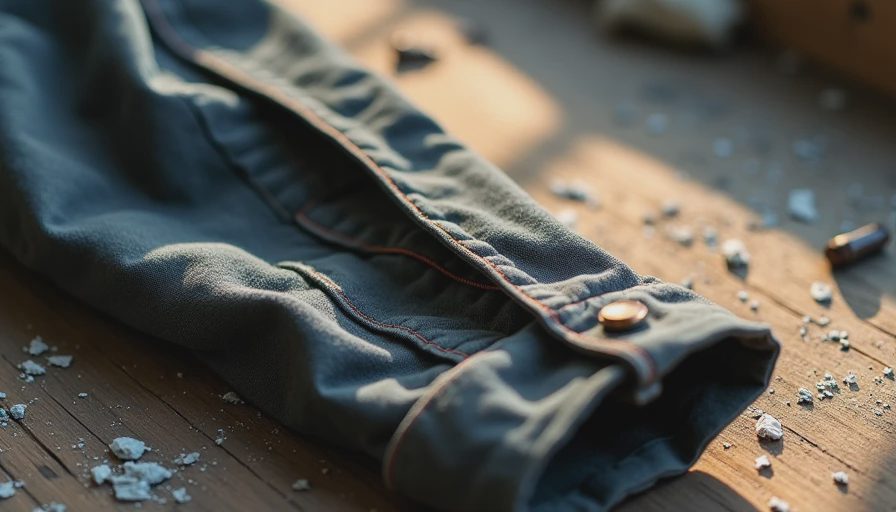
My testing philosophy is simple: if it can’t handle the fire line or the burn barrel, it doesn’t get my recommendation. I’ve torched plenty of “premium” gear that looked impressive until the first real flame hit it. The results are often surprising, and sometimes embarrassing for the brands.
But I’m not here to trash everything. When something earns its seams — when the stitching holds after months of abuse, when the fabric breathes during hard work but still blocks wind and rain — I’ll shout it from the rooftops. Or at least write about it here.
What You’ll Find Here
On this site you’ll get:
Fire Line reviews based on actual use, not showroom impressions
Burn Barrel tests that show exactly what survives real heat
Boots On deep dives because your feet carry you through every shift
The Rig — practical layering systems that work from 25°F mornings to 65°F afternoons
Shop Talk — how to patch, repair, and extend the life of good gear
Everything is written the way I’d brief a crew at 0530: clear, direct, and useful. No fluff. No hype.
The Bottom Line
I’m not here to sell you clothes. I’m here to help you avoid wasting money on gear that won’t hold up when you need it most. After 15 years wondering why my rain jacket melted or why my boot soles separated at the worst possible moment, I decided to do something about it.
If you work hard outdoors, your clothes should work just as hard. That’s the standard I test against. That’s the promise I make to every reader.
Worn in fire. Proven in dirt.