If you're in the market for mens work boots, you've seen the range: $79 specials at the big-box store, $400 European logger boots, and everything between. I've put more boots through fire season than I can count, and I've learned that price doesn't tell you where a boot will fail. The spec sheet doesn't mention how the sole reacts when you're walking on a scorched hillside at 2 p.m. in August. So let's talk about what really matters when you're buying mens work boots: the leather, the welt, the outsole, and the fit that actually protects your feet for a 16-hour shift.
What I Look For in a Pair of Mens Work Boots
Start with the leather. A good work boot uses full-grain, 2.0 to 2.5 millimeter leather. That's the difference between a boot that molds to your foot and one that folds over at the ankle. Next is the welt, the strip that connects the upper to the sole. You want a Goodyear welt or a stitchdown construction so the sole can be replaced. Most cheap mens work boots are glued, and when the glue lets go, the whole boot is done.
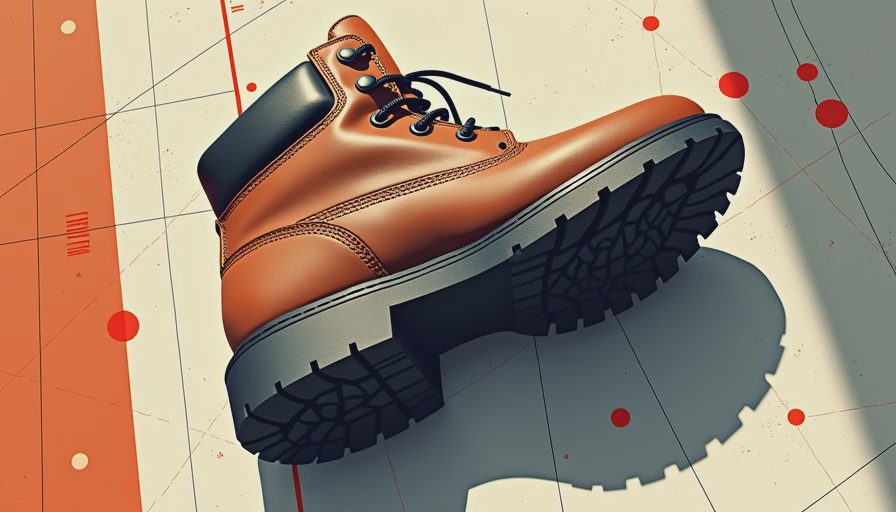
The outsole matters, too. Vibram lug soles are great for steep, rocky ground. Wedge soles are easier on your knees on hard surfaces, but they catch less on loose dirt. If you're running a chainsaw, get a steel or composite safety toe. Composite keeps your feet warmer; steel transfers cold. Both meet the same standard, so choose based on your work and climate. More lugs doesn't mean more grip — mud packs into the tread, and suddenly you're walking on slick rubber.
The Big Three: White's, Red Wing, and Danner
White's makes the Smokejumper, the boot built for wildland fire. It's a heavy, stitchdown logger with a thick leather heel, and it costs around $450. On a hotshot crew, that's the standard. Red Wing's work line, like the Iron Ranger, runs $250 to $300. They're tough, comfortable after break-in, and hold up to mud and concrete. Danner's Quarry is lighter, around $270, and it's a solid pick for construction and road work.
I don't recommend grabbing the cheapest pair of mens work boots at the outlet and expecting them to last a season. They won't. I've worn through three $80 boots in one summer. A good $250 boot, with a resole every couple of years, will keep working past the point where those disposable pairs have hit the burn barrel. The White's gives you better arch support; the Red Wing is easier to find and resole. Pick the one that fits your foot, not the one your crew leader wears.
Lace-Up vs. Pull-On: Match the Boot to the Ground
Lace-ups give you ankle support and a snug fit over the instep. That's what I want when I'm carrying weight on uneven slopes. Pull-ons are easier to get on and off, and you don't have to worry about laces catching on brush. They shine on flat ranch ground or in the machine shop. For fire and trail work, I'll take lace-ups every shift. The trade-off is time: lacing up takes a minute, and if a lace breaks at hour nine, you need a spare.
If you're buying mens work boots for mixed use, go lace-up. The fit of the heel matters more than the brand. If your heel lifts inside the boot, you'll rub the liner out and kill the boot from the inside. When you try on a pair, pin your heel back with tape if you have to, and make sure the boot grips without squeezing.

Breaking In Mens Work Boots Without Destroying Your Feet
New boots are stiff. That's not a defect, it's the leather. You can speed up the break-in without turning your feet into hamburger. First, condition the leather with Obenauf's or Huberd's before you wear them. Then wear the boots for short stretches around the house, adding a little more time each day. On the job, use moleskin on your heels and good wool socks. Keep the laces snug but not tight over the instep. Never soak a boot in water to break it in. That weakens the leather.
Just be patient. A quality pair of mens work boots takes about two to three weeks of daily wear before they feel like part of your body. If they still torture your feet after a month, they're the wrong shape. Don't suffer. Sell them and try a different last.
When a Boot Is Barrel-Ready
The 55-gallon burn barrel in my backyard is the final test. When a boot's sole separates from the welt or the leather cracks straight through, it's time to retire it. I've put more than a few failed boots in the barrel over the years. The barrel doesn't lie. But the right pair, with regular cleaning and a resole when the tread wears down, can last years. Resole a good boot every couple of years and you're looking at $80 to $120. That beats $160 a year for cheap boots that fall apart.
Bottom Line on Mens Work Boots
I've seen the cheapest boots fail on the line and the most expensive fail because they never got resoled. The mens work boots that earn their keep are the ones that fit your foot, match your terrain, and are built to be rebuilt. Don't buy on brand hype. Buy on construction and fit. And if you want a model-by-model breakdown, dig into the Boots On section here. That's where I post the ones that survive — and the ones that light up.
Worn in fire. Proven in dirt.