Why Gloves Are So Controversial
Everyone has strong opinions. Some guys want maximum dexterity and don’t mind replacing gloves weekly. Others want tank-like protection and accept the bulk. Finding the right balance is tricky.
The Main Categories I’ve Tested
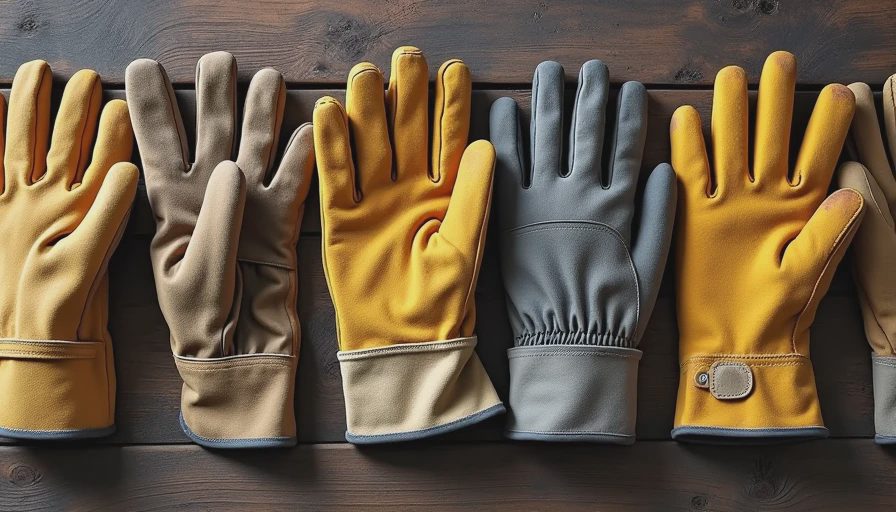
Leather Work Gloves:
Traditional, durable, good for heavy tasks. They develop character and can be reconditioned.
FR Rated Tactical Gloves:
Popular with newer crews. Often too hot, not durable enough in real abrasion.
Liner + Shell System:
Thin liner gloves with heavier outer gloves for versatility.
Specialty Options:
Cut-resistant, insulated, or extrication-specific gloves for particular needs.
What Performed Best in Real Use
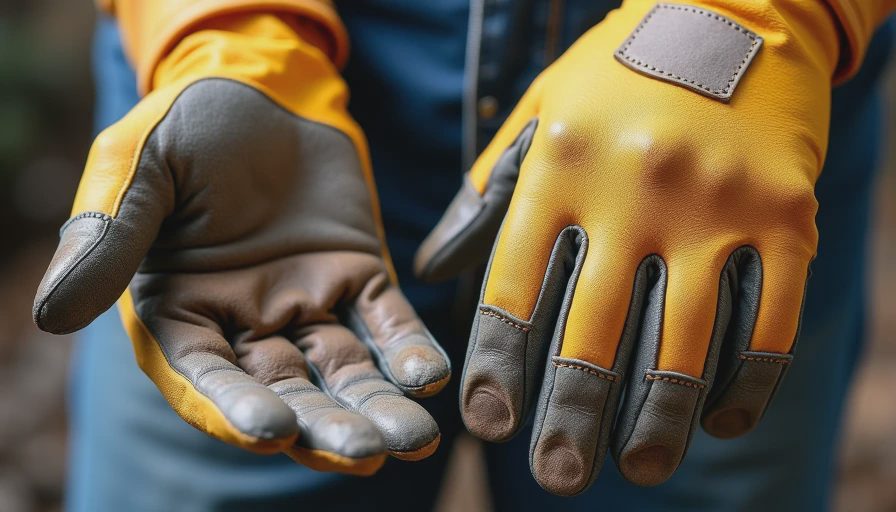
For general fire line work, a good pair of leather gloves with reinforced palms still wins for most tasks. They breathe better than synthetic alternatives during hard work and provide reliable protection from heat, abrasion, and sharp objects.
I carry two pairs:
A lighter pair for dexterity tasks like running the saw or handling small tools.
Heavier gauntlet-style gloves for direct fireline work and hot tasks.
The key is having options and knowing when to switch.
Important Features That Matter
Palm Material: Quality leather or leather/synthetic hybrids that grip well when wet.
Dexterity: Enough flexibility to operate tools without constant removal.
Heat Resistance: Ability to handle brief contact with hot surfaces.
Durability: Reinforced areas in high-wear zones.
Fit: Snug but not restrictive. Loose gloves are dangerous around machinery.
Common Failures I’ve Seen
Synthetics melting or burning through too easily
Seams failing at the fingers
Poor breathability leading to sweaty hands and loss of grip
Overly bulky designs that reduce control
My Current Rotation
Daily driver: Quality cowhide gloves with Kevlar reinforcement in key areas
Cold weather: Insulated leather with removable liners
Saw work: Thin but tough mechanics gloves under light leather
I replace them when the palms get too thin or seams start failing — usually every 2-4 months depending on intensity of use.
Advice for New Crew Members
Don’t buy the cheapest gloves. Don’t buy the most expensive “tactical” ones either. Find a middle-ground leather pair from a brand that understands work, not just military cosplay.
Buy a few pairs and test them. Your hands will tell you quickly what works.
The Bottom Line
Gloves are personal. What works perfectly for one guy might annoy another. The important thing is finding reliable protection that doesn’t compromise your ability to do the job safely.
Listen to your crew, but trust your own hands most of all.
Worn in fire. Proven in dirt.