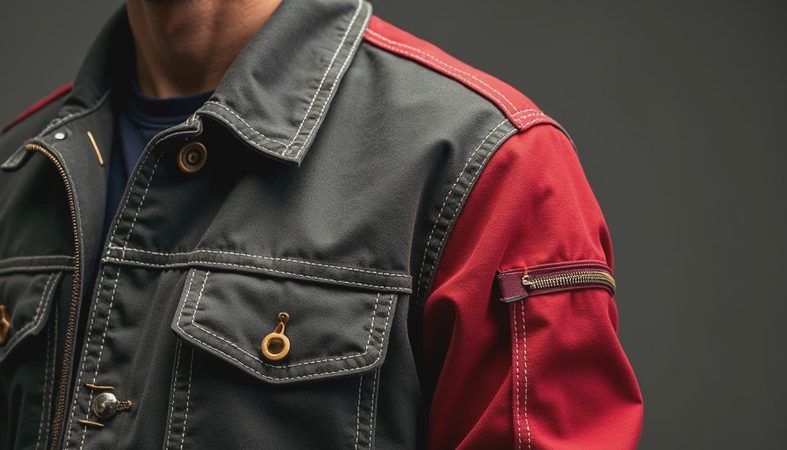
September on a dry crew teaches you what fabric is worth. black work pants earn their keep because they hide soot, chain oil, brake dust, and the kind of knee grime that makes tan pants look cooked by noon. I remember one shift near the Lolo drainage when a pair of khakis looked like they had been dragged behind the rig, while the dark pair just looked worked. Color does not fix a weak seam or a bad rise, but it does buy you time before the pants look tired. If you want one pair that can go from a morning briefing to a greasy repair to a gas stop on the way home, this is the lane.
Why black work pants stay in rotation
I like black work pants for crews that bounce between shop duty and field work. They look cleaner longer, and they do not turn every speck of paint or mud into a billboard. On trail crews, they also read a little less formal when you are meeting a landowner or a client at the gate. The tradeoff is heat. In full sun, black can run warmer than gray or khaki, especially if the cloth is thin and cheap. That is why I care more about weave and weight than the color chip. A good dark pant still has to breathe, flex, and keep its shape after a week of hard use. A bad one fails fast and makes the color point pointless.
What I look for in black work pants
The best fitting pants disappear when you climb into a loader, squat at a fence line, or step over hose bundles. That means room in the thigh, a waistband that stays flat, and pocket openings that do not dump screws into the cab. I like a reinforced front pocket if I carry a knife, marker, or tape. Hammer loops are useful for carpenters and useless for a lot of everyone else, so do not pay extra for trim you will never use. If the leg opening is too wide, mud and sparks find their way in. If it is too tight, you fight the pant every time you kneel. This is where a lot of dark workwear earns a permanent slot in the truck or gets shoved to the back of the closet.
Fabric choices that actually work
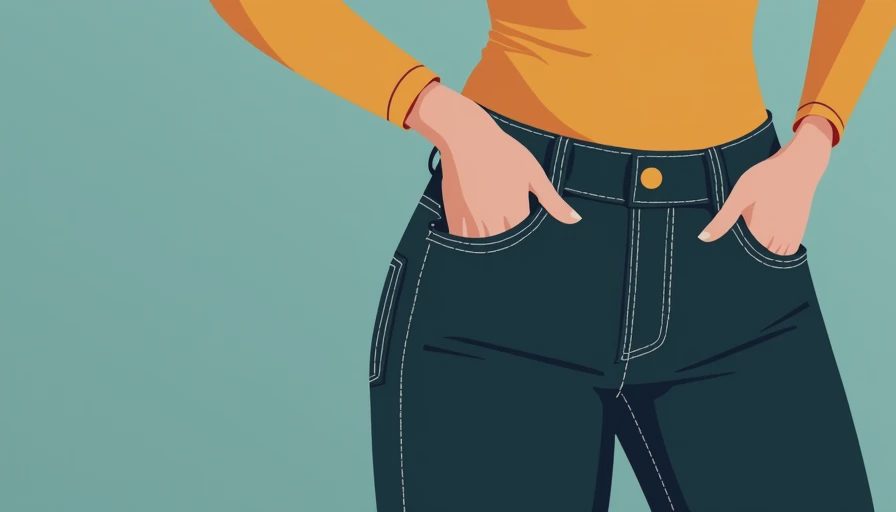
Some black work pants use cotton duck, and that is still hard to beat when abrasion matters. It is not fancy, but it shrugs off tailgates, saw horses, and kneeling on crushed rock. Cotton-poly blends dry faster and usually cost less, though they can feel slick and hold odor after a long summer shift. Stretch canvas sits in the middle and works well for a driver, mechanic, or utility hand who needs to move without fighting the fabric. If the job carries flame, arc, or melt risk, buy FR or arc-rated gear instead. I have worn pairs from Carhartt, Dickies, Wrangler, and Truewerk long enough to see the pattern: the cheaper the cloth, the faster the knees lose their shape.
Fit, pockets, and the details that save you later
The small stuff tells you more than the hanger tag. Look for bar-tacked belt loops, double stitching at the seat, and pockets that sit low enough to use but not so low that tools drag them out. A gusset helps if you spend your day kneeling, squatting, or climbing in and out of equipment. I also pay attention to hem width. Too wide and the cuff catches on mud, wire, and boot laces. Too narrow and the pant fights you all day. Good work pants should let you move without thinking about them. If you notice them every ten minutes, they are not doing their job.
When the label matters more than the look
Some jobs want dark pants for reasons that have nothing to do with style. Uniform crews, warehouse teams, aviation contractors, and municipal shops often want a dark pant because it stays readable after a week of use. If you are buying for a crew, I would rather hand out one durable model in a dark color than chase five colors with different cuts. For hot-weather work, keep an eye on ventilation and fabric weight. A dark pant in thin canvas can be fine at sunrise and miserable by 2 p.m. A darker color also hides grime, which matters when you are meeting a customer after crawling under a sink or beside a skid steer. That is where this category earns its keep.
How to spend money without wasting it
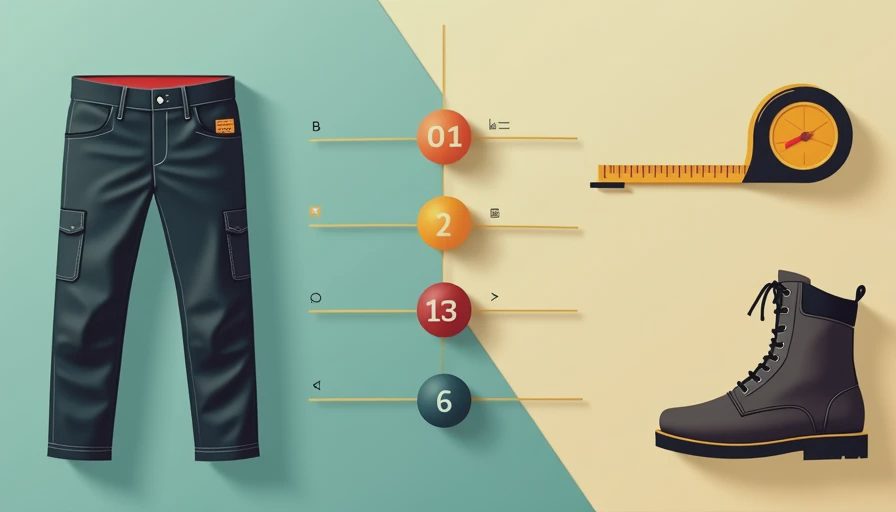
If the pant is for rough daily use, think in bands. Around $30, you are usually getting basic twill, simple pockets, and enough life for shop work or light field duty. Around $50 to $75, you start seeing better stitching, stronger belt loops, and fabric that keeps its shape after repeated wash cycles. Above $90, the sales pitch should come with something real: articulated knees, stronger stretch fabric, or a cut that works when you spend half the day in and out of a rig. I do not pay premium money for a dark pant just because the brand has a reputation. The only thing that matters is whether the knees still line up after a month and whether the seat starts shining through after a season.
Final field test before you cut the tags
Before I keep a pair, I wear them for one shift, one kneel-heavy task, and one long drive. I climb in and out of the truck, sit on a tailgate, squat to tie a saw or grab a tool, and check whether the waistband rolls or the pocket corners dig in. If the fabric twists, the hem catches on my boot, or the knees pull tight when I crouch, they are headed back. If the seam lines stay straight and the finish still looks respectable after real dirt, they move into the weekly rotation. If your black work pants make it through that test, they have earned the right to stay in the drawer. Worn in fire. Proven in dirt.