September 2018, Sawtooth Complex, hour 11. My left boot sole peeled off the welt like a banana skin. That was the last cheap pair I ever bought. Fifteen wildland seasons later, I test boots on the fire line, on trail, and eventually in the burn barrel. If a boot can't survive a full shift and some Montana mud, it doesn't make my list. These are the best work boots for men I trust enough to wear on a real shift.
What the Spec Sheet Doesn't Tell You
A work boot is a safety tool, not a fashion statement. Before I lace up, I check three things: full-grain leather thickness, welt construction, and sole depth. Full-grain leather from a tannery like Seidel or Horween handles heat and abrasion. A welted boot can be resoled when the tread dies. A cemented sole fails all at once, sometimes mid-switchback.
Sole lugs matter too. I want at least 5/16 of an inch of tread depth. That's the difference between holding firm on loose gravel and skating down a skid trail. Vibram and Christy compounds each have their place, but a too-soft sole wears out in a season, and a too-hard sole slides on wet rock.
Safety toes count, but they're not all the same. Alloy toes are lighter than steel and won't conduct cold in winter. Composite toes are non-metallic, which matters if you walk through metal detectors on the job. Check the EH or puncture ratings before you check the price. A boot that meets the right standard for your site is worth more than any brand name.
Solid work boots run from $160 to $320. Under that, the midsole goes soft. Over that, most of the extra money goes to marketing, not materials.
What Actually Lasted Three Seasons
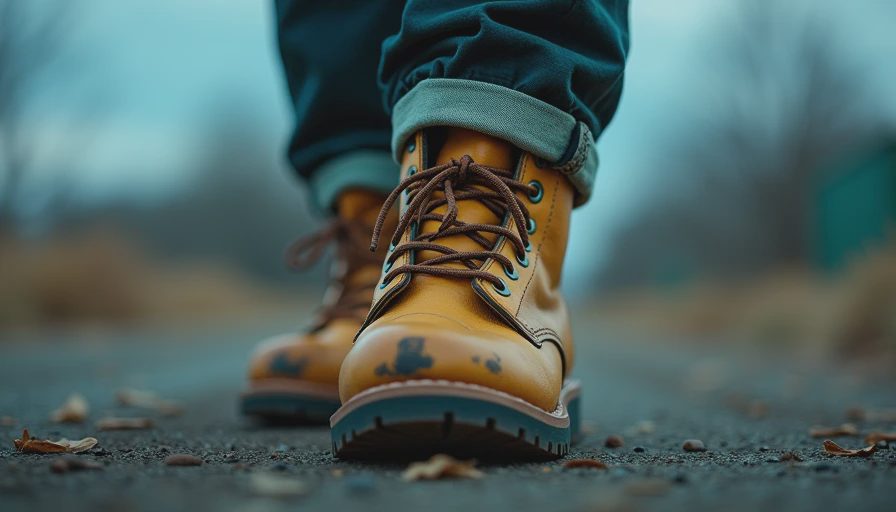
I've worn a lot of boots, so this list is short. My current rotation for the best work boots for men includes three pairs that handle the jobs I actually do.
Red Wing Supersole 2.0. This is my go-to for saw work and rough terrain. The two-layer polyurethane sole still has half its tread after two Montana seasons. The leather is thick enough that a dropped chainsaw bar didn't reach my foot. Around $240, with a resole bringing it back to life. Expect a week of break-in.
Danner Quarry USA. For wet conditions and winter work, this is the pair. The stitchdown construction and waterproof liner keep my feet dry through spring runoff and morning dew. At $260 to $290, it's not cheap, but the U.S.-built quality holds up. The ankle support is stiff, which is great on uneven ground and rough on long flat hikes.
Thorogood American Heritage 8-inch. If you want the best work boots for men at a working man's price, start here. Usually around $200 and union-made in Wisconsin, the wedge sole grips concrete and plywood. I've worn these on ranch work and flat fire camp duty. Wedge soles don't dig into mud like lugs, but all-day comfort makes up for it.
Those three cover most jobs. Slick concrete favors the Thorogoods. Steep ground favors the Red Wings. Wet camp work favors the Danners.
Also consider the last. Red Wing uses a more traditional fit with roomier toe boxes; Danner runs a touch narrow, so try a wide if you're between sizes. Thorogood's wedge sole is flatter and takes some getting used to if you spend most days in the dirt.
How to Fit a Work Boot the Right Way
This is the part everyone gets wrong. Don't buy your street shoe size. Work boots need room in the toe box so your toes aren't jammed on a downslope. Try them on at the end of the day wearing the same wool socks you'll work in.
There should be about a thumb's width between your longest toe and the end of the boot. The heel should stay snug without slipping. If the boot pinches across the ball of your foot, move up a width before moving up a length. Leather stretches in width, not length.
Break-in matters, too. Wear new boots for a few short days on light duty, not a 12-hour initial attack. Blisters are a crew killer. I've sent guys home with foot issues nobody saw coming.
How to Make Any Boot Last Longer
Knock the dirt off and pull the laces every shift, then let the boots dry away from direct heat. A wet boot next to the heater will crack the leather and delaminate the sole. Use a boot dryer or stuff them with newspaper.
Condition the leather every month or two with a wax-based product, not silicone spray. Silicone kills breathability and makes the leather brittle. Check the stitching near the toe and heel. Catch a loose stitch early and a cobbler can fix it for twenty bucks. Ignore it and you'll be buying a new pair months early.
Rotate two pairs if you can. Alternating lets each boot dry fully, and a dry boot lasts noticeably longer than a damp one. That's the cheapest way to extend the life of the best work boots for men you can buy.
The Bottom Line
You need one pair that fits, one built right, and a routine that keeps them alive. The best work boots for men right now are the Red Wing Supersole 2.0 for rough terrain, the Danner Quarry for wet work, and the Thorogood American Heritage for flat, solid ground. All three are made in the U.S. and all three survived shifts that separated lesser boots from their soles.
If you're on a crew budget, start with the Thorogood. If your work is mostly rock and brush, spend the extra on the Red Wing. Whatever you choose, break them in before fire season, not during it.
Worn in fire. Proven in dirt.