The Cold Truth About Winter Boots
When temperatures drop and you’re still putting in full shifts outdoors, your boots become critical. Too little insulation and you’re miserable. Too much and your feet sweat, then freeze when you stop moving. Finding the right balance is harder than most marketing wants you to believe.
What I Tested
I evaluated four common winter work boot options during late-season fires and winter patrols in Montana conditions ranging from 0°F to 25°F with snow and mud.
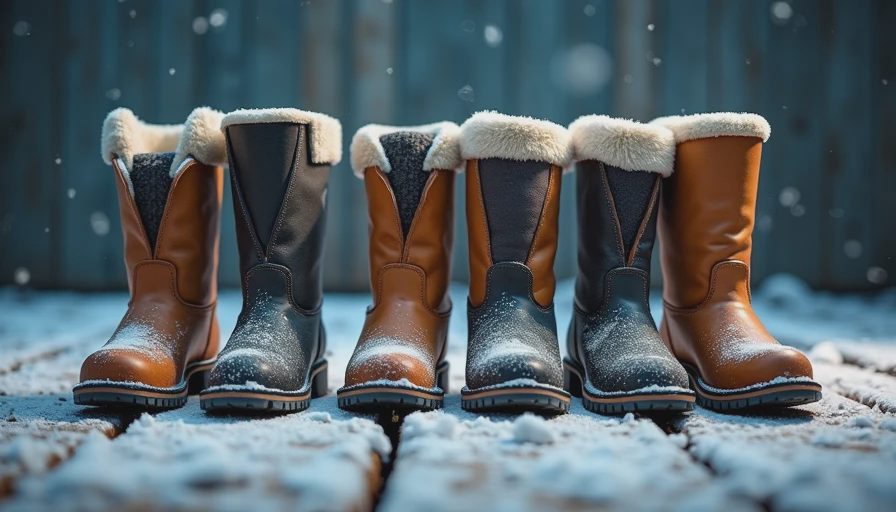
Option 1: Heavy “-100°F” Rated Pac Boot
Massive insulation, big bulky design.
Option 2: Mid-Insulation Work Boot
Moderate Thinsulate or similar, more flexible.
Option 3: Lightweight Insulated Hiker
Minimal insulation marketed as “warm enough.”
Option 4: Custom Leather Boot with Removable Liner
Traditional construction with wool liners.
What Actually Worked in the Field
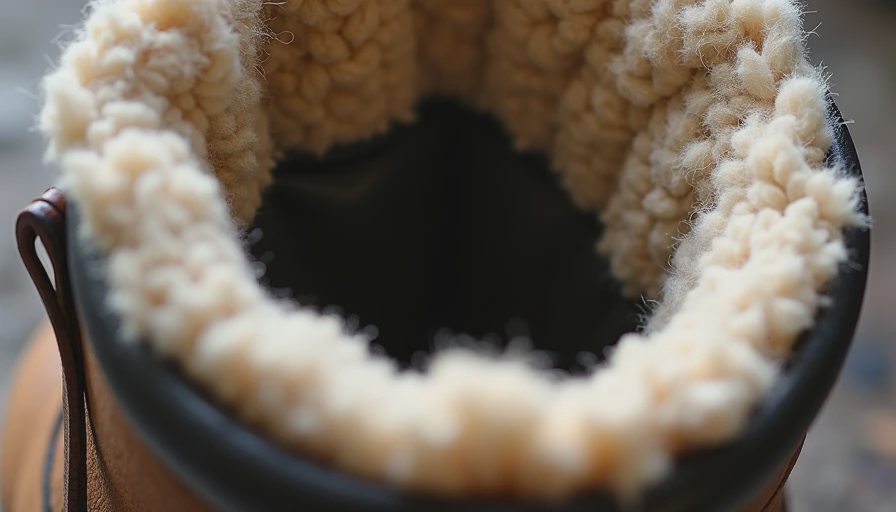
The heavy pac boots kept feet extremely warm when standing or in deep snow. However, they became dangerously hot during active work — leading to sweaty feet that froze quickly during breaks or when activity slowed. They were also heavy and clumsy for technical terrain.
The lightweight hiker failed quickly. Marketing claims didn’t match reality once temperatures dropped below 20°F. Cold toes after just a couple hours.
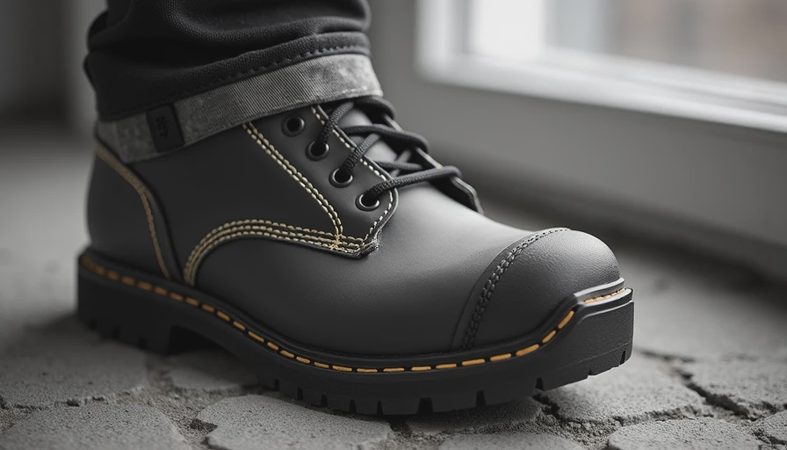
The mid-insulation and custom leather options performed best overall. They provided enough warmth without cooking your feet during movement. The removable liner system was particularly smart — you could adjust or dry liners easily.
Key Factors Beyond Insulation Rating
Breathability matters more than raw warmth numbers. Boots that trap moisture will eventually make your feet colder regardless of insulation amount.
Fit and Blood Flow are crucial. A boot that’s too tight restricts circulation and makes feet cold faster.
Sole Design and Traction affect how much you move. Better traction means more efficient movement and less time standing in one spot getting cold.
Water Resistance is non-negotiable in winter. Wet feet = cold feet, period.
My Recommended Winter Setup
For most wildland and outdoor work I recommend:
Quality leather or leather/synthetic boot with good waterproofing
Removable wool or wool-blend liners (multiple weights)
200-400g insulation depending on primary activity level
Wool socks as the foundation
This system lets you adjust to conditions. Heavy pac boots are reserved for very static cold work like snow shoveling or ice fishing.
Common Marketing Traps
Exaggerated temperature ratings (“-100°F!”) that assume you’re standing still in dry conditions.
Overemphasis on grams of insulation while ignoring breathability and weight.
Fashion-focused designs that sacrifice real performance.
Care Tips for Winter Boots
Dry them properly every night. Use boot dryers or stuff with newspaper. Condition leather regularly. Rotate pairs when possible. Replace liners when they compress and lose loft.
Final Advice
Don’t chase maximum insulation numbers. Focus on a system that keeps your feet dry, comfortable, and at the right temperature for your specific type of work. The best winter boot is the one that keeps you effective all day, not the one with the biggest marketing claims.
Take care of your feet. They carry you through every cold shift.
Worn in fire. Proven in dirt.