Why Pocket Organization Matters for Sawyers
Running a saw is physical, dangerous, and demanding. You need quick access to essential tools without fumbling, while keeping your movement free. After years of trial and error, I settled on a system that keeps me efficient and safe.
The Pants Foundation
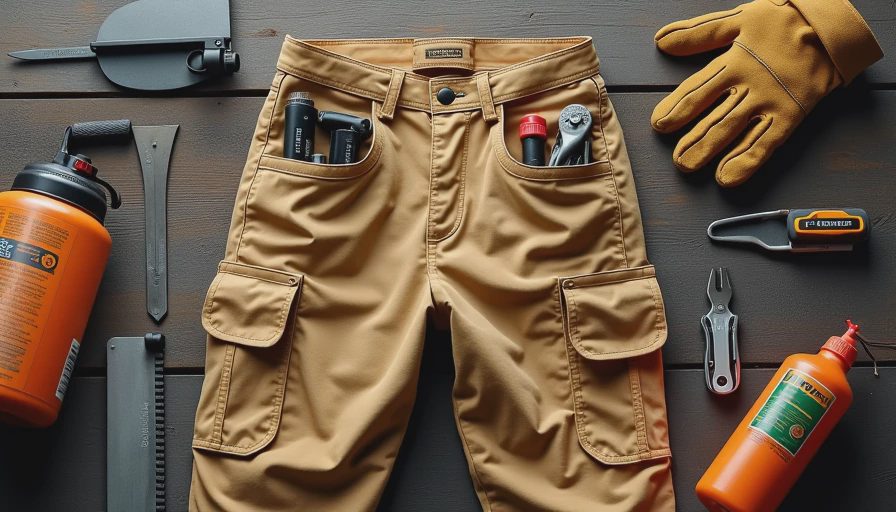
Everything starts with good work pants that have the right pockets. I prefer models with deep front pockets, secure cargo pockets, and reinforced construction. The layout needs to work with a saw chaps harness without interference.
What I Carry Every Shift
Right Front Pocket:
Folding saw wrench/multitool
Spare spark plug
Small flat file for touch-ups
Left Front Pocket:
Leather work gloves (thin pair for dexterity)
Earplugs in a small case
Right Cargo Pocket:
Fuel mixing bottle (small, secure cap)
Bar oil bottle
Extra chain loop in protective wrap
Left Cargo Pocket:
First aid basics: tourniquet, compression bandage, trauma shears (small)
Headlamp with fresh batteries
Rear Pockets:
Wallet and ID in waterproof case (left)
Radio in secure holster if not on harness (right)
Special Items on Harness or Belt:
Wedges (plastic and steel)
Keystock file
Scrench (always on a lanyard)
Safety glasses (second pair)
How I Organize for Quick Access
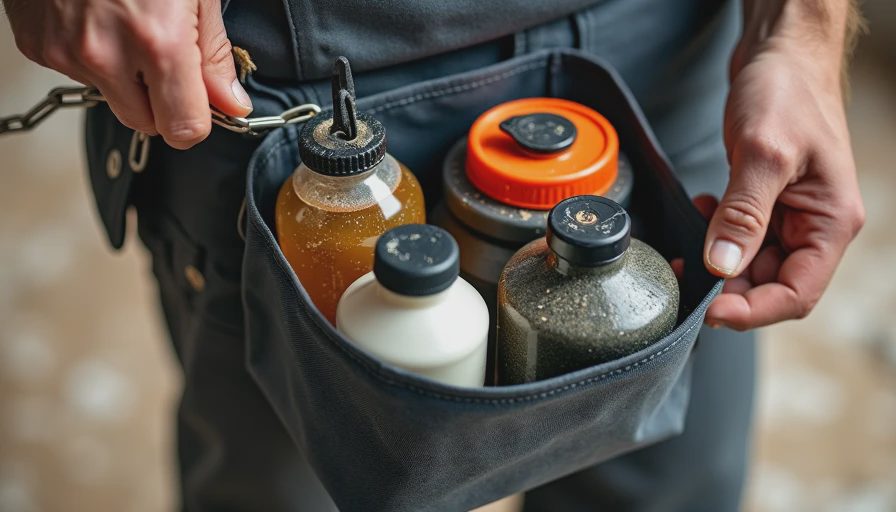
The key is consistency. I put the same items in the same pockets every single shift so muscle memory takes over. No thinking required when things get intense.
I use small carabiners and lanyards for critical items like the scrench so I don’t drop them in the brush.
Evolution of the Kit Over 15 Seasons
Early in my career I carried way too much. Over time I stripped it down to the true essentials. The goal isn’t to have everything possible — it’s to have what you need when you need it without being weighed down.
Safety Considerations
Never carry loose items that can fall into the saw. Everything should be secure. Know exactly where your first aid items are. Keep your phone on airplane mode in a secure pocket — it’s a tool, not a distraction.
Pro Tips From the Woods
Use small dry bags or ziplocks for items that need extra protection from sawdust and oil.
Rotate consumables (files, plugs, oil) at the start of every shift.
Check your kit every morning like you check your saw.
Adjust based on specific assignment — more wedges for bucking, more first aid on remote fires.
Final Thoughts on Being Prepared
A well-organized sawyer’s kit won’t make you skilled, but it lets you focus on the work instead of digging through pockets. These are the items and placement that kept me effective and safe for years.
Small details like this separate the guys who struggle from the ones who make it look easy.
Stay sharp, stay safe, and keep your pockets dialed.
Worn in fire. Proven in dirt.