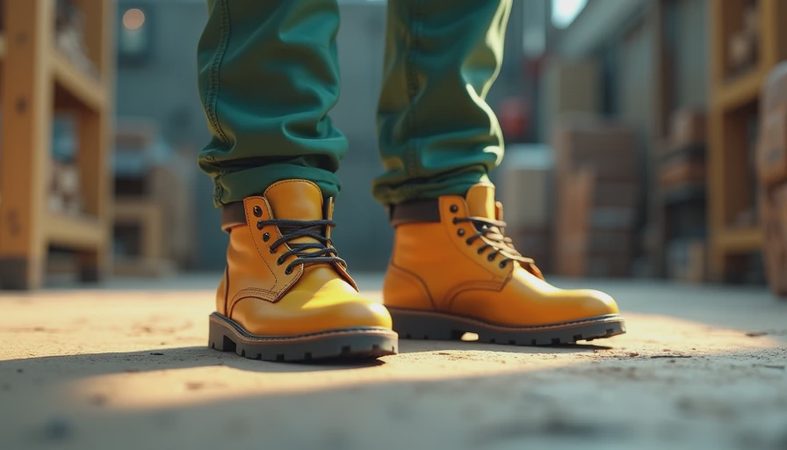
September 2018, Sawtooth Complex, hour 11. I was dragging hose through a blackened slope when the knee of my work pants caught on a snag and opened like a feed sack. That was the day I started taking overalls for men seriously. A good pair keeps your shirt tucked, carries tools without crushing your hips, and lets you kneel, climb, and crawl without exposing half your back to the weather. A bad pair is a denim trap with straps.
I have worn bibs on fireline cleanup, trail construction, fence repair, and long shop days in Montana. The useful ones do not need a clever logo. They need fabric that takes abrasion, hardware that stays put, and a cut that works when you are stepping over a log with a saw on your hip. Here is what I look for before handing over my money.
What makes overalls for men worth wearing?
Start with the fabric. Cotton duck canvas in the 10- to 12-ounce range is a strong choice for construction, ranch work, and general outdoor chores. It blocks wind better than lightweight denim and handles contact with lumber, rock, and metal edges. The tradeoff is stiffness. New duck can feel like wearing a folded tarp for the first few shifts, but it usually softens with use.
Denim remains the more comfortable option for warmer shop work and everyday wear. A 12-ounce or heavier denim bib has enough substance for kneeling and climbing without feeling like armor. Look for reinforced front pockets, bar-tacked stress points, and double-layer knees if you spend hours on concrete. Flannel-lined versions add warmth, but they can run hot when you are carrying loads or working near machinery.
The best overalls for men balance protection with movement. If the fabric is so stiff that you cannot lift a knee to a truck bed, the extra ounces are not helping. If it is thin enough to see daylight through the seat, it belongs in the garden, not on a jobsite.
Bib fit matters more than the size tag
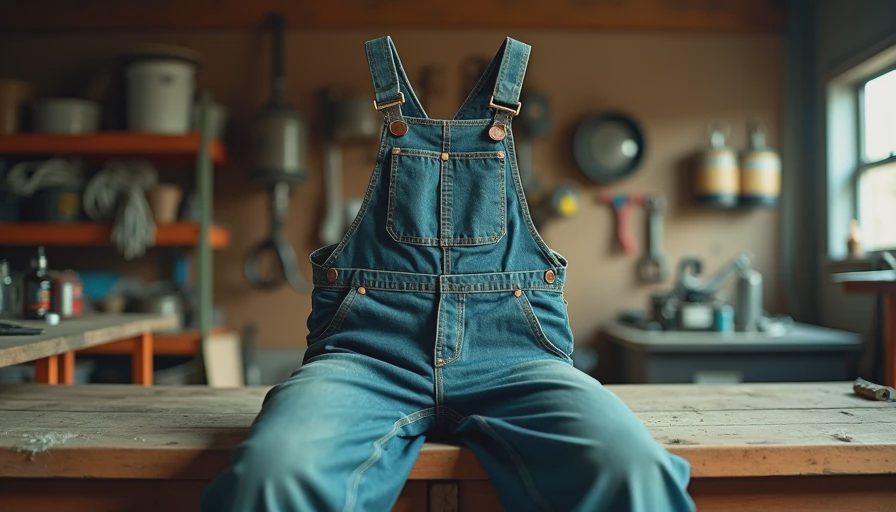
Bib overalls do not fit like jeans. Your waist measurement is only part of the problem. You also need enough rise from crotch to chest, enough room through the seat, and straps that adjust without digging into your shoulders. I prefer a relaxed seat and a straight leg that clears a work boot. A tapered leg looks tidy but catches on boots and limits layering.
Before buying overalls for men, measure over the base layer you will actually wear. For winter work, that might mean a thermal shirt and a sweatshirt. Sit in a chair, squat, raise one knee, and reach overhead. The bib should stay flat against your chest without pulling at the crotch. When you bend, the straps should not become suspension cables.
Pay attention to the buckle design. Metal hardware is usually easier to repair than plastic, especially after exposure to cold, mud, and repeated washing. However, a sharp metal edge can catch a seat belt or scrape a truck interior. Adjustable elastic suspenders offer comfort, while fixed straps usually hold a more stable fit. Neither matters if the button attachment tears out after a month.
Pockets should serve the work
Pocket count is not a quality test. Pocket placement is. A large bib pocket is useful for a carpenter pencil, small notebook, utility knife, or phone, but it should close securely when you climb. Tool loops need to sit where your hand naturally falls. A hammer loop placed too far back becomes a nuisance every time you sit in a truck.
For trail work, I want deep front pockets that do not spill when kneeling, plus a dedicated phone pocket protected from the sharp contents of a tool pouch. Side utility pockets are useful until they snag brush. If you work around rotating equipment, loose loops and dangling straps deserve more caution than another marketing feature.
Some overalls for men include zippered chest pockets, stretch panels, and hidden compartments. Those additions can be useful, but they also add failure points. I would take a plain bib with heavy stitching over a complicated design with thin pocket fabric. Turn the garment inside out before buying. The seam work tells you more than the product photo.
Brands and price points I would consider
Carhartt duck bibs are common for a reason: they are easy to find, available in several cuts, and generally suited to hard shop and construction use. Their traditional fits work better for layering than their slimmer options. Dickies offers lower-cost bibs that can make sense for occasional work, especially when you need a second pair for painting, gardening, or vehicle maintenance. Expect lighter construction on some models.
Round House makes American-made bibs with a traditional workwear cut and substantial fabric. They are not the choice for someone seeking a fitted silhouette, but they give tall, active workers room to move. Liberty bibs often provide a practical middle ground, with familiar work features and prices commonly below premium heritage brands. Duluth Trading has bib options with useful pockets and comfort-focused details, though the fit is worth testing because generous cuts can feel bulky in a truck cab.
Most reliable pairs land somewhere around $50 to $150. Paying $200 or more can buy heavier fabric, better hardware, or domestic construction, but it does not automatically buy better movement. Read the material tag, inspect the stitching, and spend based on the work ahead rather than the patch on the pocket.
How to break in and maintain a pair
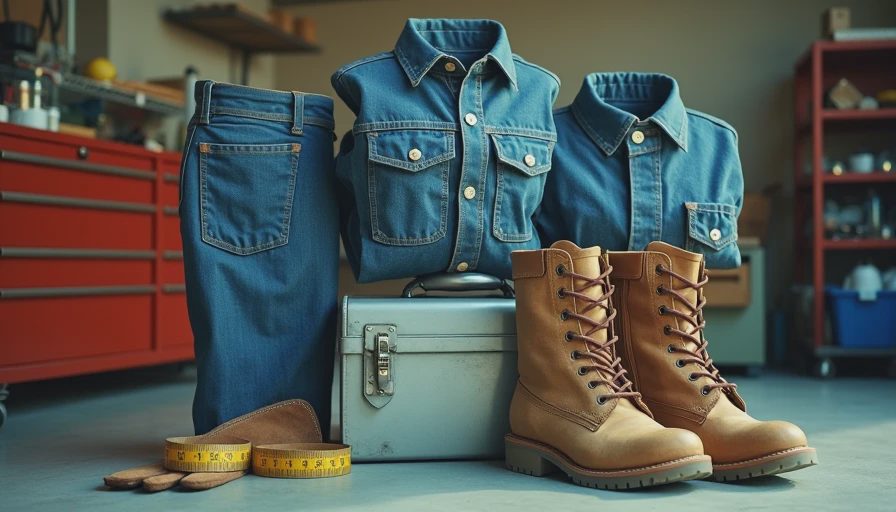
Do not wash stiff canvas in hot water and then throw it in a high-heat dryer unless you enjoy gambling with the fit. Follow the care label, use cold or warm water, and hang dry when practical. A first wash removes factory sizing and lets you see where the fabric actually flexes. It also exposes weak stitching before the garment is carrying a full tool load.
For the first week, wear the bibs on shorter jobs. Walk stairs, kneel on gravel, climb into your truck, and check for pressure points. If the straps loosen every hour, the buckle or adjustment system is not doing its job. If the crotch pulls when you climb, exchange the pair before the fabric gets permanently stressed.
Repair small failures early. A loose button can become a lost strap. A torn pocket corner can become a pocket on the ground. Keep a needle, heavy thread, and a few spare buttons in the shop. For larger tears, a workwear repair shop can add a patch from the inside and preserve more mobility than a thick external patch.
My field checklist and final rating
When I inspect overalls for men, I run the same short checklist. First, confirm the fabric weight and fiber content. Second, test the stride, squat, and overhead reach. Third, load every pocket with the tools you normally carry. Fourth, inspect bar tacks, buttons, buckles, and the crotch seam. Finally, sit in the driver's seat and make sure the bib does not press into your throat or bunch under the belt.
For daily construction, ranch work, and rough property maintenance, heavy duck earns a Battle-Tested rating when the fit is right. For shop work, travel, and mixed-season use, midweight denim is usually Serviceable and more comfortable. Lined bibs work well in cold weather, but they are too warm for hard uphill labor. Flame-resistant garments are a separate category; standard cotton bibs are not a substitute for certified protective clothing around recognized flash-fire or arc hazards.
The barrel does not lie, but neither does a week of kneeling, climbing, and carrying tools. Good overalls for men disappear into the work: no exposed back, no torn pocket, no strap cutting your shoulder. Buy the pair that matches your actual shift, not the one that looks toughest on a hanger. Fire Line Scale: Battle-Tested when the fabric, fit, and stitching all hold together. Worn in fire. Proven in dirt.