September 2018, Sawtooth Complex, hour eleven. I was crawling through a blackened patch under a snag, and the knees of my work pants were already shiny from melted resin and grit. That was when I started paying closer attention to coveralls for men. A good pair is not just a shirt and pants sewn together. It is a work system that keeps dirt out, protects your base layers, and saves time when the day turns rough.
I have worn coveralls through fire camp, trail work, fence repairs, and long shifts beside equipment. Some held up for years. Others split at the seat before lunch. The difference usually comes down to fabric, pattern, closures, and whether the pockets were designed by someone who has actually worked with a hammer in one hand and a radio in the other.
What to Look For Before You Buy
Start with the fabric. For general shop and construction work, a cotton duck or cotton canvas fabric around 8 to 12 ounces gives useful abrasion resistance without feeling like a tarp. Heavier 12-ounce canvas is better for crawling around machinery or handling rough lumber, but it gets hot in July. Cotton-polyester blends dry faster and resist wrinkles, though they can be the wrong choice around open flame or high radiant heat. Never assume a workwear label means flame resistance. If your job requires FR clothing, buy garments certified for that hazard and follow the workplace standard.
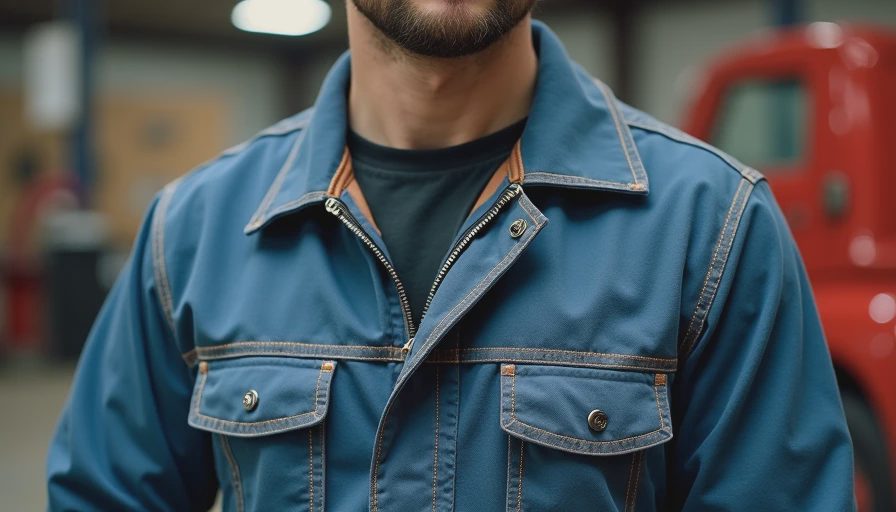
The fit needs room through the shoulders, seat, and thighs. You should be able to climb into a truck, squat, and reach overhead without the crotch pulling tight. Adjustable waist tabs help, but they cannot repair a bad pattern. Look for a two-way front zipper or sturdy snap front, reinforced stress points, and enough sleeve length to cover your wrists when you reach forward. A gusseted crotch is worth paying for if you spend hours kneeling or stepping over obstacles.
Pockets should serve the work. I want a deep chest pocket for a notebook, secure hip pockets that do not dump screws when I sit, and a tool pocket that keeps a carpenter pencil upright. Hammer loops are useful, but oversized loops can catch on brush and vehicle doors. A ruler pocket and phone compartment are welcome additions, provided they do not turn the garment into a stiff, noisy shell.
Coveralls for Men: Fit, Layering, and Sizing
Sizing is where many coveralls for men fail before the first wash. Measure your chest, waist, inseam, and sleeve length while wearing the base layer you normally use at work. If you will wear a sweatshirt underneath, measure with it on. Do not simply order your usual jeans size. Coveralls sit higher on the torso, and a short back rise can make every movement uncomfortable.
Try three movements before removing the tags: raise both arms, squat fully, and sit in a truck seat. If the shoulders bind, size up or find another pattern. If the legs stack heavily over your boots, check whether the brand offers a short inseam. A little extra room is useful; excessive room becomes a snag hazard and lets cold air pump through the back when you walk.
For spring and fall, I prefer midweight coveralls over a merino or synthetic base layer. In winter, buy enough room for a fleece or insulated vest, but do not count on thin coveralls to replace a proper shell. In summer, short-sleeve versions and lighter blends breathe better, although they give up some protection against brush and sparks. Wash according to the care label, and avoid fabric softener on workwear intended to resist moisture or retain wicking performance.
Coveralls for Men on the Fire Line and Jobsite
Not every pair of coveralls for men belongs near fire. Standard cotton can ignite, and synthetic fibers can melt when exposed to heat. For welding, utility work, prescribed burning, or other recognized flame hazards, use an appropriate flame-resistant garment with the correct hazard rating. FR clothing is not magic armor; damaged fabric, open cuffs, and a soaked or contaminated garment can still create serious risk.
For ordinary trail maintenance, ranch work, and mechanical jobs away from flame, cotton duck remains a practical choice. I have had good results from sturdy brands such as Carhartt, Dickies, and Round House, but their cuts differ. Carhartt often feels roomier through the body, Dickies tends to offer a cleaner workwear fit, and Round House has traditional bib and coverall patterns that favor durability over polish. Check the actual fabric weight and construction instead of buying from the logo alone.
A field garment also needs to handle weather. A durable water-repellent finish can shed light drizzle, but it will not replace rain gear during a full storm. Coveralls with a full-length zipper are easier to vent than button fronts, and ankle openings should fit over your work boots without dragging through mud. If you work around fuel, grease, or herbicide, follow the contamination and laundering instructions for that substance.
Three Practical Buying Setups
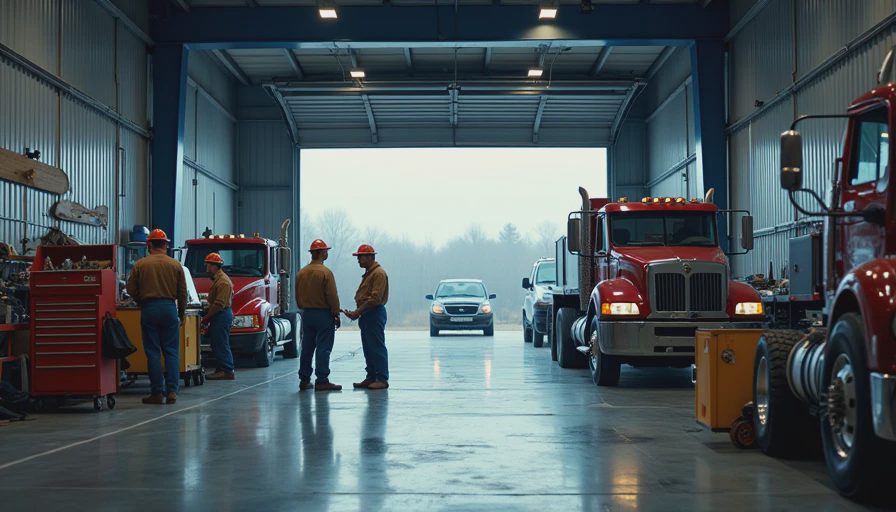
For a mechanic or shop worker, choose midweight cotton duck with a two-way zipper, zippered chest pockets, and reinforced knees. Expect to spend roughly $60 to $110. That setup balances movement, storage, and abrasion resistance without buying features you will never use.
For a construction or fencing crew, choose heavier canvas, a roomy seat, and double-layer knees that accept pads if possible. A price range of $80 to $150 is reasonable when the stitching and hardware are sound. Inspect the pocket corners and belt area first because those spots take repeated stress.
For outdoor utility work, survey crews, and trail workers, lighter cotton-polyester fabric can make sense when heat and sweat are bigger problems than abrasion. Look for articulated sleeves, breathable panels, and a cut that works over a base layer. Spend around $50 to $120, then keep a separate rain shell in the truck.
The best coveralls for men are the ones that match the hazard and the motion of your job. A ranch hand crawling under a gate needs a different garment from a welder standing at a bench. More pockets do not automatically mean more usefulness, and thicker fabric is not always safer or more comfortable.
How I Test Workwear
I give new gear at least three real shifts before forming an opinion. The first shift checks fit and hot spots. The second checks the pocket layout, zipper operation, and how the fabric handles kneeling, climbing, and truck seats. The third is where weak stitching starts telling on itself. I inspect the inseam, cuffs, pocket corners, and shoulder seams after washing.
The burn barrel is not a substitute for a safety standard, but it does expose dishonest construction. A loose thread, plastic zipper pull, or synthetic panel that shrivels near heat tells me to keep the garment away from fire work. For standard utility clothing, I care more about seam strength, repairability, and whether the fabric becomes comfortable without falling apart.
A good pair should show wear, not surrender to it. Small abrasions are normal. A blown crotch seam, broken zipper, or pocket that tears away under a tape measure is a field failure. I would rather mend a knee than replace an entire garment after one season.
The Bottom Line
Buy coveralls for men by job, climate, and movement first. Choose cotton or canvas for general abrasion, certified FR clothing for recognized heat hazards, and lighter blends when summer ventilation matters most. Measure with your working layers, test the squat and reach before removing tags, and inspect the details that take stress rather than admiring the label.
My Fire Line Scale verdict is simple: well-cut, repairable coveralls with honest fabric are Battle-Tested equipment. Thin fashion workwear is merely Acceptable until the first hard shift. Spend where the seams, zipper, and fit deserve it, then wear the garment hard enough to learn its limits. Worn in fire. Proven in dirt.